How to Clean Wood Doors Without Damaging the Finish?
Wood doors add warmth and elegance to a home, but they are also sensitive architectural features that require specific care. Unlike metal or fiberglass doors, wood is a porous material that reacts to moisture, humidity, and harsh chemicals. If you’ve noticed fingerprints around the handles or a layer of dust on the decorative panels, it’s time for a clean—but doing it wrong can lead to permanent damage.
Quick Answer: Use Gentle Cleaners and Avoid Excess Moisture
The golden rule for cleaning wood doors is to use the least amount of liquid possible. A soft, barely damp microfiber cloth paired with a mild, pH-neutral soap is the safest way to remove grime without stripping the protective finish or warping the wood.
Why wood is sensitive
Wood “breathes.” Even when sealed with polyurethane or varnish, excessive water can seep into small cracks or joints, causing the wood to swell, the finish to cloud (blush), or mold to develop. Additionally, the wrong chemicals can dissolve the oils and resins that keep the wood supple and beautiful.
What to avoid immediately
- Saturating the wood: Never spray water or cleaner directly onto the door.
- Steam cleaners: The high heat and moisture can delaminate the wood and destroy the seal.
- Abrasive pads: Steel wool or green scouring pads will create microscopic scratches that dull the shine.
What You Need to Clean Wood Doors
You don’t need industrial-strength degreasers for interior doors. Most U.S. professionals recommend these simple supplies:
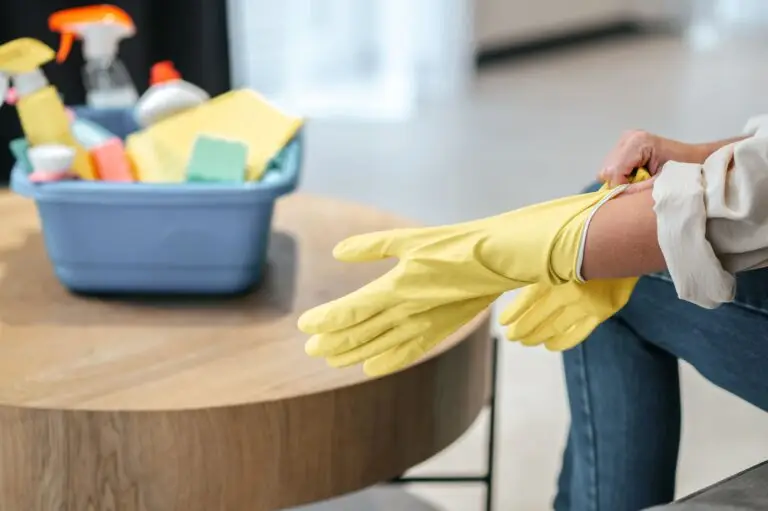
- Microfiber cloths: These are soft enough to prevent scratches while effectively trapping dust and oils.
- Mild soap solution: A few drops of grease-cutting dish soap (like Dawn) in a gallon of warm water is the safest choice for painted or sealed wood.
- Wood-safe cleaner: For high-end stained wood, a specialized product like Murphy’s Oil Soap is excellent for maintaining the wood’s natural luster.
Step-by-Step: How to Clean Wood Doors
Dust the surface first
Always start with a dry microfiber cloth or a vacuum with a soft brush attachment. Removing the loose dust first prevents you from accidentally rubbing grit into the finish once you introduce moisture. Pay close attention to the molding and recessed panels where dust settles.
Wipe with a damp cloth (not wet)
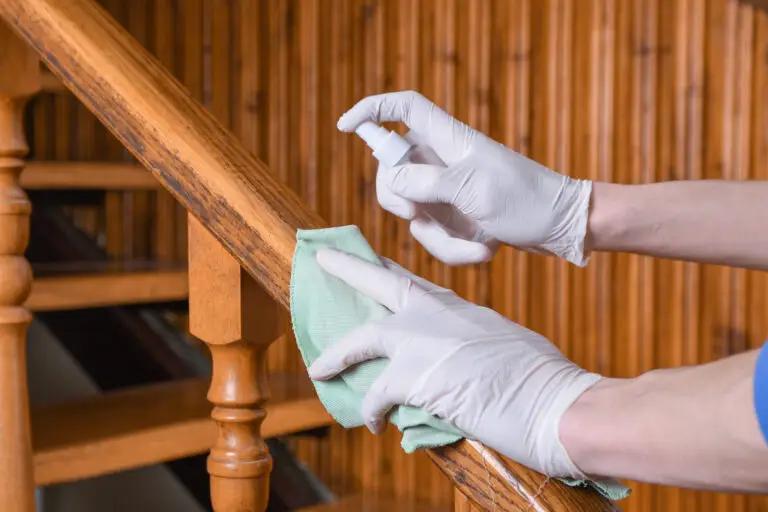
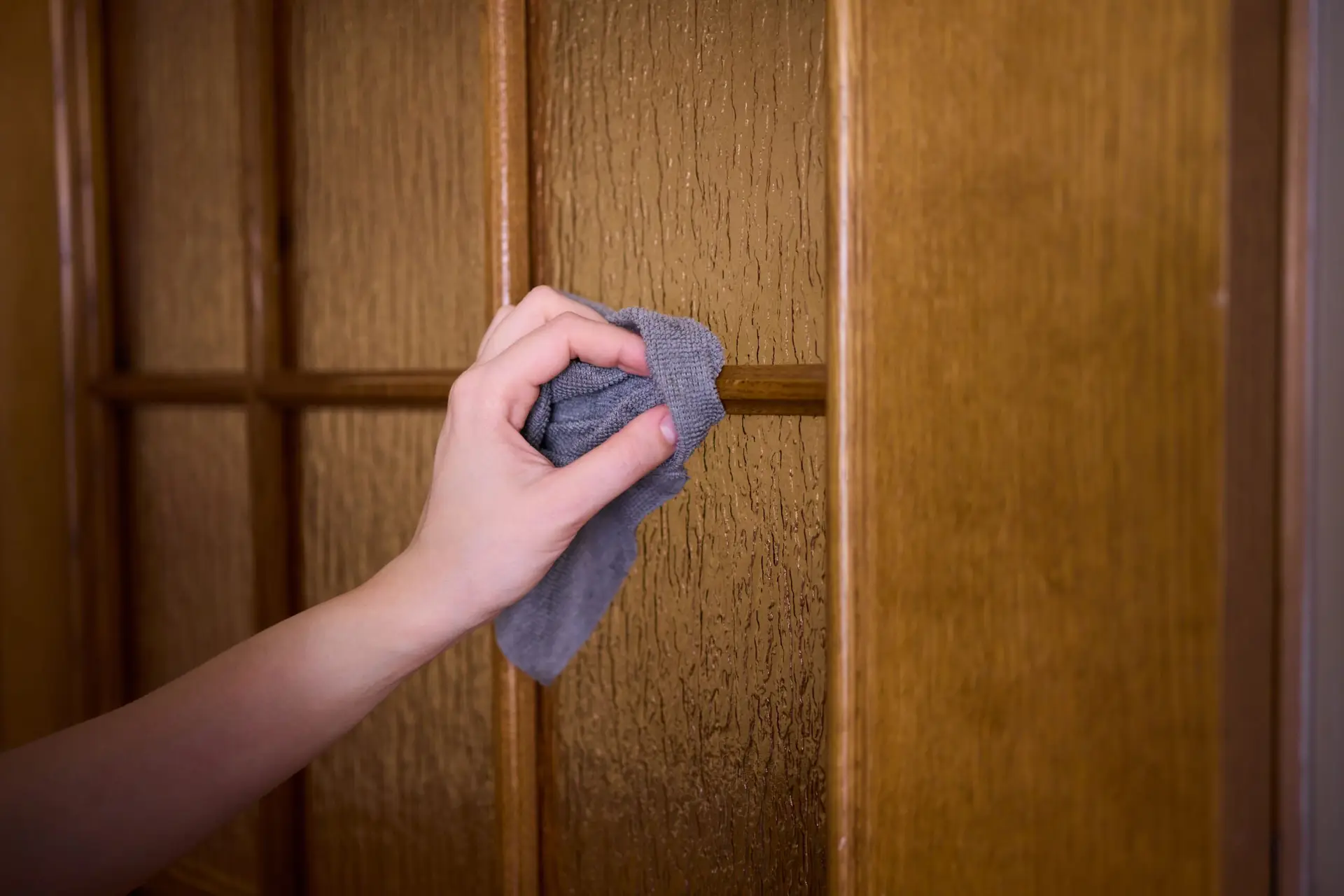
Dip your cloth into the soapy water and wring it out until it feels nearly dry. Wipe the door in the direction of the wood grain. This prevents streaking and ensures the cleaner gets into the natural texture of the wood.
Spot clean stains and fingerprints
Focus on the areas around the doorknobs and the edges of the door where hands frequently touch. If a smudge is stubborn, apply a tiny bit more pressure, but avoid aggressive scrubbing.
Dry immediately to prevent damage
This is the most critical step. Use a second, completely dry microfiber cloth to buff the door immediately after wiping it down. Leaving even a small amount of moisture to air-dry can leave water spots or damage the finish.
How to Remove Grease and Hand Marks From Wood Doors
High-touch areas (handles, edges)
Human hands carry natural oils that, over time, can “soften” the finish on wood doors, making them feel sticky. These areas need regular attention to prevent long-term degradation.
Safe degreasing methods
If a simple soap solution isn’t cutting through the grease, you can use a 1:1 mixture of water and mineral spirits on a cloth for sealed wood only. Always test a small, inconspicuous area (like the very top edge of the door) first to ensure it doesn’t react with the finish.
How to Protect and Maintain Wood Doors
Polishing tips
After cleaning, you can apply a high-quality furniture polish or wood conditioner containing beeswax or carnauba wax. This adds a protective layer that repels dust and moisture. Avoid “all-in-one” sprays that contain silicone, as they can build up and make future refinishing difficult.
Frequency of cleaning
- Dusting: Every 2 weeks.
- Detailed Wipe-down: Every 3 to 6 months, or as needed for high-traffic areas like mudrooms and kitchens.
Common Mistakes When Cleaning Wood Doors
- Too much water: As mentioned, water is the #1 enemy of wood. A “sopping wet” rag is a recipe for a warped door.
- Harsh chemicals: Bleach, ammonia, and undiluted vinegar are far too acidic or alkaline for most wood finishes and will cause the wood to look “thirsty” or chalky.
- Abrasive scrubbing: Scrubbing too hard on a single spot can create a “shiny” or “dull” patch that stands out against the rest of the door.
FAQ: Cleaning Wood Doors
Can you use vinegar on wood doors?
We do not recommend it. While vinegar is a great natural cleaner for many surfaces, its acidity can eat through the protective wax or finish on wood over time, leaving it vulnerable to moisture.
How often should you clean wood doors?
For most U.S. households, a quick dusting twice a month and a deep damp-clean twice a year is sufficient to keep them looking pristine.
What removes sticky residue from wood?
For sticky tape residue or hardened grime, a small amount of vegetable oil or a wood-safe citrus cleaner on a soft cloth usually dissolves the adhesive without damaging the underlying finish.
Need Help With Detailed Home Cleaning?
Doors, baseboards, and trim are the “fine details” that truly make a home feel professionally cleaned. If your to-do list is growing and your wood surfaces need a specialized touch, Harmony Cleaning is here to help. Our professional team understands the nuances of home materials, ensuring every surface is cleaned with the respect and expertise it deserves.
Click Here to Request Your Free Cleaning Quote from Harmony Cleaning Today!