How to Clean Oven Shelves? A Professional Restoration Guide
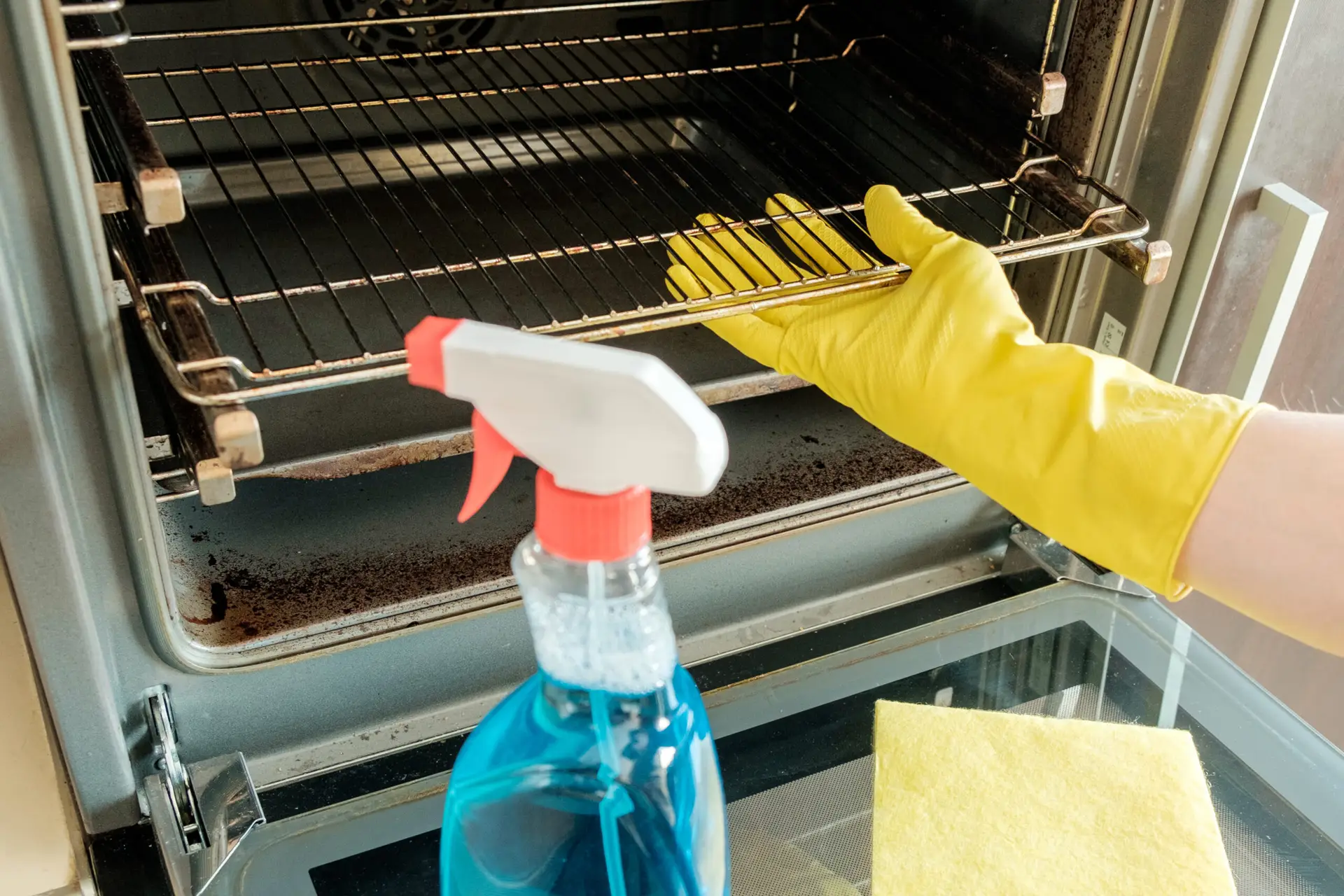
Oven shelves (or racks) are notoriously difficult to clean. Because they are exposed to high heat for long periods, grease and food spills become “baked-on,” turning into a hard, black crust. Standard wiping during a regular kitchen clean won’t touch this residue. To get them back to their original chrome-like shine, you need a strategy that involves “soaking” rather than just scrubbing.
Quick Answer: Soak and Scrub Using Baking Soda or Degreaser
The most effective way to clean oven shelves is to soak them in hot, soapy water for several hours (or overnight). This softens the carbonized grease, allowing it to be easily wiped away with a non-scratch scouring pad. For extreme buildup, a baking soda paste or a heavy-duty degreaser is the gold standard in U.S. home care.
Why Oven Shelves Get So Dirty
Grease Buildup
Even if you don’t spill food directly on the racks, roasting meats releases aerosolized fat that settles on the metal. Over time, this thin film layers up and hardens.
Burnt Food Residue
Sugar and proteins from pies or roasts that drip onto the bars become “carbonized” at high temperatures (typically 350°F–425°F), creating a bond with the metal that is incredibly strong.
Best Methods to Clean Oven Shelves
The Bathtub Soak Method (U.S. Household Classic)
- Line your bathtub with old towels (to prevent scratching the tub).
- Place the racks on the towels and fill the tub with very hot water.
- Dissolve half a cup of dishwasher detergent (powder or pods) in the water.
- Let them soak for 6–12 hours. The grime will literally slide off.
Baking Soda Paste
For those who prefer a non-toxic approach:
- Mix 3 parts baking soda with 1 part water to create a thick paste.
- Coat the racks and let them sit for at least 4 hours.
- Spray with a little white vinegar to create a foaming action that lifts the grease before scrubbing.
Dish Soap + Hot Water
For lightly soiled racks, a simple soak in a deep sink with a high-concentrate degreasing soap (like Dawn) is often enough to break the surface tension of the grease.
Step-by-Step Cleaning Process
- Remove and Dust: Take the cold racks out of the oven and shake off any loose crumbs.
- The Soak: Use one of the methods above. Patience is key—the longer they soak, the less you have to scrub.
- The Scrub: Use a non-scratch sponge or a stiff-bristled brush. For tight corners where the bars meet, an old toothbrush works perfectly.
- Rinse and Dry: Rinse thoroughly with warm water to remove all soap residue. Dry them completely with a towel before sliding them back into the oven to prevent rusting.
What NOT to Use
- Steel Wool on Coated Racks: If your racks have a dark, non-stick coating, steel wool will strip it off, causing the racks to rust quickly.
- The Self-Clean Cycle: Warning: Never leave chrome or stainless steel racks inside the oven during a self-clean cycle. The extreme heat (900°F+) can warp the metal and strip the “sliding” finish, making them hard to pull in and out.
- Harsh Abrasive Powders: These can create micro-scratches that actually trap more grease in the future.
How to Keep Oven Shelves Clean Longer
- Use Baking Sheets: Always place a larger sheet on the rack below a pie or a roast to catch drips.
- The “Quick Wipe”: Once the oven has cooled slightly after use, wipe the racks with a damp cloth to remove fresh grease before it has a chance to bake on.
- Oven Liners: Consider using a BPA-free, heat-resistant oven liner at the very bottom of the oven (check your oven manual first) to catch spills.
FAQ: Oven Rack Maintenance
How do I make my oven racks slide easier?
After cleaning, put a drop of vegetable oil on a paper towel and rub it along the side rails where the rack touches the oven walls. This restores the “glide” lost during deep cleaning.
Can I use ammonia to clean oven shelves?
Yes, some homeowners place racks in a heavy-duty trash bag with a cup of ammonia and leave it outside overnight. The fumes dissolve the grease. Safety Note: This must be done in a well-ventilated outdoor area with gloves and eye protection.
How often should I clean my oven shelves?
A deep soak should be done every 3 to 6 months, depending on how often you roast or bake.
Need Professional Help in the Kitchen?
At Harmony Cleaning, we know that deep-cleaning a kitchen is a grueling task. As part of our professional deep-cleaning services, we can help tackle the tough spots—like the oven area and cabinetry—ensuring your kitchen is sanitized, grease-free, and ready for your next culinary masterpiece.
- Specialized Degreasing: We use products that work fast without damaging your appliances.
- Attention to Detail: We don’t just clean the floor; we clean the “hidden” grime.
- Time-Saving Service: Let us handle the heavy soaking and scrubbing.
Would you like Harmony Cleaning to include a professional oven and rack detailing in your next deep cleaning service?