Best Way to Clean Baseboards for Dust, Grime, and Scuffs
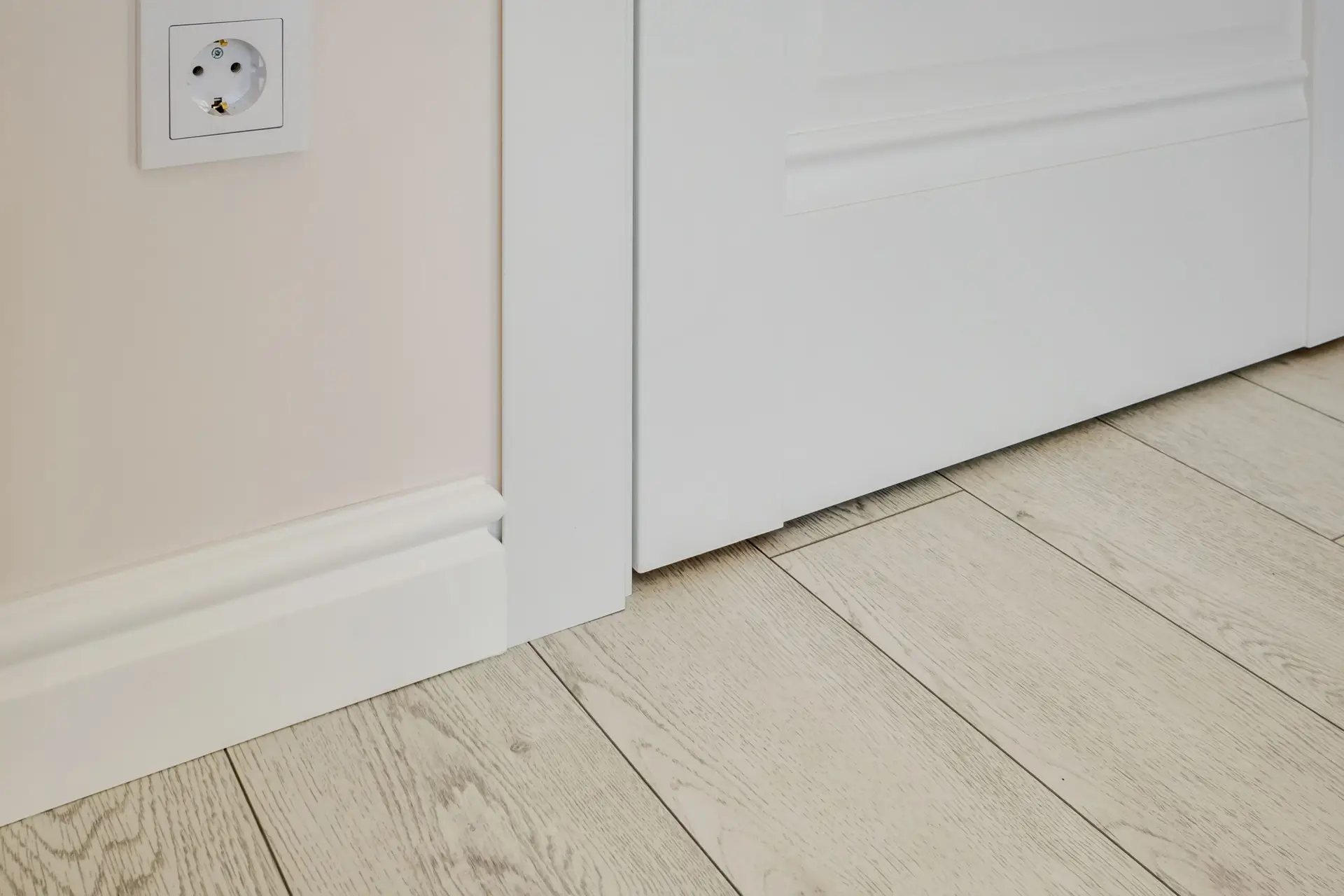
Baseboards are the unsung heroes of your home’s interior design, providing a finished look to every room. However, because they sit at the intersection of the wall and the floor, they are magnets for every piece of floating dust, pet hair, and shoe scuff in the house. If you haven’t cleaned them in a while, they can quickly turn a beautiful room into one that looks neglected.
Quick Answer: The Best Method Is Dry Dusting First, Then Gentle Damp Cleaning
The most effective way to clean baseboards is a two-stage process: remove the dry debris first, then treat the grime with moisture. This prevents the common mistake of turning dry dust into a muddy, grey sludge that gets trapped in the wood grain or paint texture.
Why this method works better than spraying first
If you spray a cleaning solution directly onto a dusty baseboard, the liquid binds the dust particles together. This makes it much harder to wipe away and often leaves streaks behind. By vacuuming or dry-dusting first, you remove 90% of the allergens, leaving only the stubborn grime and scuffs for the damp cloth to handle.
Why baseboards collect grime so quickly
Gravity is the main culprit, but static electricity also plays a role. In many U.S. homes, the friction from walking on carpets or the airflow from HVAC vents creates a static charge on the trim that literally pulls dust out of the air. Additionally, floor-level moisture from mopping or humidity can make that dust “stick,” turning it into a layer of grime over time.
Best Tools for Cleaning Baseboards
Professional cleaners use a specific toolkit to ensure the trim looks brand new without damaging the delicate paint or wood finish.
- Microfiber cloths: These are the gold standard. They have millions of tiny fibers that grab and hold onto dust rather than just pushing it around like a paper towel.
- Soft-bristle brushes: An old toothbrush or a clean paintbrush is the secret weapon for getting into the “cove” or “bead” (the decorative grooves) of the baseboard where flat cloths can’t reach.
- Mild cleaning solution: You don’t need harsh chemicals. A few drops of grease-cutting dish soap in a bucket of warm water is safe and effective for almost any finish.
Best Way to Clean Baseboards Step by Step
Dust top edges and corners
Use your vacuum’s brush attachment or a dry microfiber cloth to go along the top ledge of the baseboard. This is where the thickest layer of dust sits. Don’t forget the corners where the trim meets the door frame!
Wipe down buildup
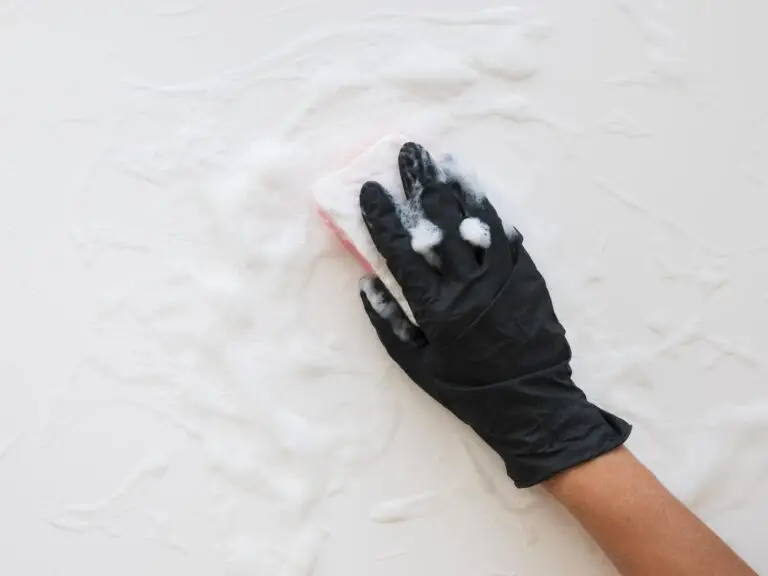
Dip your cloth into your soapy water, wring it out until it is barely damp, and wipe the face of the board. If the grime is thick, you may need to rinse the cloth frequently to avoid spreading the dirt.
Spot-treat marks carefully
For black scuff marks from shoes or vacuum cleaners, apply a tiny bit of extra pressure. If the mark is stubborn, a baking soda paste (three parts baking soda to one part water) can act as a gentle abrasive.
Dry the trim to prevent streaking
Use a fresh, dry microfiber cloth to buff the baseboard immediately after wiping it. This removes any leftover moisture and leaves a streak-free, polished shine.
Best Method for Different Types of Baseboards
Painted trim
Most American homes use a semi-gloss or gloss white paint on trim because it’s easier to clean. You can be a bit more assertive with your scrubbing here, but avoid “Magic Erasers” on dark or matte paints, as they can buff away the pigment and leave a shiny spot.
Wood baseboards
Stained wood is porous and sensitive to water. Use a dedicated wood soap (like Murphy’s Oil Soap) and ensure the cloth is squeezed as dry as possible. Always wipe in the direction of the wood grain to preserve the aesthetic.
Baseboards with heavy scuffs
For high-traffic areas like mudrooms or hallways, scuffs are inevitable. A “Tennis Ball” trick—rubbing a clean tennis ball over the scuff—often lifts the rubber mark without needing any liquid at all.
Cleaning Baseboards Without Bending Too Much
Cleaning trim is physically demanding. If you have mobility concerns or simply want to save your back, there are modern solutions.
Tools with handles
Baseboard mops or “swivel” dusters with extendable handles allow you to clean the top ledge while standing. While these aren’t as effective for deep-cleaning scuffs, they are excellent for weekly maintenance.
When to outsource detailed trim cleaning
Detailed trim work is one of the most time-consuming parts of a professional deep clean. If your home has hundreds of linear feet of baseboards, it can take an entire afternoon to do them correctly. Hiring a professional team ensures every inch is detailed while you spend your time elsewhere.
FAQ: Best Way to Clean Baseboards
What is the fastest way to clean baseboards?
The fastest way is to use the brush attachment on your vacuum cleaner once a week. This prevents the “sticky” grime from forming in the first place.
Should I vacuum or wipe baseboards first?
Always vacuum first. Wiping a dusty baseboard with a wet cloth creates a mess that takes twice as long to clean.
What removes black scuff marks from trim?
A damp microfiber cloth with a drop of dish soap usually works. For tougher marks, a melamine sponge (like a Magic Eraser) works well on white paint, but use it gently.
Is soap and water safe for painted baseboards?
Yes, mild dish soap and warm water are the safest and most effective combination for almost all painted and sealed wood baseboards in the U.S.
Need a Deep Cleaning for Forgotten Details?
Do your baseboards still look grey even after a quick wipe? Or perhaps you simply don’t have the time to scrub every inch of trim in your home. Harmony Cleaning specializes in the details that most people overlook. Our deep cleaning service includes a hand-wipe of all baseboards, ensuring your home feels truly fresh and revitalized.
Click Here to Get Your Free Personalized Cleaning Quote from Harmony Cleaning!