What to Wash Walls With Without Damaging the Paint? A Professional Guide
Walls are often the most overlooked part of a home cleaning routine, yet they collect dust, fingerprints, and cooking grease every day. However, grabbing a harsh chemical cleaner can lead to “flashing” (shiny spots on matte paint) or actually stripping the pigment right off the drywall. In 2026, the best approach is a “less is more” philosophy.
Quick Answer: Mild Soap and Warm Water Are Best for Most Painted Walls
For 90% of painted walls in the U.S., a simple solution of warm water and a few drops of clear dish soap (like Dawn) is the safest and most effective cleaner. This mixture breaks down oils from fingerprints without the need for abrasive scrubbing that can ruin your wall’s finish.
Why gentle cleaning works best
Painted surfaces are porous. Harsh chemicals can seep into the paint layer, causing it to bubble, peel, or change color. A gentle, pH-balanced soap lifts the dirt to the surface where it can be easily wiped away.
Why wall finish matters before you start
- Flat/Matte Paint: Common in bedrooms and ceilings; these are the most delicate and can be easily rubbed off.
- Satin/Eggshell: The standard for living areas; these have a light protective sheen.
- Semi-Gloss/Gloss: Found in kitchens and bathrooms; these are the most durable and can handle a bit more moisture.
What to Use to Wash Different Types of Walls
Painted Walls
Always start with the mildest solution possible. If the soap doesn’t work, you can add a tablespoon of white vinegar to your gallon of water to help cut through tougher grime.
Flat or Matte Paint
Warning: Avoid heavy scrubbing. Use a very lightly dampened microfiber cloth and barely any pressure. These finishes do not have a strong protective “seal,” so the paint can actually wash away if you aren’t careful.
Satin and Semi-Gloss Finishes
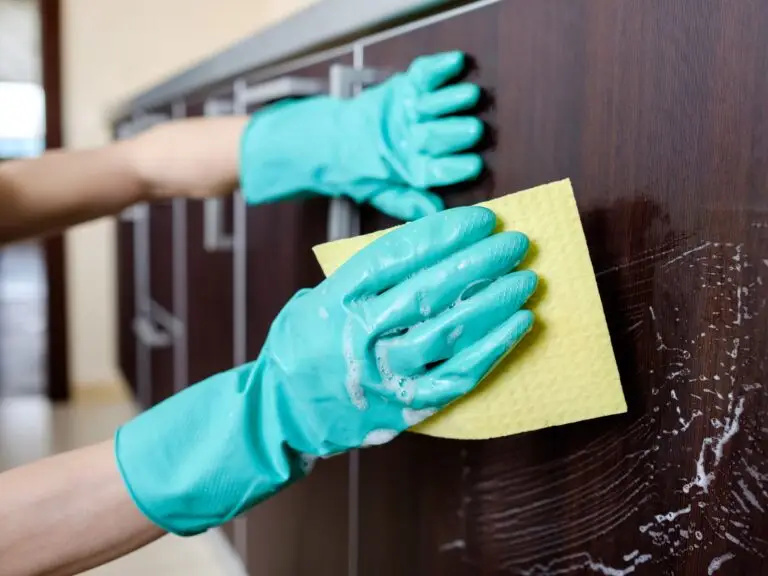
These are more “washable.” You can use a soft sponge and a bit more soap, but still avoid anything abrasive like the green side of a kitchen sponge.
Wallpapered Surfaces
Only wash wallpaper if it is labeled as “washable.” Use a dry sponge or a barely damp cloth. Avoid getting the seams wet, as this can cause the adhesive to fail and the paper to peel.
What You Need to Wash Walls Safely
To achieve a professional-grade clean without damage, gather these supplies:
- Two Buckets: One for your soapy water, and one with plain warm water for rinsing.
- Microfiber Cloths: These trap dust and dirt without scratching.
- Soft Sponge: For tackling small marks.
- Dry Towel: To immediately dry the wall and prevent water streaks.
Step-by-Step: How to Wash Walls
- Dust First: Use a vacuum attachment or a dry microfiber mop to remove loose dust and cobwebs. If you get dust wet, it turns into “mud” and smears across the wall.
- Test a Small Spot: Always test your cleaning solution on a hidden area (like behind a door or a piece of furniture) to ensure it doesn’t dull the paint.
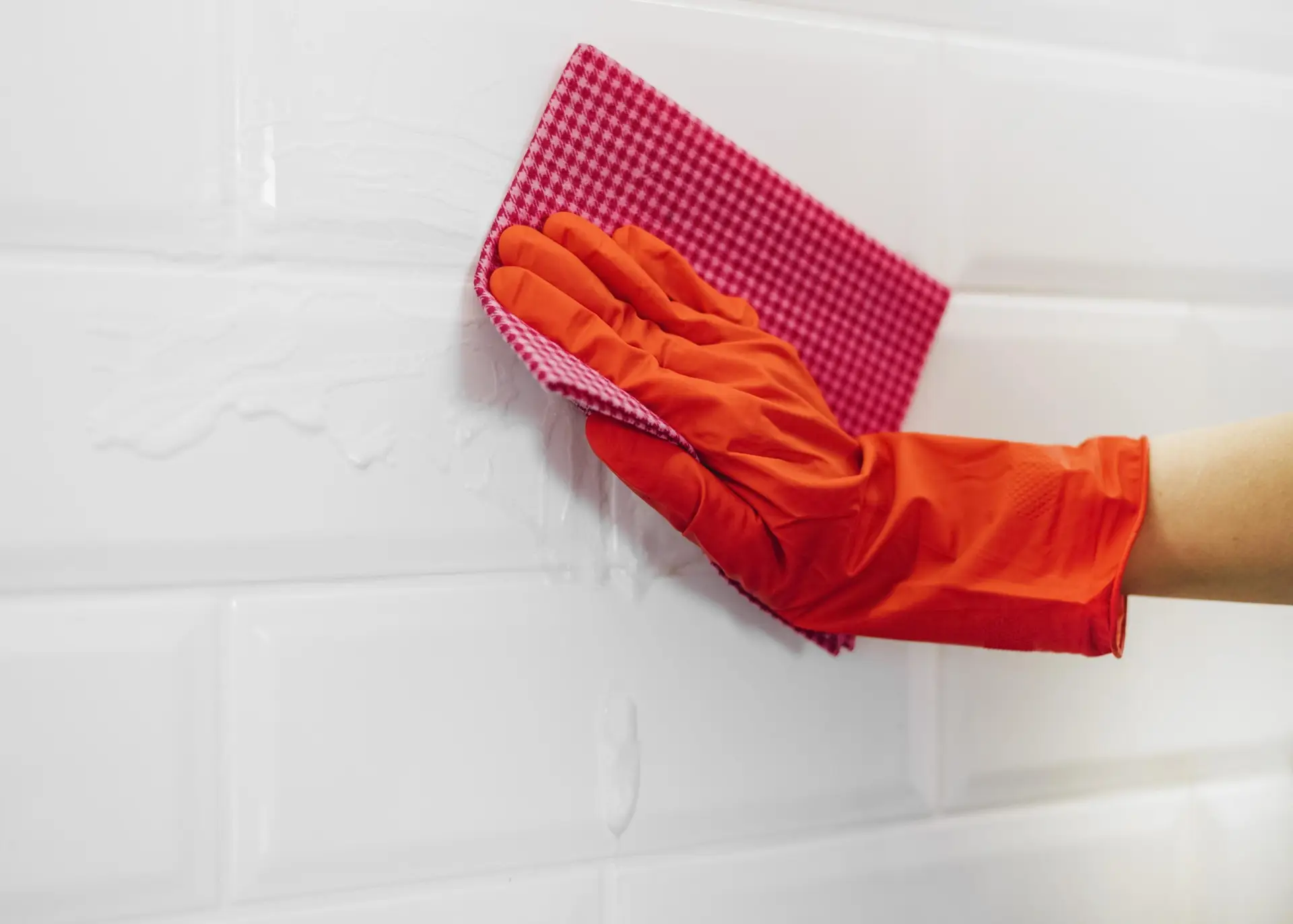
- Wipe Gently from Top to Bottom: Start at the top to catch any drips. Use circular motions with a wrung-out (not dripping) cloth.
- Dry to Avoid Streaks: Use your dry towel to buff the area immediately after rinsing.
What Not to Use on Painted Walls
- Harsh Degreasers: These can strip the sheen right off the paint.
- Abrasive Pads: Never use steel wool or scouring pads.
- Too Much Water: Excessive moisture can soak into the drywall, leading to mold or structural damage.
- Strong Bleach Solutions: These will cause white spots or yellowing on colored paint.
How to Remove Common Marks From Walls
- Fingerprints: Usually come off with the standard soap-and-water mix.
- Grease Splatter: Use a specialized “dry soot sponge” or a very small amount of diluted degreaser, rinsing immediately.
- Scuffs and Hand Marks: A “Magic Eraser” can work wonders, but be extremely careful. These are micro-abrasives and will leave a shiny or dull spot on matte and satin paints if used too aggressively.
FAQ: What to Wash Walls With
What is the safest thing to wash walls with?
Plain warm water or water with a small amount of clear dish soap is the universal “safe” choice.
Can I use dish soap on painted walls?
Yes, as long as it is a mild, non-citrus, and clear formula. Avoid soaps with heavy dyes or “ultra-concentrated” degreasers for standard wall washing.
Is vinegar safe for wall cleaning?
Yes, white vinegar is great for removing odors and light grease, but it should always be diluted (1 cup per gallon of water).
Need Help With Deep House Cleaning?
At Harmony Cleaning, we know that cleaning walls is a back-breaking task that requires precision and care. As part of our professional deep cleaning services, we can help refresh your home’s surfaces, ensuring every room looks as bright as the day it was painted.
- Detail-Oriented Teams: We know which techniques to use for every paint finish.
- Professional Equipment: We use high-reach tools and premium microfiber technology.
- Complete Peace of Mind: We treat your home with the care it deserves.
Would you like Harmony Cleaning to include professional wall dusting or washing in your next deep cleaning service?