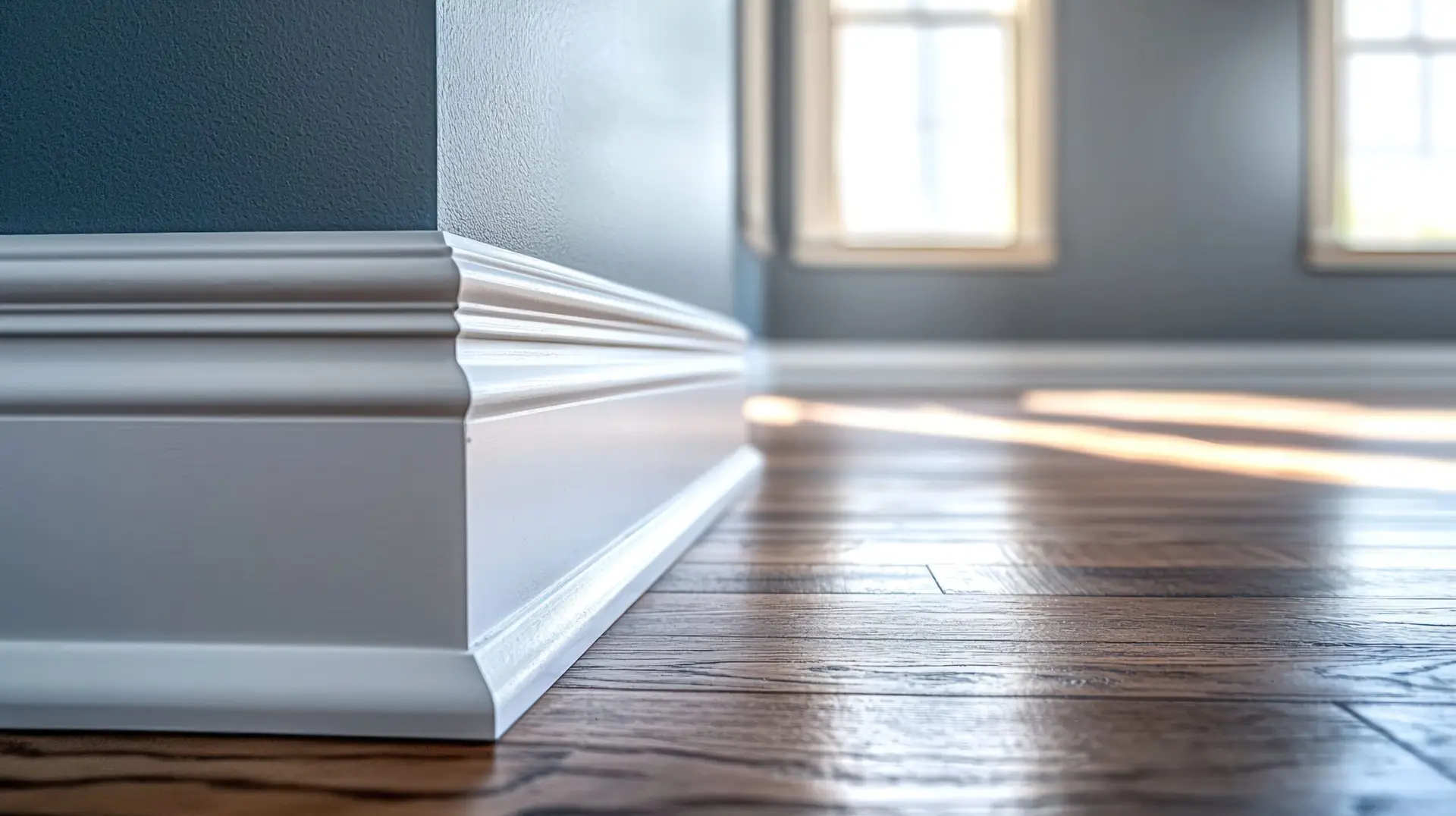
How to Clean Baseboards Without Making a Bigger Mess?
Baseboards are the “anchor” of a room’s aesthetic, but because they sit at floor level, they quickly accumulate dust, pet hair, and scuff marks. Many homeowners avoid cleaning them because it feels like a back-breaking task that often results in muddy streaks on the walls or carpet. However, with the right technique, you can make your trim look brand new without the extra mess.
Quick Answer: Dust First, Then Wipe With a Damp Microfiber Cloth
The secret to cleaning baseboards without creating “mud” is to remove all dry debris before introducing any liquid. If you spray a cleaner directly onto a dusty baseboard, you simply create a gray paste that is much harder to remove.
Why dry dusting matters
Using a vacuum with a brush attachment or a dry microfiber cloth removes the loose layer of allergens and hair. This ensures that when you finally wipe the surface, you are actually cleaning the wood or paint rather than just moving wet dust around.
Why too much moisture can backfire
Excessive water can seep behind the baseboard or into the carpet edge, potentially leading to mold or warping of wooden trim. A damp—not dripping—cloth is all you need.
What You Need to Clean Baseboards
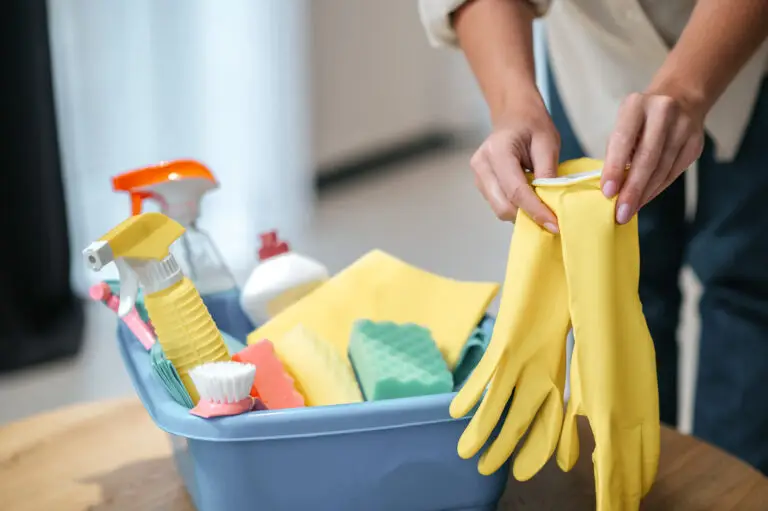
You don’t need expensive chemicals to get a professional result. Most U.S. households already have these essentials:
- Microfiber cloths: These are superior to paper towels because they trap dust particles rather than spreading them.
- Mild soap and warm water: A few drops of dish soap in a bucket of warm water is the safest cleaner for almost all finishes.
- Soft brush for corners: An old toothbrush or a clean paintbrush is perfect for excavating dust from the tight crevices and decorative grooves.
Step-by-Step: How to Clean Baseboards
Step 1: Remove loose dust
Start by vacuuming the length of the baseboards using the brush attachment. Pay close attention to the top ledge where the most dust settles.
Step 2: Spot-clean scuffs and buildup
Before wiping the whole length, target specific stains or “shoe scuffs.” Use a damp cloth with a bit more pressure on these areas.
Step 3: Wipe with a damp cloth
Dip your microfiber cloth into your soapy water solution and wring it out thoroughly. Wipe in long, smooth horizontal strokes.
Step 4: Dry and check corners
Use a second, dry cloth to buff the baseboards. This prevents water spots and ensures that no moisture remains in the corners to attract new dust.
How to Clean Painted vs. Wood Baseboards
Painted baseboards
Most modern U.S. homes use semi-gloss or gloss paint for trim. These are durable and can handle a bit more scrubbing. However, avoid harsh “all-purpose” cleaners that can dull the paint’s sheen over time.
Stained or finished wood trim
Natural wood is more sensitive to moisture. Use a specialized wood cleaner or a very diluted soap solution. Always wipe in the direction of the wood grain to prevent streaking.
How to Remove Scuff Marks From Baseboards
Gentle methods first
A damp microfiber cloth or a “tennis ball trick” (rubbing a clean tennis ball on the scuff) can often lift rubber marks from shoes without damaging the finish.
What to avoid
Avoid using highly abrasive sponges or heavy-duty degreasers, as these can strip the paint or stain, leaving a permanent dull spot that requires repainting.
How Often Should You Clean Baseboards?
Monthly maintenance
A quick pass with a vacuum brush once a month prevents “grime” from hardening, making your deep cleans much easier.
Seasonal deep cleaning
A full “hands-and-knees” scrub with soapy water should be done 2 to 3 times per year, usually during Spring and Fall resets.
FAQ: Cleaning Baseboards
What is the easiest way to clean baseboards?
The easiest “no-bend” method is to use a vacuum brush attachment followed by a microfiber mop head dampened with a cleaning solution.
Can I use a Magic Eraser on baseboards?
Yes, but with caution. Magic Erasers are mildly abrasive. They are great for white, painted baseboards with tough scuffs, but they can buff away the finish on stained wood or dark-painted trim.
What’s the best cloth for dusty baseboards?
A high-quality microfiber cloth is the industry standard because it carries a slight static charge that pulls dust away from the surface.
How often should baseboards be cleaned?
For homes with pets or high traffic, we recommend a light dusting every 2 weeks and a detailed wipe-down every 3 to 4 months.
Want Help With Detailed House Cleaning?
Cleaning baseboards is one of the most physically demanding parts of home maintenance. If you’re tired of spending your weekends on your hands and knees scrubbing trim, let Harmony Cleaning handle the heavy lifting. Our professional team includes baseboard detailing in our deep cleaning packages, ensuring every inch of your home shines from top to bottom.
Click Here to Get Your Free Cleaning Quote from Harmony Cleaning Today!