
How to Clean Window Sills Properly?
Window sills are one of the most overlooked areas in a standard cleaning routine, yet they are the primary collection point for outdoor dust, pollen, dead insects, and moisture. When left uncleaned, this mixture can turn into a sticky “grime” or even lead to mold growth. Learning how to clean window sills properly will keep your home looking sharp and help your windows glide smoothly for years to come.
Quick Answer: Vacuum First, Then Wipe With a Damp Cloth
The most common mistake people make is spraying a cleaning solution directly onto a dirty window sill. This creates a muddy mess that gets pushed into the corners. The professional secret is to remove all dry debris before introducing any moisture.
Why debris builds up
Window sills act as a shelf for everything that floats through the air. In the U.S., seasonal changes bring high pollen counts in the spring and soot from heating systems in the winter. Combined with the natural condensation that occurs on glass, these particles “settle” and harden onto the sill.
Why skipping vacuum is a mistake
If you use a wet rag on a dusty sill, you are essentially “painting” the mud into the porous paint or wood grain. Vacuuming ensures that the loose allergens are removed from the house entirely rather than just smeared around.
What You Need to Clean Window Sills
You don’t need specialized industrial chemicals. Most professional results come from these basic tools:
- Vacuum with brush attachment: This is the most critical tool for the first step.
- Microfiber cloth: It traps remaining particles far better than paper towels.
- Mild cleaner: A simple mix of warm water and a few drops of dish soap is safe for both painted and wooden sills.
Step-by-Step: Cleaning Window Sills
Step 1: Remove loose dirt and dust
Open the window and use the vacuum brush attachment to suck up all loose dust, dead bugs, and cobwebs from the sill and the tracks.
Step 2: Clean corners and tracks
If the tracks are very narrow, use an old toothbrush or a small detailing brush to loosen the hardened dirt in the corners. Vacuum again after brushing.
Step 3: Wipe with cleaning solution
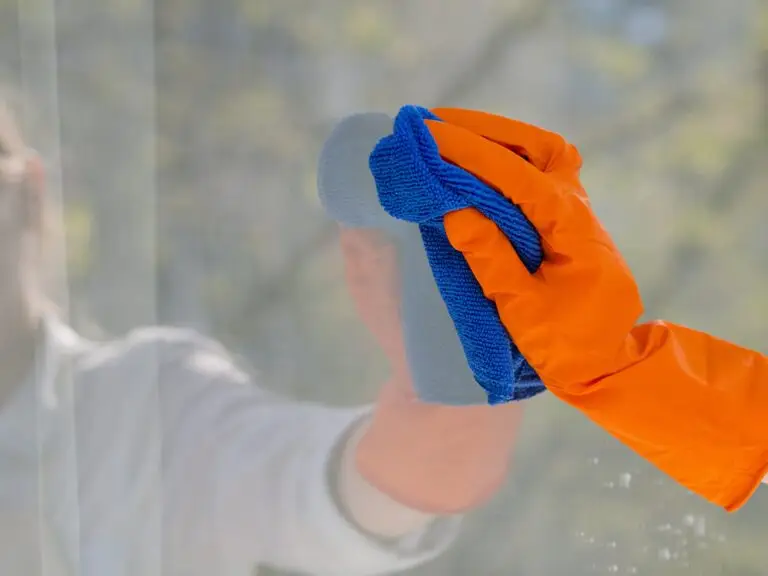
Dip your microfiber cloth into the soapy water, wring it out until it is just damp, and wipe the length of the sill. For stubborn spots, let the damp cloth sit on the area for a minute to soften the grime.
Step 4: Dry completely
Use a fresh, dry cloth to wipe away any remaining moisture. Leaving a window sill wet can lead to water spots or, worse, encourage mold growth if the window is closed immediately.
How to Remove Mold or Mildew From Window Sills
Because of condensation and rain, window sills are prime real estate for mildew.
Safe cleaning solutions
If you spot small black dots, use a mixture of one part white vinegar to one part water. Spray it on, let it sit for 10 minutes to kill the spores, and then scrub gently. For white-painted sills with heavy mold, a very diluted bleach solution can be used, but ensure you protect your carpets and surrounding walls.
Preventing moisture buildup
The best way to prevent mold is to reduce humidity. Ensure your bathroom fans are running and wipe down any condensation you see on the glass during cold mornings.
How Often Should You Clean Window Sills?
Monthly
A quick vacuum and a light wipe-down once a month will prevent the heavy “crust” from forming, making your deep cleans much faster.
Seasonal
Twice a year—typically in the spring when the windows are opened and in the fall before they are sealed for winter—you should perform a detailed deep clean of the tracks and sills.
FAQ: Cleaning Window Sills
What is the best cleaner for window sills?
For 90% of homes, warm water and mild dish soap is the best cleaner. It’s effective enough to cut through grime but gentle enough not to damage the paint or wood finish.
How do you clean very dirty window tracks?
Sprinkle a little baking soda into the track, spray with a 1:1 vinegar/water mix, and let it fizz for 5 minutes. Use a toothbrush to scrub the loosened gunk and wipe it out with a cloth or Q-tip for the tightest corners.
How do you prevent mold on window sills?
Keep the sills dry. If you have “sweating” windows in the winter, make it a habit to wipe the moisture off the sill every morning with a dry cloth.
Want Help With Detailed House Cleaning?
Window sills and tracks are some of the most tedious areas to clean, but they make a massive difference in how fresh a home feels. If you’re ready to let the professionals handle the “fine print” of house cleaning, Harmony Cleaning is here for you. Our detailed cleaning packages include sills and other often-forgotten areas, leaving your home truly spotless.
Click Here to Request Your Free Cleaning Quote from Harmony Cleaning Today!