How to Clean a Wood Heater Glass Door?
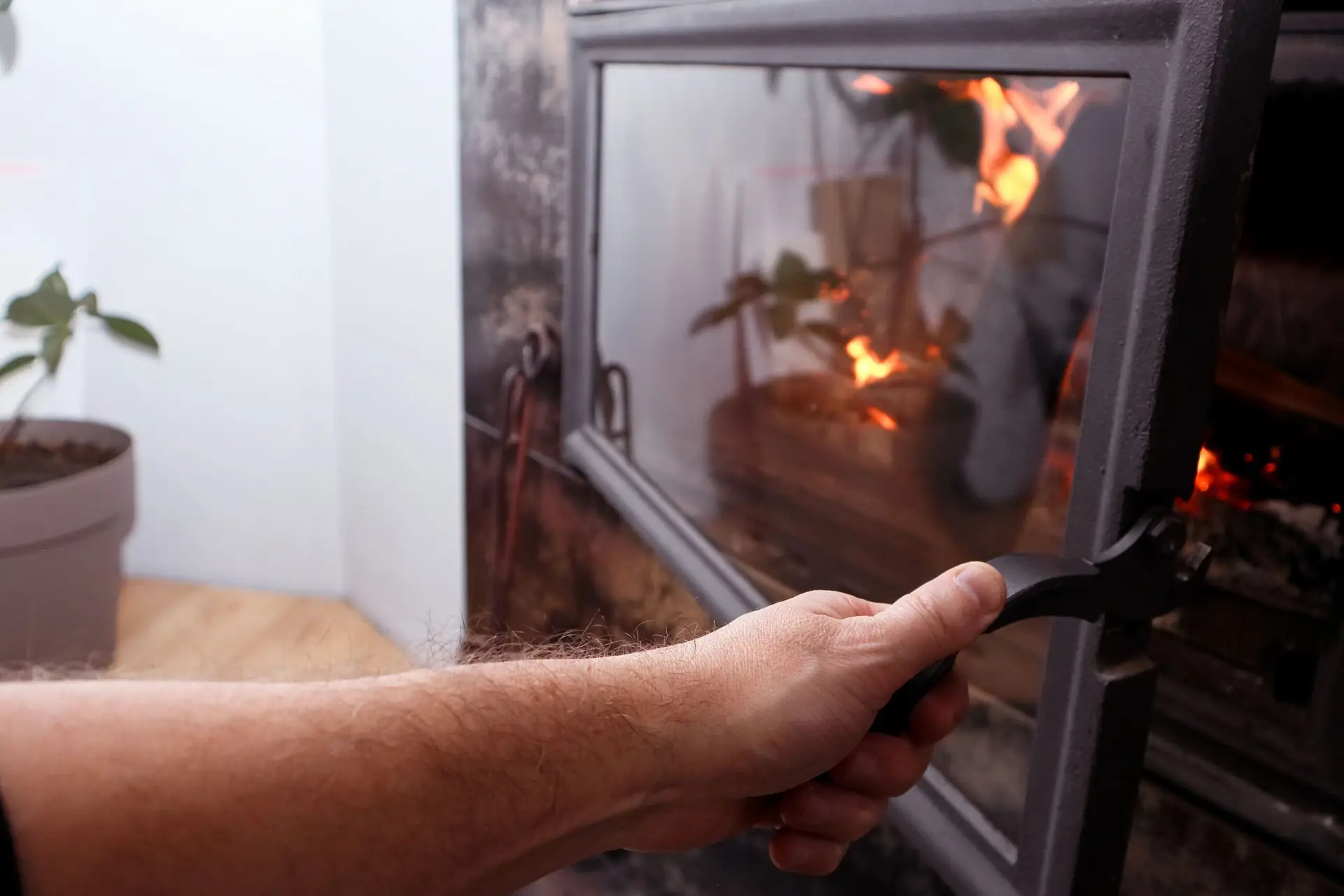
A clean glass door allows you to enjoy the ambiance of a crackling fire and helps you monitor how your wood is burning. When soot builds up, it doesn’t just look messy; it can become baked onto the glass, making it significantly harder to remove over time. Fortunately, you don’t need expensive chemicals to get a professional result.
Quick Answer: Use a Damp Cloth and Ash or a Non-Abrasive Cleaner
The most effective, traditional “pro secret” for cleaning wood stove glass is surprisingly simple: use the ash from the stove itself. The fine white ash acts as an incredibly gentle abrasive that cuts through soot without scratching the specialized ceramic glass.
Why soot builds up
Soot and creosote are byproducts of “incomplete combustion.” This typically happens when the fire isn’t hot enough, the wood is damp (unseasoned), or there isn’t enough oxygen reaching the flames. As the smoke cools near the glass, the carbon particles “stick” to the surface.
Why harsh cleaners damage glass
Most wood heaters use a specialized ceramic glass (like Neoceram or Robax) designed to withstand extreme thermal shock. Standard household glass cleaners containing ammonia or bleach can chemically react with the ceramic or leave a residue that “bakes” on during the next fire, eventually causing the glass to become permanently cloudy or “etched.”
What You Need to Clean Stove Glass
You likely already have these supplies in your utility closet or the stove itself:
- Damp cloth or paper towels: High-quality paper towels or a dedicated microfiber cloth work best.
- Fireplace ash (optional method): Specifically the fine, white wood ash from the bottom of your stove.
- Glass-safe cleaner: If you prefer a commercial product, ensure it is labeled specifically for “Ceramic Stove Glass.”
- A bowl of water: To dampen your cleaning tools.
Step-by-Step Cleaning Process
Step 1: Let glass cool completely
Never attempt to clean a wood stove door while it is hot or even warm. Spraying cool liquid or a damp cloth on hot ceramic glass can cause it to shatter instantly due to thermal shock. Wait at least 8–12 hours after the last fire has gone out.
Step 2: Apply cleaner or ash method
If using the ash method: Dip your damp cloth or a crumpled piece of newspaper into the fine white ash until it forms a “paste” on the cloth. If using a spray, apply it to the cloth first rather than directly onto the door to avoid dripping onto the stove’s gaskets.
Step 3: Gently scrub buildup
Work in small, circular motions. The ash will dissolve the creosote and soot surprisingly fast. For “baked-on” black spots, you may need to repeat this process a few times.
Step 4: Wipe and dry
Once the soot is loosened, use a clean, damp cloth to wipe away the residue. Finish with a dry microfiber cloth to buff the glass to a streak-free shine.
How to Prevent Black Soot Buildup
Burn dry wood
The #1 cause of black glass is “green” or wet wood. In the U.S., wood should be “seasoned” for at least 6–12 months until the moisture content is below 20%. Dry wood burns hotter and cleaner, preventing smoke from settling on the glass.
Proper airflow
Most modern stoves have an “Air Wash” system that directs a curtain of air across the glass to keep soot away. If you notice your glass turning black quickly, you may be “choking” the fire too much by closing the dampers too early.
Regular cleaning
Don’t wait for the glass to become pitch black. A quick 2-minute wipe-down every week during the burning season prevents the soot from becoming “baked” into the ceramic.
What NOT to Use on Stove Glass
- Abrasive pads: Never use steel wool, green scouring pads, or razor blades. Even tiny scratches will catch more soot next time and can weaken the structural integrity of the glass.
- Harsh chemicals: Avoid oven cleaners or abrasive bathroom scrubs, as these can damage the metal door frame and the heat-resistant gaskets.
FAQ: Wood Stove Glass Maintenance
Why does my stove glass turn black?
It is usually caused by burning wood with high moisture content or running the stove at a temperature that is too low. Increasing the airflow usually helps clear light soot.
Can I use vinegar?
Yes, a mixture of vinegar and water can work for light soot, but it is not as effective as the “ash method” for heavy creosote buildup.
How often should I clean it?
For a daily burner, we recommend a light cleaning once a week. For occasional use, once a month is sufficient.
Need Help With Detailed Home Cleaning?
Maintaining a wood heater is just one of the many details that keep a home feeling cozy and well-cared for. If your seasonal “to-do” list is getting too long, or if you want your entire living area professionally refreshed, Harmony Cleaning is here for you. We specialize in the deep cleaning details that make your home shine from top to bottom.
Click Here to Get Your Free Personalized Cleaning Quote from Harmony Cleaning Today!