Can You Clean Walls With a Steam Cleaner? A Technical Guide
Steam cleaners are celebrated for their ability to sanitize surfaces without the use of harsh chemicals. However, when it comes to the walls of your home, the answer isn’t a simple “yes.” Because most American homes use drywall (gypsum board) finished with water-based paints, introducing high-heat moisture can be a recipe for structural and aesthetic damage if not handled with professional care.
Quick Answer: Sometimes, But Steam Can Damage Some Wall Surfaces
Steam cleaning is generally safe for durable, high-gloss, or semi-gloss paints often found in kitchens and bathrooms, provided the steam is applied briefly and at a low setting. However, steam can easily penetrate the pores of flatter paint finishes, causing the paint to bubble, the drywall paper to soften, or even triggering the growth of mold behind the paint layer.
When steam may be safe
Steam is most effective and safest on non-porous surfaces. If your walls have a heavy protective sheen (like a high-gloss enamel), they can withstand a quick pass of steam to lift grease or heavy grime.
Why caution matters with painted drywall
Drywall is essentially a core of gypsum pressed between layers of paper. Paper and gypsum are highly absorbent. If steam lingers too long, it saturates the drywall, which can lead to warping, sagging, or permanent “bubbling” of the paint surface.
When Steam Cleaning Walls Can Be Risky
Flat Paint
Flat or matte finishes are the most vulnerable. They have very little resin (the “sealer” in paint), meaning the steam goes straight through the pigment and hits the drywall. This often results in the paint literally washing off the wall onto your cleaning cloth.
Drywall Seams and Patched Areas
The joints where drywall sheets meet are covered with “joint compound” (mud) and tape. This compound is water-soluble. Excessive steam can re-liquefy the mud, causing the tape to peel or the seams to become visible under the paint.
Wallpaper and Delicate Finishes
Never steam wallpapered walls unless your goal is to remove the wallpaper. The heat and moisture are designed to dissolve the adhesive, which will cause the paper to bubble and peel at the corners.
Moisture-Sensitive Spots
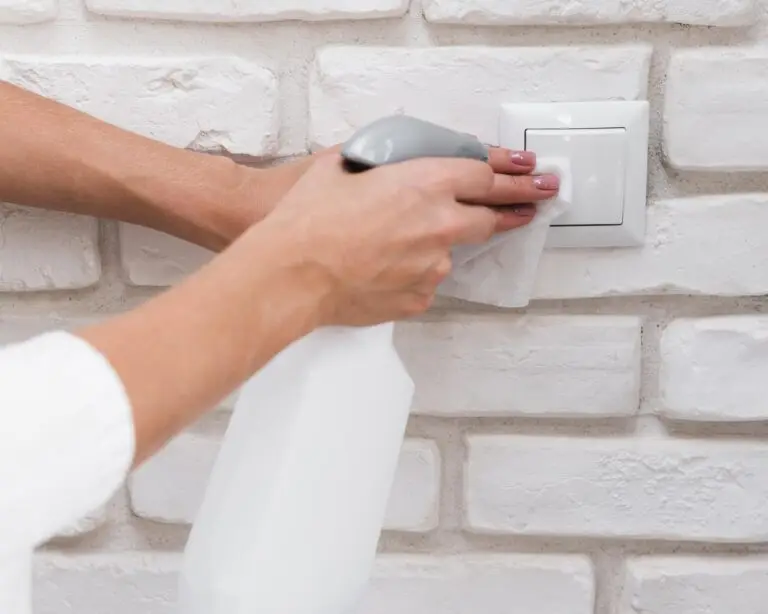
Areas around electrical outlets, light switches, and baseboards where the drywall might be exposed should be strictly avoided with a steam cleaner to prevent electrical hazards or wood rot.
Can You Use a Steam Cleaner on Painted Walls?
Satin and Semi-Gloss Walls
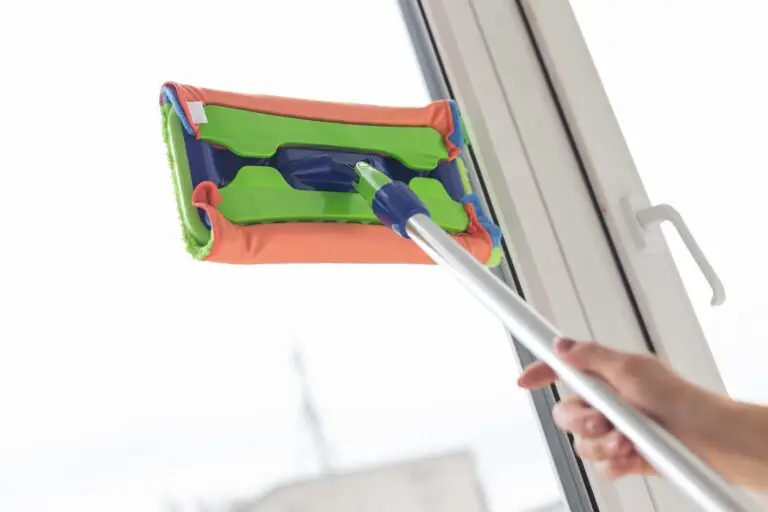
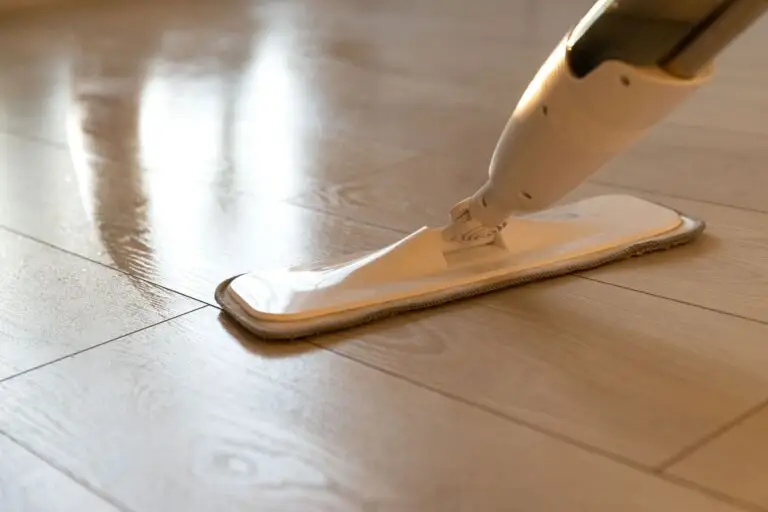
These finishes are more resilient. If you use a steam mop with a microfiber pad attachment, you can effectively lift scuffs and fingerprints. The pad acts as a buffer, preventing the direct blast of high-pressure steam from hitting the paint.
Why Matte Finishes Need Extra Caution
If you absolutely must use steam on a matte wall, keep the steamer at least 6 to 10 inches away and use the steam to “mist” the area rather than saturating it. Immediately follow up with a dry microfiber cloth.
Why Testing a Small Area Matters First
Before steaming an entire room, test a spot behind a door or inside a closet. Look for any color transfer onto your cloth or any softening of the paint. If the paint feels “gummy,” stop immediately.
Safer Alternatives to Steam Cleaning Walls
If you are worried about damaging your paint, these professional methods are often more effective:
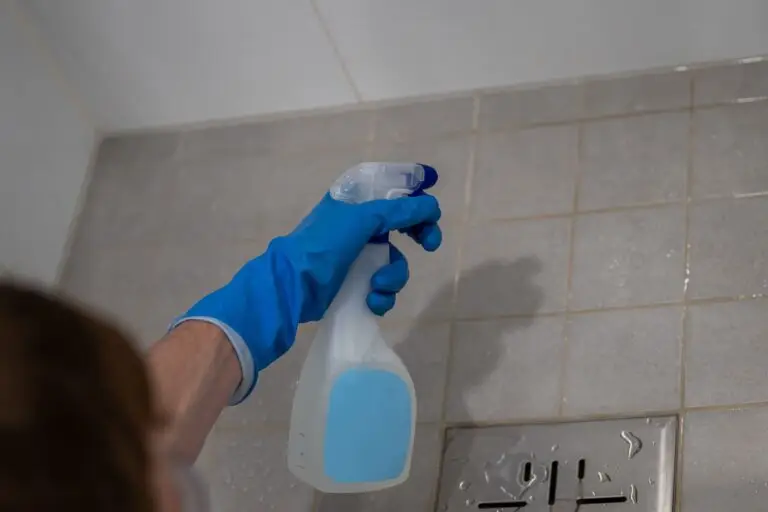
- Mild Soap and Water: A few drops of clear dish soap in a bucket of warm water is the “gold standard” for safe wall cleaning.
- Microfiber Cloth Cleaning: Using a dry or slightly damp microfiber mop is the best way to remove dust and cobwebs without introducing moisture.
- Spot Cleaning: For stubborn marks or grease in the kitchen, a specialized degreaser applied to a cloth (not the wall) is safer than high-heat steam.
If You Do Use Steam on Walls, Follow These Rules
- Use Low Steam: Always use the lowest possible setting. You want “dry steam,” which has less moisture content.
- Keep the Tool Moving: Never hold the steamer in one spot for more than a second or two. Continuous motion prevents heat from building up in the drywall.
- Avoid Over-Wetting: If you see water beads running down the wall, you are using too much steam.
- Dry the Area Quickly: Have a second person or a second hand ready with a clean, dry towel to buff the wall dry immediately after steaming.
What Surfaces Should Never Be Steam Cleaned?
- Peeling or Cracked Paint: Steam will get behind the cracks and accelerate the peeling process.
- Wallpaper: As mentioned, steam is a wallpaper removal tool, not a cleaning tool.
- Soft or Damaged Drywall: If the wall feels “spongy” or has previous water damage, steam will worsen the structural integrity.
- Unsealed Decorative Finishes: Such as Venetian plaster or hand-painted murals.
FAQ: Steam Cleaning Walls
Can you clean walls with a steam cleaner?
Yes, but only on durable finishes and with extreme caution. It is not recommended as a primary cleaning method for standard flat-painted living rooms or bedrooms.
Will steam damage drywall?
It can. If the steam saturates the paper backing or the gypsum core, it can cause structural softening and mold issues.
What is the safest way to clean dirty walls?
The safest method is dusting with a microfiber cloth followed by a light wipe-down with a highly diluted mild soap solution.
Need Help With Detailed Wall and Surface Cleaning?
Wall cleaning is a tedious and risky task for many homeowners. At Harmony Cleaning, we have the expertise and the right tools to refresh your home’s surfaces without the risk of moisture damage or paint stripping. Whether you need a deep seasonal clean or post-construction dust removal, we treat your walls with the care they require.
- Surface-Specific Techniques: We match our cleaning method to your paint finish.
- HEPA-Vacuuming: We remove the dust before it gets wet, preventing smears.
- Professional Results: Clean, streak-free walls that make your whole home feel brighter.
Would you like Harmony Cleaning to include professional wall cleaning in your next deep home service?