How to Remove Stains From Upholstery Safely?
Quick Answer: Blot First, Then Treat by Stain Type
The key to removing stains from a couch without ruining the fabric is to act fast, blot instead of scrub, and match your cleaning solution to the stain type. Never rub a spill, as this pushes liquid deeper into the fibers. Instead, blot up excess moisture immediately, identify your fabric’s safe cleaning method, and apply targeted solutions for food, grease, or pet messes.
Before You Treat Any Upholstery Stain
Check the Fabric Tag
Test the Cleaner in a Hidden Area
Avoid Heat Until the Stain Is Gone
Before applying any product, always inspect the manufacturer’s care tag:
- W / WS: Safe for water-based solutions (mild dish soap, water, or diluted vinegar).
- S: Solvent-based cleaners only; water can cause rings or permanent damage.
- X: Vacuum only; do not apply any liquid.
Always test your chosen solution on a hidden patch (like the back or under the sofa) and let it dry completely. Furthermore, never use hot water or a hair dryer on an untreated stain, as heat can chemically set proteins (like food or pet stains) permanently into the fabric fibers.
How to Remove Common Couch Stains
Food and Drink Stains
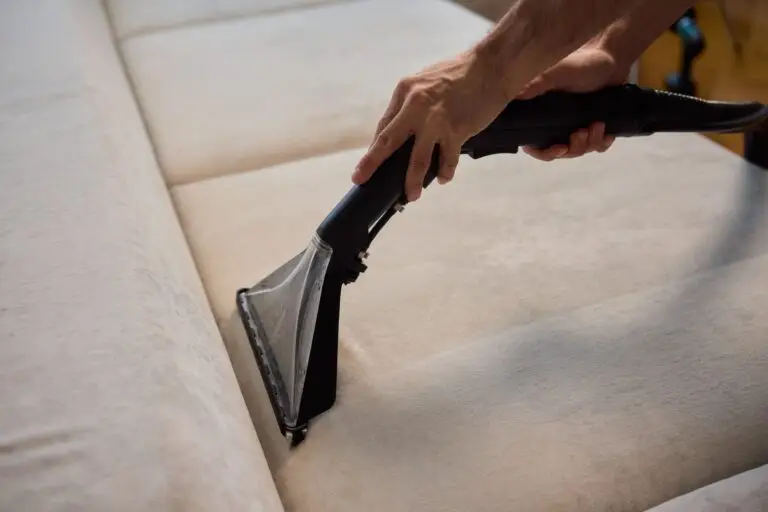
For coffee, wine, or juice spills on water-safe (“W” or “WS”) fabrics, blot up the excess liquid immediately. Mix a solution of 1 teaspoon of mild dish soap, 1 tablespoon of white vinegar, and 2 cups of warm water. Dab the stain gently with a clean microfiber cloth, working from the outside edges inward to prevent spreading.
Grease and Oil Spots
Oils (from food, cosmetics, or skin) do not mix well with water. For solvent-safe (“S”) fabrics, apply a dry-cleaning solvent. For water-safe fabrics, sprinkle baking soda or cornstarch over the spot to absorb the oil for 15–20 minutes, then vacuum it away before gently blotting with a dish soap solution.
Pet-Related Stains
For pet accidents, blot as much liquid as possible, then use an enzyme-based cleaner designed specifically for upholstered fabrics to break down organic proteins and odors safely.
Mud and Dirt Marks
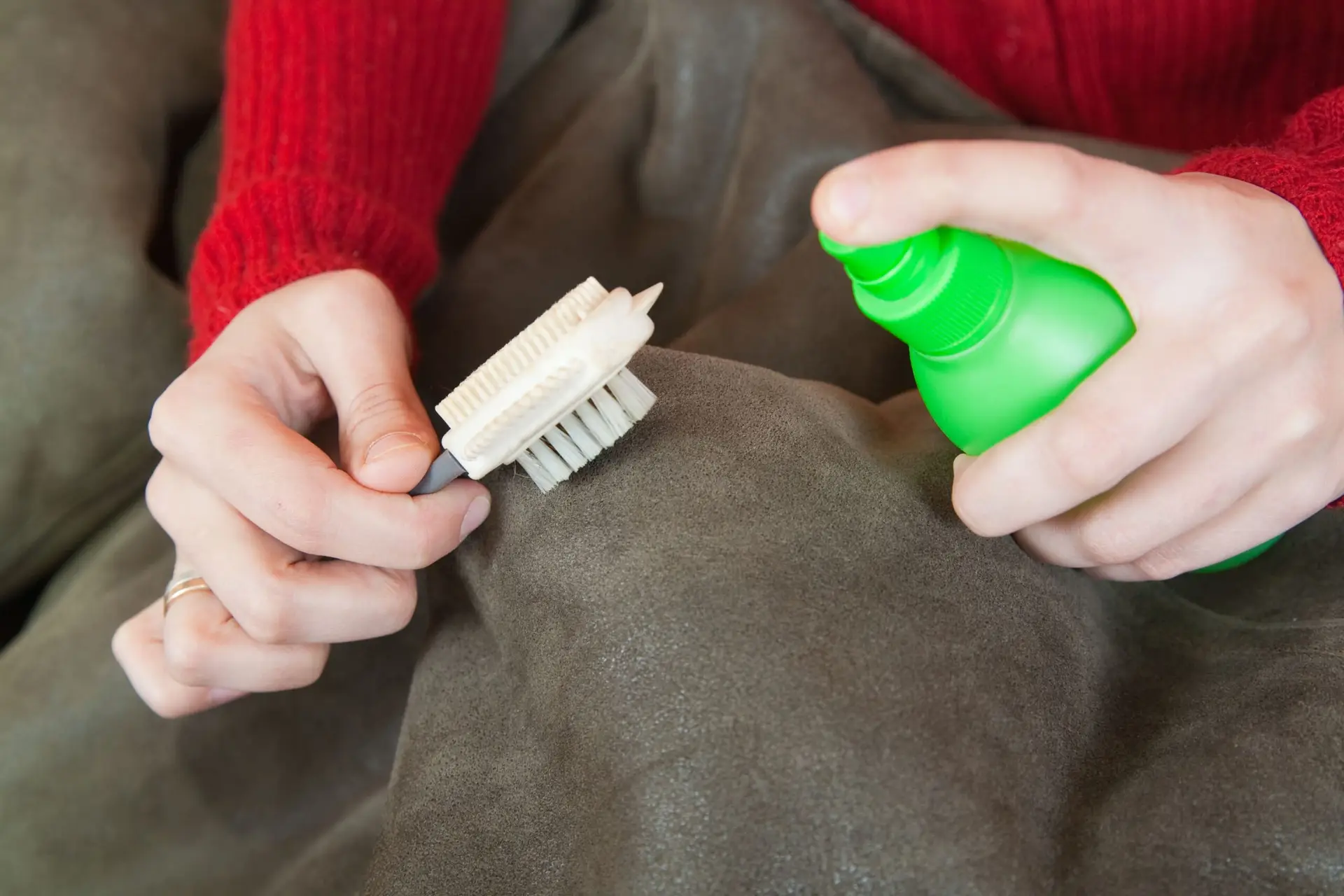
Let mud dry completely before trying to clean it. Once dry, use a soft-bristled brush or vacuum attachment to break up and remove the dried crust, then dab any remaining discoloration with a damp, soapy cloth.
Blotting vs Scrubbing: Why Technique Matters
Rubbing or scrubbing upholstery pushes the staining agent deep into the foam cushion core and frays delicate woven threads. Always use a clean white cloth or paper towel to blot vertically, lifting the stain up and out of the fibers rather than grinding it in.
What Not to Use on Upholstery
Bleach
Too Much Water
Harsh Degreasers
Product note: separate water-safe and solvent-safe fabrics.
Avoid harsh household chemicals like chlorine bleach or heavy-duty industrial degreasers, which can bleach the fabric color or dissolve synthetic backing threads. Additionally, avoid soaking the cushions with too much water, as trapped moisture creates prime conditions for mold. For a fully stocked cleaning caddy that handles these situations safely, explore our guide on Cleaning Supplies Every Home Should Have.
When a Stain Needs Professional Help
If a stain covers a large surface area, involves delicate velvet or vintage silk, or persists despite your best spot-treatment efforts, it’s time to call in professionals. For foundational maintenance tips on keeping your living space fresh, review our step-by-step methods in How to Clean a Fabric Couch Without Damaging It and check out How to Clean Upholstered Dining Chairs Safely at Home for matching furniture care.
FAQ
What removes stains from a fabric couch?
For water-safe fabrics, a mixture of mild dish soap, white vinegar, and cool water lifts most organic stains. For oil-based spots, baking soda or a dry-cleaning solvent is required.
Can vinegar damage upholstery?
Undiluted vinegar is acidic and can potentially weaken or discolor certain delicate natural fibers. Always dilute vinegar properly with water and test it on a hidden area first.
How do you prevent water rings on fabric?
Water rings occur when mineral deposits dry unevenly. To prevent them, use distilled water, avoid over-wetting the cushion, and feather the edges of your cleaning dampness outward instead of stopping in a harsh circle.