The Best Way to Clean an Oven: A Gold Star Specialist Guide
The oven is the powerhouse of the kitchen, but it is also the most prone to accumulating stubborn, carbonized grease that can affect the flavor of your food and even become a fire hazard. At Harmony Cleaning, we view oven maintenance as a Masterpiece of deep-sanitization. In 2026, the specialist standard focuses on intensive degreasing that avoids the toxic fumes of traditional “self-cleaning” cycles, protecting both your appliance’s heating elements and your home’s indoor air quality.
Quick Answer: Use a Degreaser or Baking Soda Paste, Let It Sit, Then Wipe Clean
The most effective “Gold Star” method for cleaning an oven involves a high-alkaline degreaser or a homemade baking soda paste applied to a cool surface. The secret is “dwell time”—allowing the cleaner to sit for 6 to 12 hours (or overnight) to chemically break down carbonized food. This process eliminates the need for aggressive scrubbing that can scratch the enamel finish or damage the door’s gasket seal.
What You’ll Need: The Specialist Toolkit
To achieve professional-grade results without damaging the oven’s interior, you need tools that balance power with surface safety.
Baking Soda (The Alkaline Specialist)
Sodium bicarbonate is naturally alkaline, making it the perfect “Gold Star” agent for neutralizing acidic food spills and lifting burnt grease without toxic fumes.
Vinegar or Heavy-Duty Degreaser
Distilled white vinegar reacts with baking soda to create a lifting foam. For extreme Masterpiece-level grime, a specialist, non-fuming commercial degreaser may be required for the oven floor.
Non-Scratch Sponge and Microfiber Cloths
Avoid steel wool or metal scrapers. Specialist non-scratch pads and high-GSM microfiber cloths ensure a streak-free finish on the glass door and enamel walls.
Step-by-Step Oven Cleaning: The Harmony Protocol
Follow this structured approach to restore your oven to its original Gold Star condition.
1. Remove Racks and Accessories
Take out the oven racks, pizza stones, and thermometers.
- Specialist Tip: Soak the metal racks in a bathtub or a large bin with warm water and dish soap while you tackle the oven interior.
2. Apply the Cleaning Agent
Mix 1/2 cup of baking soda with a few tablespoons of water until you have a spreadable paste. Coat every surface of the oven interior, avoiding the heating elements. The paste will often turn brown as it begins to absorb the grease.
3. Let It Sit (The Power of Dwell Time)
For a Masterpiece result, let the paste sit for at least 12 hours. This allows the alkalinity to soften the hardest carbon deposits, turning “scrubbing” into a simple “wiping” task.
4. Scrub and Wipe
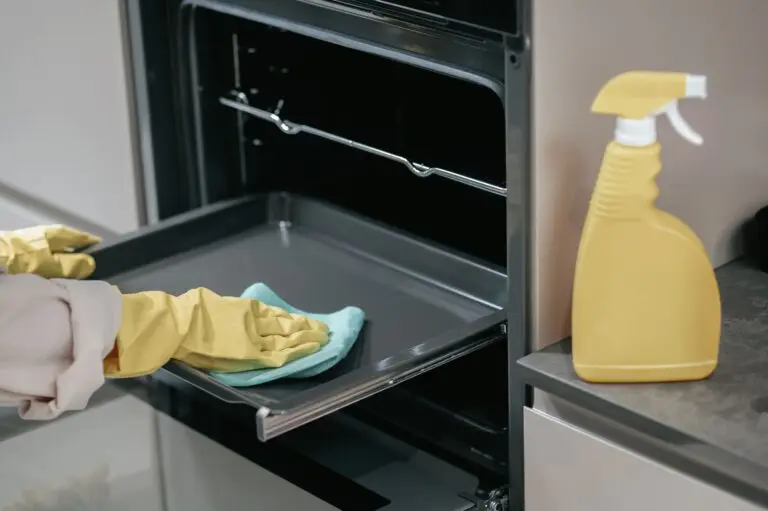
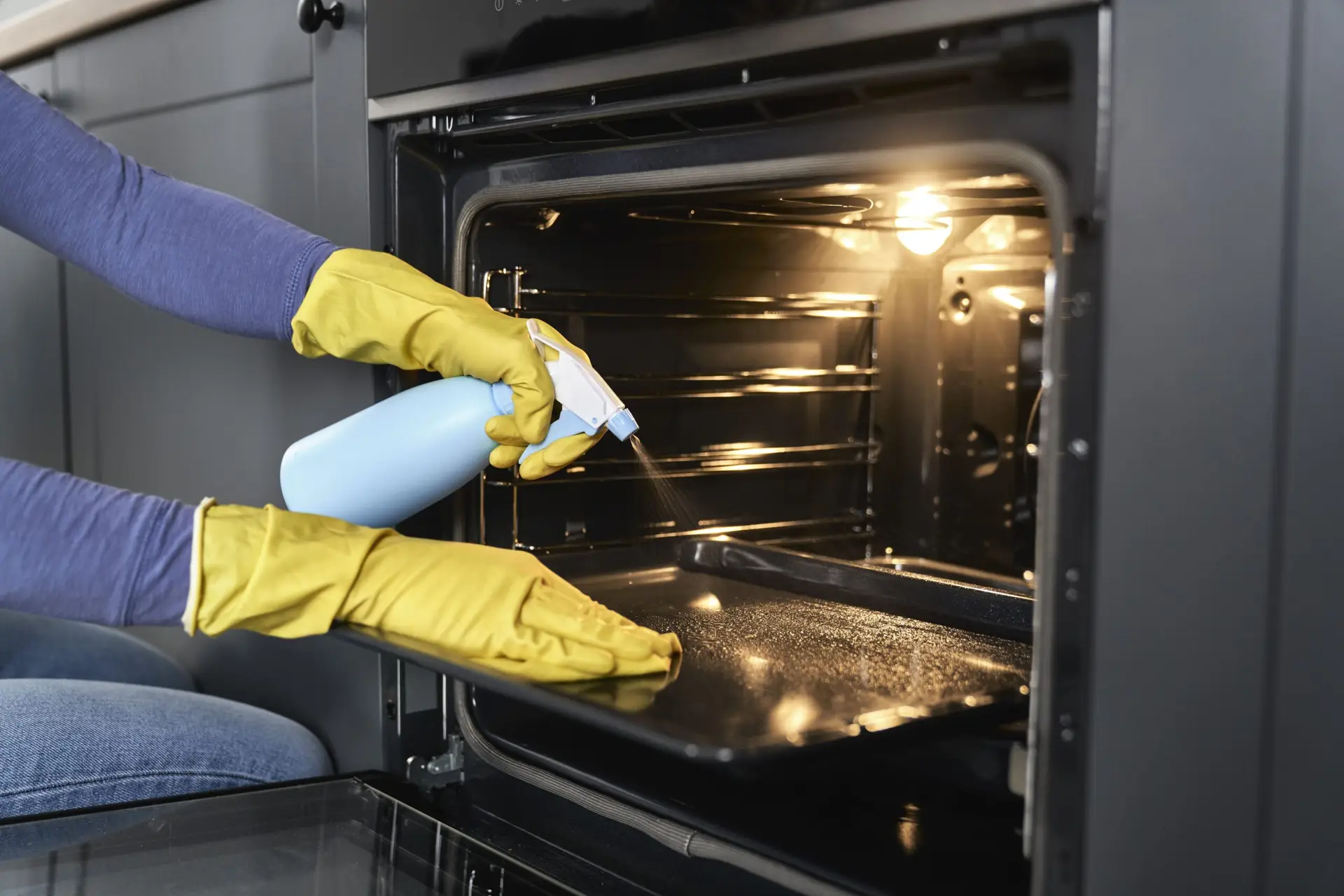
After the dwell time, use a damp non-scratch sponge to wipe away the paste. For stubborn spots, use a plastic scraper. Finish by spraying a light mist of vinegar over any remaining soda residue; the resulting foam will make it easy to wipe away the final traces, leaving a brilliant shine.
Natural vs. Chemical Cleaners: A Gold Star Comparison
| Feature | Natural (Baking Soda/Vinegar) | Commercial Chemical Degreasers |
| Safety | 100% Food-safe and non-toxic. | May require heavy ventilation and gloves. |
| Speed | Requires 6–12 hours of dwell time. | Fast-acting (typically 30–60 mins). |
| Scrubbing | Minimal if left overnight. | Moderate to low depending on the brand. |
| Odor | Neutral/Fresh. | Can be harsh or chemically intense. |
Common Mistakes to Avoid
To maintain the Masterpiece integrity of your appliance, avoid these specialist-identified errors:
- Using the High-Heat Self-Clean Cycle: Specialists warn that the extreme temperatures (up to 900°F) can blow thermal fuses, damage electronic control boards, and release hazardous carbon monoxide.
- Cleaning the Heating Elements: Never apply paste or chemicals directly to the heating coils. This can cause smoke and permanent damage when you next turn the oven on.
- Ignoring the Gasket: The rubber seal around the door is delicate. Avoid harsh scrubbing here, as a damaged gasket leads to heat loss and uneven baking.
FAQ: Specialist Insights
How often should you clean your oven?
For a Gold Star kitchen, we recommend a deep clean every 3 to 6 months. However, if you notice smoke or a burning smell when preheating, a Masterpiece reset is needed immediately.
Can I use vinegar only?
No. Vinegar is an acid and is excellent for removing water spots or light grease film, but it is not strong enough to break down the heavy, carbonized “burnt-on” grease that accumulates on oven floors.
What removes burnt grease?
A thick baking soda paste left overnight is the safest and most effective method. For commercial-grade results on extreme buildup, a specialist degreaser with a high pH level is required to chemically liquefy the carbon.
Restore Your Kitchen’s Harmony
At Harmony Cleaning, we believe that every appliance in your home should be a Masterpiece of efficiency and cleanliness. Our specialists provide the Gold Star attention to detail required to handle the toughest oven grime, ensuring your kitchen remains a safe and sanitized environment for your family. Don’t let a dirty oven compromise your cooking or your air quality.
- Appliance Specialists: Expert knowledge of all oven types, including convection and gas.
- Non-Toxic Protocols: Prioritizing your family’s health with safe cleaning agents.
- The Harmony Standard: A flawlessly clean oven, inside and out.
Is your oven overdue for a specialist reset? Contact Harmony Cleaning today for a Gold Star deep clean and let us turn your kitchen into a Masterpiece of sanitation!