How to Clean Area Rugs Without Damaging Their Fibers?
Quick Answer: Vacuum Gently, Spot Treat Carefully, and Dry Fast
The safest and most effective way to clean an area rug at home is to vacuum gently (avoiding aggressive beater bars on delicate fringe), spot-test any cleaning solution, blot stains rather than scrubbing, and ensure both sides dry completely before placing the rug back down. Proper rug care lifts dirt, neutralizes trapped odors, and protects delicate textile fibers from premature wear.
Know Your Rug Material First
Wool
Cotton
Synthetic Fibers
Delicate or Vintage Rugs
Fiber note: include cautions for wool and natural fibers.
Before applying any water or cleaning product, always identify your rug’s fiber composition. Natural fibers like wool and jute require specialized care: wool can felt or shrink if exposed to hot water and harsh alkaline detergents, while natural plant fibers like jute are highly absorbent and can watermark or rot if they stay damp. Synthetic fibers (like polypropylene or nylon) are generally much more resilient and water-tolerant.
How to Clean an Area Rug at Home
Shake or Vacuum Loose Dirt
Spot Test Before Treating Stains
Blot Stains Instead of Scrubbing
Dry Both Sides Completely
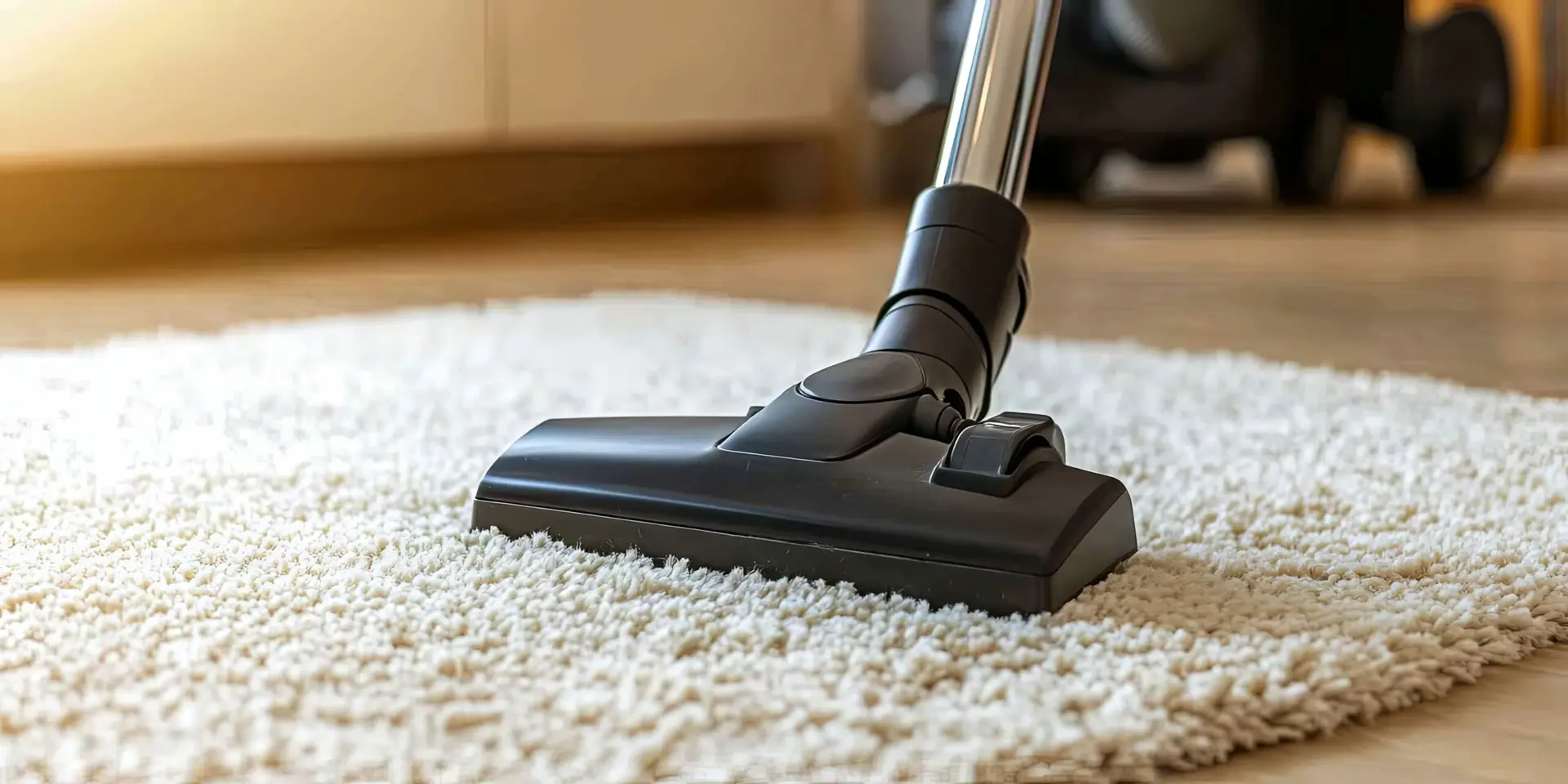
- Remove Loose Debris: Take the rug outside and give it a good shake, or use your vacuum cleaner on a low-suction or bare-floor setting to suck up embedded grit—for deeper floor care strategies, consult our guides on finding the Best Vacuum for Carpet and understanding How Often Should You Vacuum Carpet.
- Spot-Test First: Apply your chosen mild cleaner to a tiny, hidden corner of the underside of the rug to check for colorfastness.
- Blot, Don’t Scrub: Treat localized spots by blotting gently with a clean cloth and a mixture of mild dish soap and cool water, working from the edges inward.
- Dry Thoroughly: Lay the rug flat in a well-ventilated area or in the sun (if color-safe) and flip it over halfway through to ensure both the backing and fibers dry completely.
Common Area Rug Cleaning Mistakes
A frequent mistake is oversaturating natural fiber rugs with water or steam cleaning them without professional equipment, which traps moisture in the heavy backing and causes mold or foul odors. Another pitfall is using high-heat settings or aggressive rotating brush rolls on delicate vintage or hand-knotted wool rugs, which can easily fray the fibers and fringe.
How Often Should Area Rugs Be Cleaned?
For standard low-traffic rooms, shake or vacuum your area rugs weekly, and perform targeted spot-cleaning as spills occur. In high-traffic zones like entryways, living rooms, or homes with pets, a thorough seasonal refresh is recommended every 6 months.
Partnering with Professional Cleaning Services
Service angle: connect rugs to floor care and recurring cleaning.
Internal linking note: use carpet vacuuming and hard floor cleaning anchors.
Maintaining spotless area rugs is a key part of keeping your home’s flooring pristine. When managing multi-surface flooring, pairing your rug maintenance with hard floor care ensures your entire living space shines—explore our recommendations for the Best Hard Floor Mop. While regular vacuuming and careful spot-treating keep rugs looking fresh between deep cleans, investing in professional floor and carpet maintenance ensures stubborn dirt, allergens, and ground-in oils are completely eliminated from your home.
FAQ
Can you wash an area rug at home?
Yes, small synthetic or cotton accent rugs can often be machine-washed on a gentle cycle. However, large wool, vintage, or natural fiber rugs should never be machine-washed and require spot-cleaning or professional care.
What is the safest way to clean a rug?
The safest method is dry vacuuming to remove loose dirt, followed by spot-cleaning minor stains with a mild, pH-neutral soap solution and cool water, avoiding excessive moisture.
Should area rugs be vacuumed before mopping nearby floors?
Yes! Always vacuum your area rugs and surrounding hard floors first so that any drifting dust or crumbs are captured before you apply wet cleaning solutions to your hard flooring.