Best Way to Clean Kitchen Cabinets: A Professional Maintenance Guide
Kitchen cabinets represent one of the most significant investments in a home’s interior. Because they are vertical surfaces, they don’t collect as much dust as a countertop, but they do trap airborne grease and cooking film that can eventually harden into a sticky residue. In 2026, the best way to clean kitchen cabinets is a “minimal moisture” approach that prioritizes surface-safe degreasing.
Quick Answer: Gentle Cleaning + Regular Maintenance
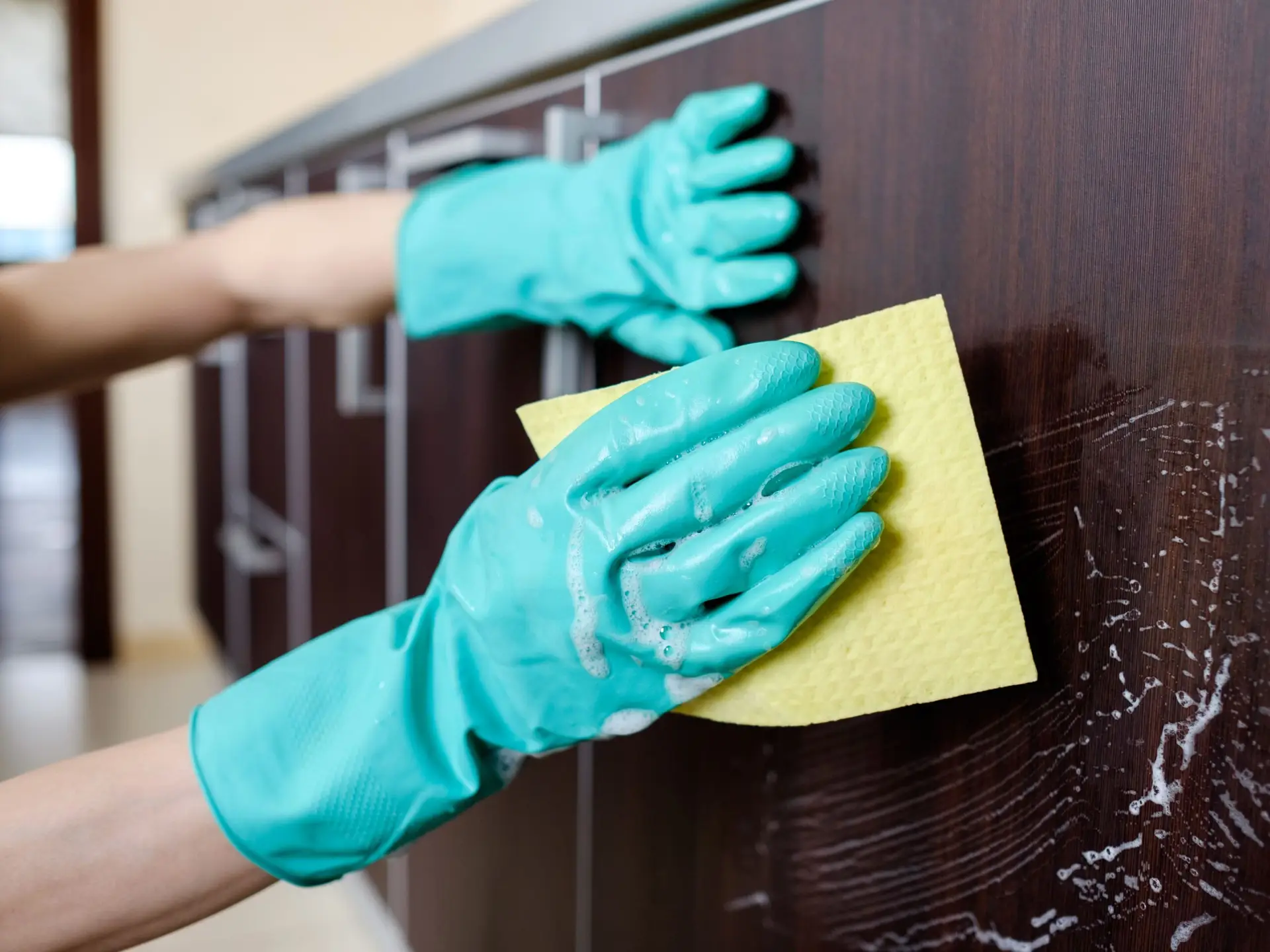
The most effective way to clean cabinets is to use a mild, grease-cutting dish soap mixed with warm water and a soft microfiber cloth. The secret to a professional finish isn’t a “miracle product,” but rather the technique: wiping in the direction of the wood grain and immediately buffing the surface dry to prevent water damage or streaks.
Daily vs. Deep Cleaning Cabinets
Light Cleaning Routine (Daily/Weekly)
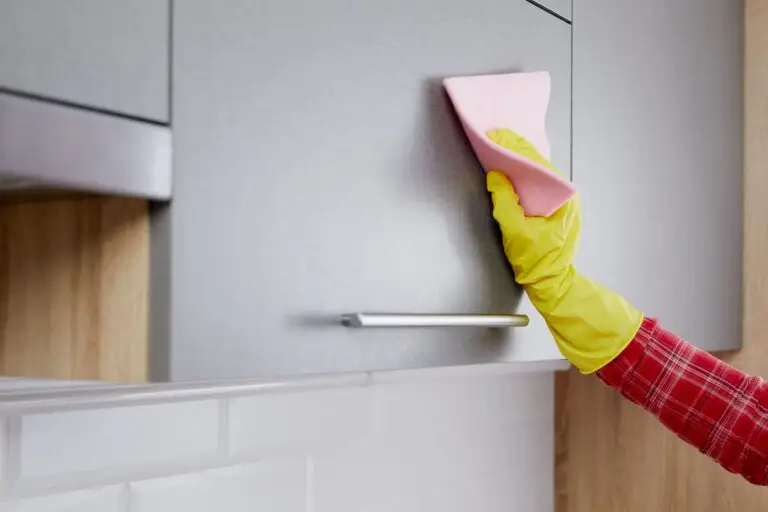
Focus on the “splash zones” and high-touch areas. Wipe the cabinet doors closest to the stove and around the handles after cooking. A quick pass with a damp microfiber cloth prevents grease from oxidizing and becoming “tacky.”
Deep Cleaning Method (Every 3–6 Months)
This involves a top-to-bottom detail. You should:
- Empty the cabinets to clean interior shelves.
- Use a vacuum with a brush attachment to remove crumbs from corners.
- Clean the tops of the cabinets (where grease and dust form a thick “mat”).
- Detail the molding and crevices using a soft toothbrush dipped in a cleaning solution.
Best Products for Cabinet Cleaning
- Mild Cleaners: Clear, pH-neutral dish soap (like Dawn) is the safest and most effective degreaser for 99% of finishes.
- Degreasers: For heavy buildup near the range hood, a citrus-based cleaner (d-Limonene) is a natural solvent that dissolves aged oils without stripping paint.
- Natural Solutions: A 50/50 mix of distilled white vinegar and warm water is excellent for removing “cloudy” films and restoring shine to sealed wood.
Cleaning Cabinets by Material
Wood Cabinets (Stained/Sealed)
Wood is porous. Always wipe in the direction of the grain to lift dirt out of the fibers. Avoid soaking the wood; a “barely damp” cloth is all you need. Use a dedicated wood soap (like Murphy’s) once a year to condition the finish.
Painted Cabinets
Painted surfaces can be easily scratched or “buffed” into a shiny spot if you scrub too hard. Use only soft cloths and avoid abrasive cleaners or “magic” sponges, which act like fine sandpaper on paint.
Laminate Cabinets
Laminate is highly durable but sensitive to moisture at the seams. If water seeps behind the laminate edge, it can cause the core to swell and the finish to peel (delaminate). Use a spray-and-wipe method rather than a soaking bucket.
Common Mistakes to Avoid
- Using Too Much Water: Moisture is the #1 enemy of cabinetry. It causes wood to warp and paint to bubble.
- Abrasive Scrubbing: Never use the scrubby side of a sponge. If a spot is stubborn, let the cleaner sit for 60 seconds instead of scrubbing harder.
- Harsh Chemicals: Ammonia, bleach, and undiluted vinegar can eat through the protective clear coat, leaving your cabinets vulnerable to stains.
How to Keep Cabinets Clean Longer
- Use Your Vent Fan: Turn on the range hood every time you cook to pull grease away from the cabinets.
- Wash Your Hands: Skin oils are acidic and can break down cabinet finishes over time around the knobs.
- Check the Toaster/Kettle: Ensure steam-producing appliances are pulled forward from under the upper cabinets when in use to prevent heat and moisture damage.
FAQ: Cabinet Cleaning Logic
What is the best way to clean cabinets?
Warm water, a few drops of dish soap, and a microfiber cloth. It is safe, inexpensive, and effective.
How often should cabinets be cleaned?
High-touch areas should be wiped weekly; a full exterior wipe-down should happen monthly; and a deep interior/exterior clean should occur twice a year.
What is safe for wood cabinets?
pH-neutral soaps and specialized wood cleaners are best. Avoid anything with high concentrations of alcohol or ammonia.
Need Professional Kitchen Cleaning?
At Harmony Cleaning, we know that degreasing a kitchen is a grueling, multi-hour task. Our professional deep cleaning services include detailing your cabinetry—fronts, handles, and moldings—to ensure your kitchen isn’t just tidy, but truly sanitized and grease-free.
- Detail-Oriented Teams: We don’t miss the “hidden” grease on the undersides or tops of cabinets.
- Surface-Safe Products: We use professional-grade cleaners that protect your investment.
- Complete Kitchen Refresh: Let us handle the heavy lifting while you enjoy a sparkling kitchen.
Would you like Harmony Cleaning to provide a free estimate for a deep kitchen cleaning that includes a professional cabinet detail?