How to Clean Closet Shelves and Organize Them?
A messy closet can turn a simple morning routine into a frustrating search for lost items. Dust accumulation and disorganized piles don’t just look bad—they make it difficult to find what you need and can lead to unwanted odors or damaged clothing. Whether you are prepping for a seasonal change or simply tired of the chaos, knowing how to properly clean and organize your closet shelves is the first step toward a more functional, tranquil home.
Quick answer: clean first, organize second
The most efficient way to tackle your closet is to clear it entirely and clean the surface area before putting anything back. By cleaning first, you ensure that you aren’t placing clean clothes or items back onto dusty, grimy surfaces. This “blank slate” approach makes it much easier to visualize a new, logical organization system rather than just shifting clutter around.
Why closet shelves collect dust and clutter
Closet shelves are notorious dust magnets because they often house fabric-based items like sweaters, blankets, and linens, which naturally shed fibers. In many homes, closets also lack consistent airflow, causing dust to settle and stay. Clutter, on the other hand, usually accumulates due to a lack of defined zones. When every shelf is a “catch-all,” it becomes impossible to maintain order, leading to a cycle of overstuffed spaces and neglected maintenance.
Supplies for cleaning and organizing closet shelves
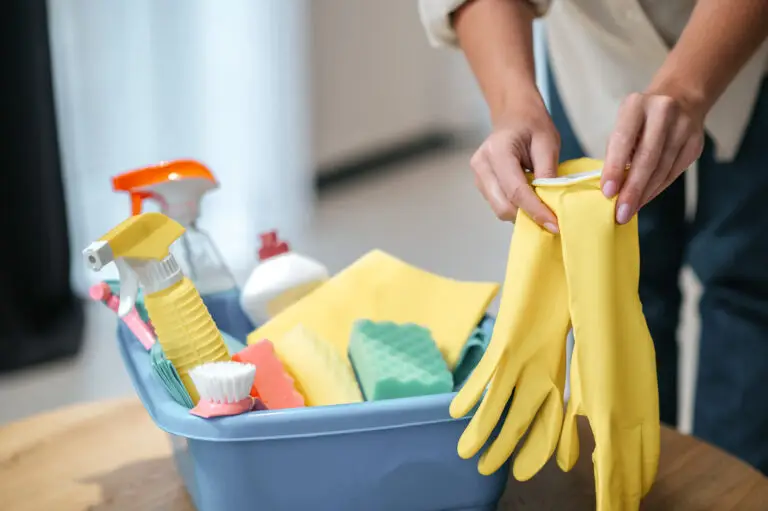
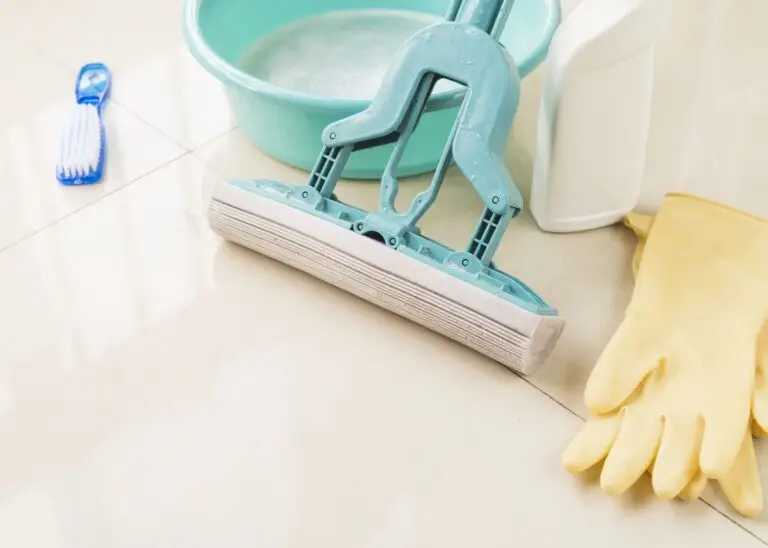
Before you start, gather these essential supplies to ensure the process is smooth and effective:
- Microfiber cloths: Ideal for trapping dust rather than just moving it around.
- Gentle surface cleaner: Use a mild soap and water solution or a cleaner appropriate for your specific shelving material.
- Vacuum with a brush attachment: Perfect for reaching corners and removing heavy dust bunnies.
- Sorting bins or bags: For your keep, donate, and relocate piles.
- Labels (optional): Highly recommended if you plan on using storage bins for long-term organization.
Step-by-step closet shelf cleaning process
Remove everything from the shelf
Start by clearing the closet completely. It is tempting to clean around items, but you will never achieve a deep, lasting clean that way. Removing everything allows you to inspect the shelf condition and identify any signs of wear, moisture, or pests that might be lurking in the back corners.
Sort items into keep, donate, and relocate piles
As you remove items, categorize them immediately. Be honest with yourself: if you haven’t worn or used an item in over a year, it is likely time to donate it. Items that don’t belong in the closet should be moved to their proper home, and only the items you truly use should earn their way back onto your freshly cleaned shelves.
Dust, wipe, and dry shelves
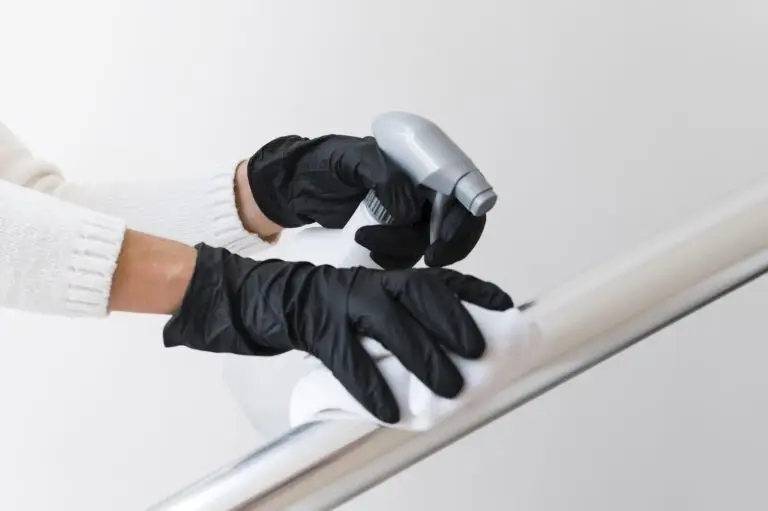
Use your vacuum to clear the loose debris first. Follow this by wiping down the shelves with your chosen cleaner. Be sure to wipe the underside of any ledges or brackets, as dust often collects on the bottom edges. Always ensure the shelves are completely dry before returning your items to prevent any risk of mildew or fabric damage.
Group items by category and frequency of use
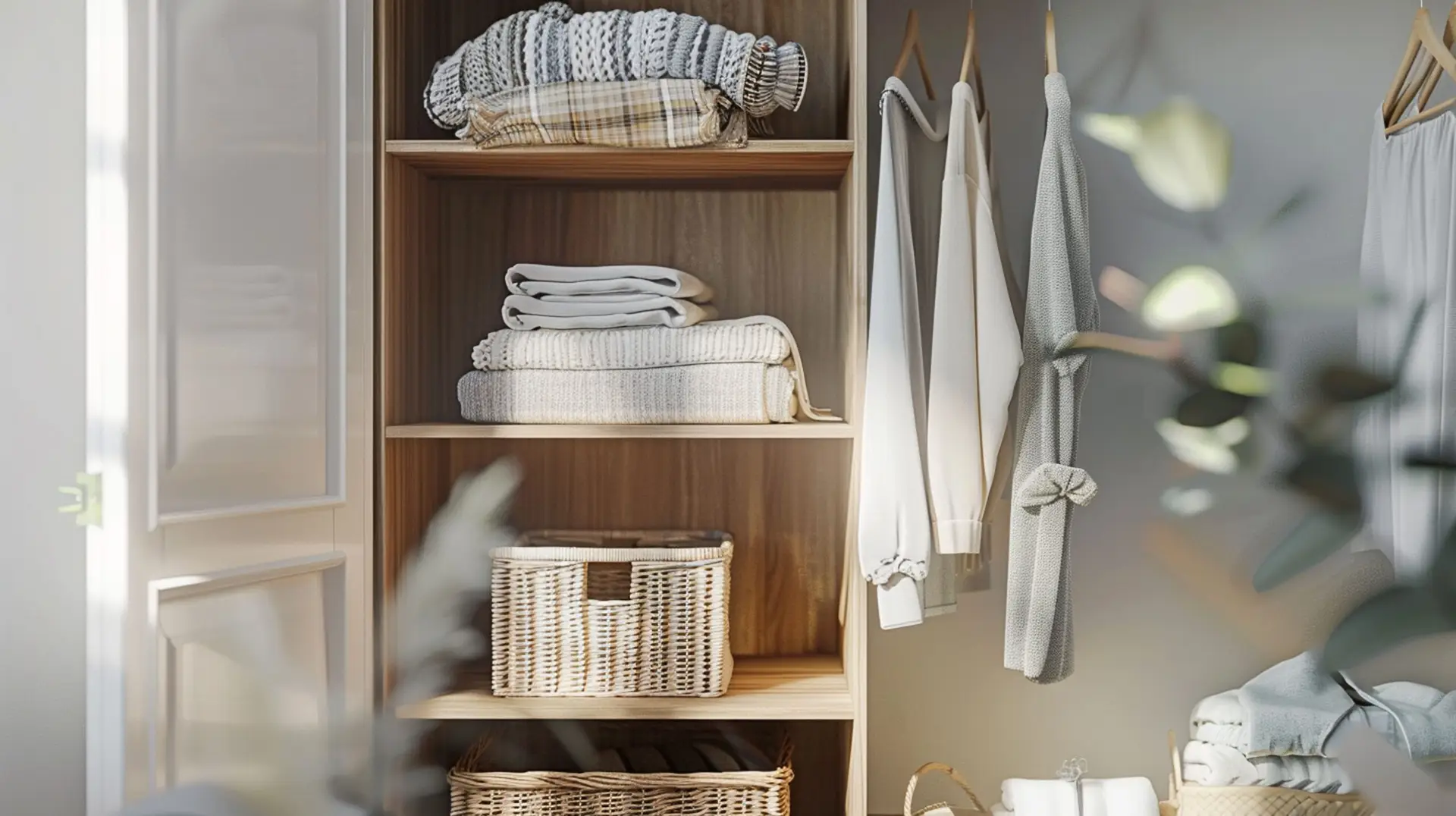
When placing items back, use the “prime real estate” rule. Keep the items you use daily at eye level or within easy reach. Seasonal items or things you rarely use—such as winter coats in summer or formal wear—should be placed on the highest or lowest shelves. Grouping by category (e.g., denim, sweaters, linens) creates a visual sense of calm and makes maintenance effortless.
Closet organization ideas that are easy to maintain
To keep your closet organized long-term, consider using clear bins for smaller items, which allow you to see exactly what you have without digging. Shelf dividers are another game-changer; they prevent stacks of folded clothing from toppling over into a disorganized mess. Most importantly, give every item a “home.” If an item doesn’t have a dedicated spot, it will inevitably end up as clutter.
How often to clean closet shelves
Ideally, you should perform a light dusting of your closet shelves every two weeks to keep allergens at bay. A deeper clean and reorganization session should be scheduled twice a year—ideally during the spring and fall seasonal transitions. This routine helps you assess your inventory and keep your storage space fresh.
Signs your closet needs a deeper organizing session
If you find yourself spending more than a few minutes searching for a specific shirt, or if your shelves are sagging under the weight of items you no longer use, it is time for a reset. Other signs include difficulty closing the closet door, dust buildup that triggers allergies, or finding items hidden in the back that you had forgotten you owned.
How home organizing services can help
Sometimes, the sheer volume of a closet can feel overwhelming. If you feel that your space is constantly fighting back against your best efforts, professional cleaning and organizing support can provide the fresh start you need. At Harmony Cleaning, we understand that a clean home is a peaceful home. If you are struggling to maintain order or simply need a deep-clean to get your project started, contact our team today to learn how we can help you reclaim your space.
FAQ
What is the best way to clean closet shelves?
The best way is to empty the closet completely, vacuum the corners to remove loose dust, and wipe the surfaces with a microfiber cloth and a mild cleaner suitable for your shelf material. Ensure the shelves are fully dry before returning your items to prevent moisture buildup.
Should I organize or clean first?
Always clean first. By removing everything and cleaning the shelves while they are empty, you create a hygienic base. Trying to organize around dusty piles is inefficient and often results in you putting clean items back onto dirty surfaces.
How often should closets be cleaned out?
You should perform a light dusting every two weeks. A full deep-clean and reorganization should occur at least twice a year, typically during seasonal changes, to remove items you no longer need and ensure your storage remains functional.
How do I keep closet shelves from getting dusty?
While you cannot eliminate dust entirely, you can reduce it by using closed storage bins for items you don’t use daily. Additionally, using a vacuum with a HEPA filter in your home can reduce the amount of airborne dust that settles on surfaces, keeping your closet cleaner for longer.