
How to Keep Your Home Dust-Free Longer?
There is nothing more frustrating than dusting a shelf, only to see a new layer of gray particles settle on it a few days later. While you can never completely eliminate dust from a home, you can significantly slow down its accumulation. By understanding where dust comes from and implementing a few strategic habits, you can extend the time between deep cleans and enjoy a healthier, fresher indoor environment.
Quick answer: reduce dust at the source
The most effective way to keep your home dust-free longer is to stop dust before it settles. This means addressing sources—such as pet dander, fabric shedding, and tracking dirt from outside—through better filtration, frequent vacuuming, and smart organization. Focus on trapping dust in filters or cloths rather than letting it circulate through the air.
Why homes get dusty so quickly
Household dust is a mixture of dead skin cells, fabric fibers, tracked-in soil, pet dander, and even microscopic bugs. Because these particles are light, they stay airborne easily, settling on every flat surface. Factors like poor ventilation, older carpets, and high-traffic areas act as “dust hubs,” constantly releasing particles back into the air every time someone walks by or opens a door.
Best daily habits for reducing dust
You can make a major impact with just a few minutes of daily effort:
- Leave shoes at the door: A large percentage of household dust is actually dirt tracked in from the outside.
- Keep pets groomed: Regular brushing reduces the amount of loose fur and dander that ends up on your furniture and floors.
- Shake out rugs and mats: Give your entry mats a quick shake outside to prevent dirt from migrating further into your home.
Weekly cleaning tasks that control dust buildup
Vacuum with the right attachment
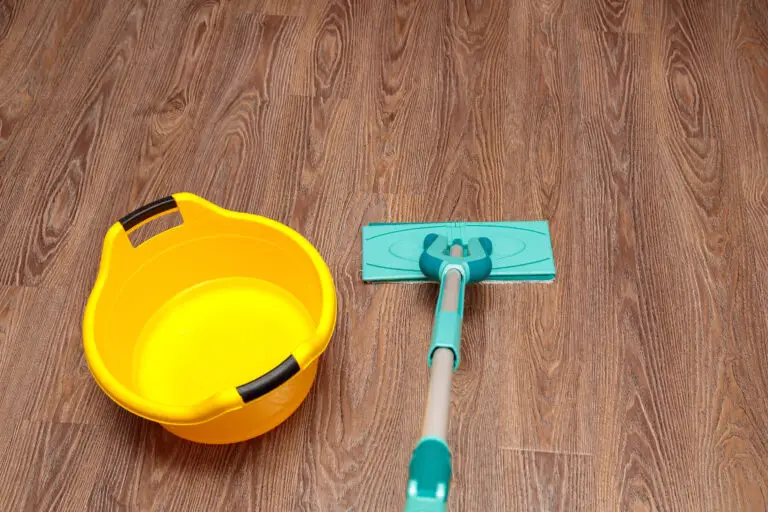
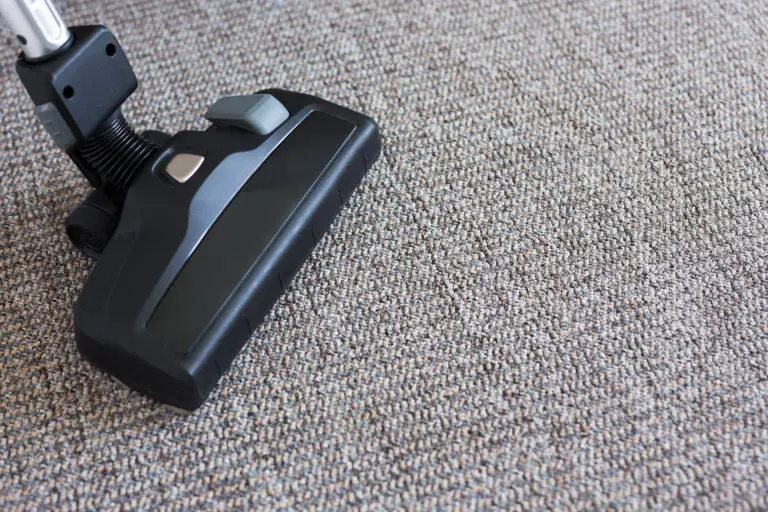
Using the wrong vacuum setting or attachment is a common mistake. For hardwood floors, use the floor brush attachment to avoid scattering dust. For carpets, ensure your vacuum has a HEPA filter to capture fine particles rather than blowing them back into the room.
Dust from top to bottom
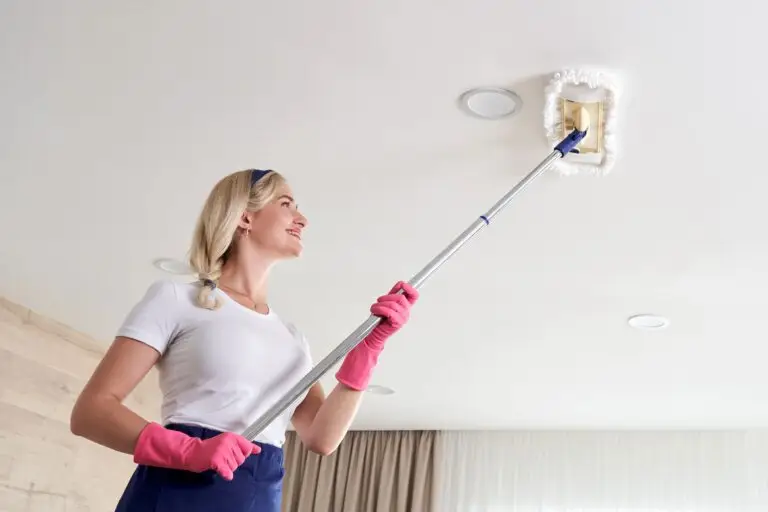
Gravity is your enemy. Always dust your ceiling fans, light fixtures, and top shelves before moving to lower surfaces. By working from the ceiling down to the floor, you ensure that any falling debris is captured during the final floor vacuuming step.
Wash bedding and soft surfaces
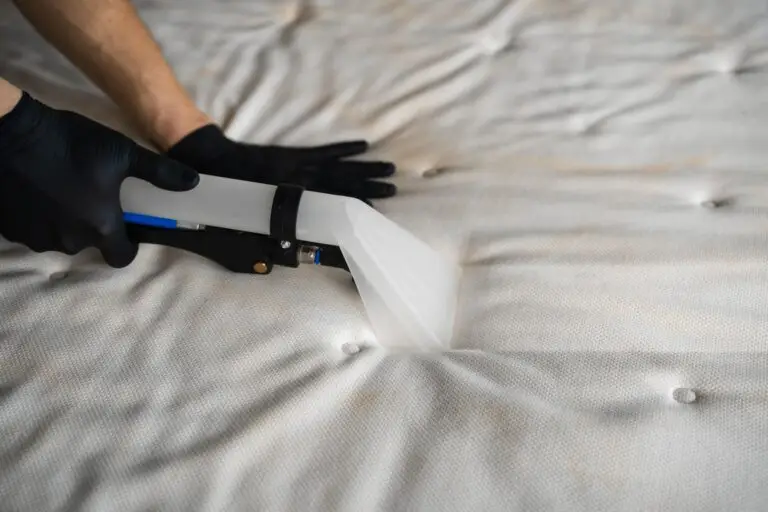
Linens, curtains, and throw pillows are major sources of fabric fibers. Washing these items every one to two weeks drastically reduces the “fuzz” that turns into thick, visible dust in your bedrooms.
Clean vents, fans, and filters
Check your HVAC filters monthly. A clogged filter cannot trap dust, causing it to recirculate through your vents. Also, wipe down the slats of your return-air vents weekly to keep the airflow clear.
How humidity, pets, and clutter affect dust
High humidity can make dust particles stick to surfaces, making them harder to remove, while low humidity can cause skin to flake more, increasing dust volume. Pets are a constant source of dander, and clutter is the ultimate dust trap. The more knick-knacks and stacks of paper you have, the more surface area there is for dust to hide on, making cleaning significantly slower and less effective.
Products and tools that help reduce dust
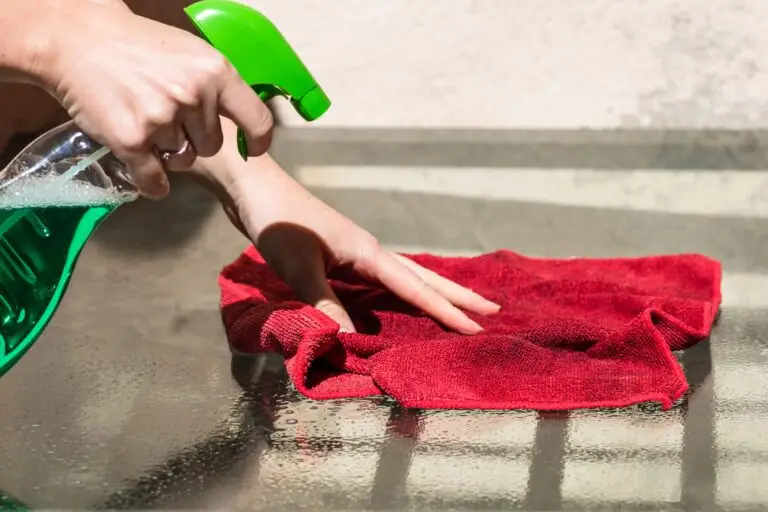
- Microfiber cloths: Unlike feather dusters that just move particles around, microfiber traps them.
- HEPA-filtered air purifiers: These machines act as an extra set of lungs for your home, pulling dust out of the air before it has a chance to settle.
- Walk-off mats: High-quality mats at every entrance significantly reduce the amount of grit tracked into your living spaces.
When recurring cleaning helps the most
Consistency is the secret to a dust-free home. While deep cleans are necessary, they are easier to maintain when supported by a recurring professional cleaning schedule. Regular visits ensure that hidden areas—like baseboards, behind furniture, and blinds—don’t become breeding grounds for dust, keeping your home in a constant state of freshness.
Dust-free home maintenance checklist
- Daily: Entrance shoe policy and quick entryway sweep.
- Weekly: Vacuum high-traffic areas, dust flat surfaces, and wipe air vents.
- Monthly: Replace or clean HVAC filters and dust ceiling fans.
- Seasonally: Deep clean curtains, wash throw pillows, and vacuum under heavy furniture.
If you find that your home still feels dusty despite your best efforts, Harmony Cleaning is here to provide the deep, professional cleaning your home deserves. Let us handle the maintenance so you can enjoy a spotless home every day. Contact us to schedule your next service.
FAQ
Why does my house get dusty so fast?
Your home may be dusty due to poor air filtration, frequent opening of windows, pet dander, or high amounts of soft materials like carpets and heavy drapes that shed fibers. Additionally, if your HVAC filter is clogged, dust will constantly recirculate through your home.
How often should I dust my home?
High-traffic areas and flat surfaces should be dusted weekly. Ceiling fans, vents, and harder-to-reach areas can be cleaned once or twice a month, depending on how quickly dust accumulates in your specific environment.
Do air purifiers reduce household dust?
Yes. Air purifiers with high-quality HEPA filters are excellent at capturing airborne particles, preventing them from settling on your furniture and floors. They are especially helpful in homes with pets or near high-traffic roads.
What cleaning schedule keeps dust under control?
A “top-to-bottom” cleaning schedule is best. Focus on dusting high surfaces once a week and vacuuming floors at least twice a week. Adding a deep-cleaning service to your routine once or twice a month ensures that dust doesn’t have the chance to accumulate in hidden, neglected areas.