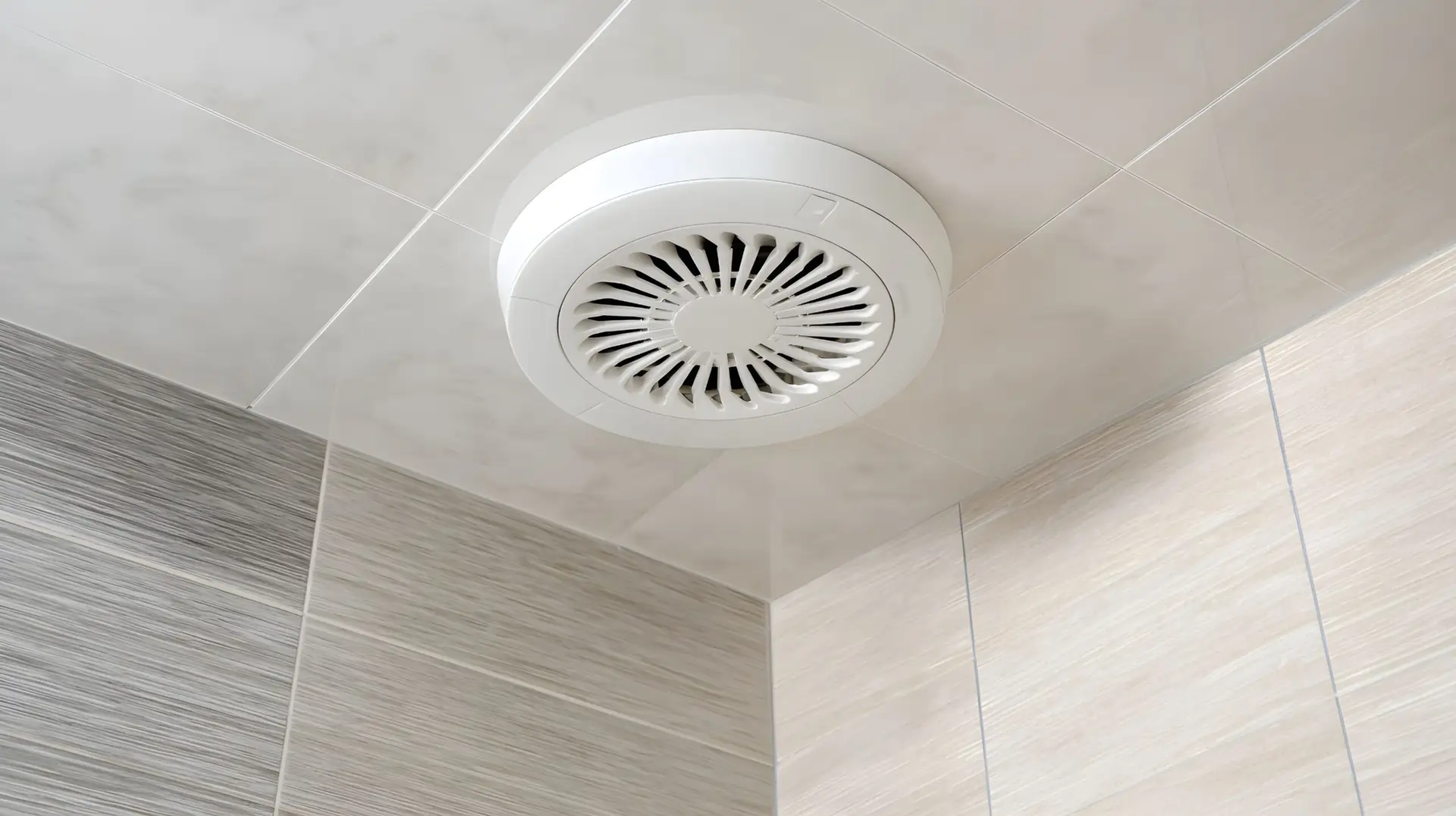
How to Clean a Bathroom Exhaust Fan Safely?
Quick Answer: Turn Off Power, Remove Dust, and Clean the Cover
The safest and most effective way to clean a bathroom exhaust fan is to turn off the circuit breaker, carefully pop down the plastic vent cover, wash away accumulated dust and grease with warm soapy water, and gently vacuum the interior fan blades before reassembling. Regular maintenance keeps your ventilation fan running quietly and efficiently, protecting your bathroom from excess moisture.
Why Bathroom Exhaust Fans Get Dirty
Dust
Moisture
Lint and Hair
Every time your exhaust fan runs, it pulls warm, humid air laden with microscopic dust particles, lint from bath towels, and stray hairs up into the housing. When that humid air meets the cooler motor parts, moisture condenses, binding the dust into a thick, gray sludge that coats the blades and vent cover over time.
How to Clean the Vent Cover
- Cut the Power: For safety, switch off the bathroom’s power at the main circuit breaker before touching any part of the fan unit.
- Remove the Cover: Gently pull down the plastic vent cover until you can see the metal spring clips. Pinch the springs together to release them from the housing slots.
- Wash the Cover: Submerge the plastic cover in a basin of warm water mixed with a few drops of dish soap. Wipe away dust and grime with a soft sponge, rinse thoroughly, and let it dry completely.
How to Clean Around the Fan Housing
Vacuum Attachment Method
Microfiber Cloth Method
While the cover is drying, use your vacuum cleaner’s soft brush attachment or crevice tool to carefully suck up loose dust bunnies from the motor housing and fan blades. If stubborn dust clings to the blades, wipe them down gently with a barely damp microfiber cloth. For top-tier techniques on eliminating dust and keeping high overhead areas spotless, explore our guides on The Best Way to Clean a Ceiling and the Best Way to Remove Dust From Your Home.
What Not to Do When Cleaning Bathroom Fans
Do Not Spray Water Into the Motor
Do Not Force Loose Parts
- Never Spray Liquid Directly: Keep liquids away from the electrical motor and wiring. Excess moisture inside the housing can cause electrical shorts or motor failure.
- Avoid Hasty Disassembly: Stick to cleaning the removable plastic cover and accessible surface blades. For safety, do not attempt to unbolt the entire motor assembly yourself.
How Often Should Bathroom Fans Be Cleaned?
You should vacuum and dust your bathroom exhaust fan cover every 6 months. If your bathroom experiences heavy usage, high humidity, or noticeable dust buildup, cleaning it every 3 to 4 months is ideal.
Partnering with Professional Cleaning Services
Safety note: recommend basic surface cleaning only and defer electrical issues.
Service angle: connect vent dust to bathroom maintenance and deep cleaning.
Internal linking note: use ceiling cleaning, dust, and mildew anchors.
Maintaining a clean exhaust fan is essential for keeping your bathroom fresh and dry. When dust and humidity accumulate unchecked, ventilation drops, creating a breeding ground for moisture-loving fungi—learn effective prevention strategies in our guide on How to Prevent Mildew in Bathrooms. While basic surface dust and vent cover washing are great DIY projects, always consult a licensed electrician if you notice strange humming noises, burning smells, or wiring issues. When tackling a comprehensive bathroom reset, professional cleaning services ensure every corner, fixture, and surface is thoroughly sanitized.
FAQ
Can you clean a bathroom exhaust fan yourself?
Yes! Homeowners can easily clean surface dust, wash plastic vent covers, and vacuum accessible fan blades. However, any internal wiring repairs or motor replacements should be left to a licensed professional.
How often should bathroom vent covers be cleaned?
Vent covers should be washed and the interior dusted every 6 months to ensure unobstructed airflow and prevent heavy lint buildup.
Does a dirty fan make mildew worse?
Yes. When a fan becomes choked with dust and lint, its airflow drops significantly. Poor ventilation leaves excess moisture trapped in the room after showers, accelerating mildew growth on walls and grout lines.