How to Prevent Mildew in the Bathroom Before It Starts?
Quick Answer: Reduce Moisture, Improve Airflow, and Clean Weekly
The most effective way to prevent mildew in the bathroom is to control excess moisture by running your exhaust fan, squeegeeing wet surfaces after every shower, and maintaining a consistent weekly cleaning routine. Because mildew and mold thrive in warm, damp, unventilated spaces enriched by organic soap residue, cutting off their moisture supply stops them from taking root.
Why Mildew Forms in Bathrooms
Moisture
Poor Ventilation
Soap Film and Residue
Bathrooms are naturally high-humidity environments. Every time you take a hot shower or bath, warm water vapor fills the air. When that moisture hits cooler walls, glass doors, and tile surfaces, it condenses into droplets. If the room lacks proper airflow, this trapped water mingles with lingering body oils, dead skin cells, and soap film, creating an ideal breeding ground for mildew.
Daily Habits That Help Prevent Mildew
Dry Shower Surfaces
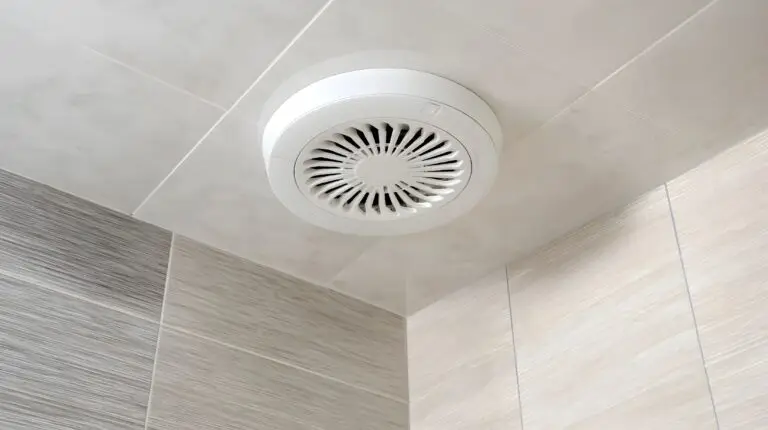
Use the Exhaust Fan
Keep Towels and Bath Mats Dry
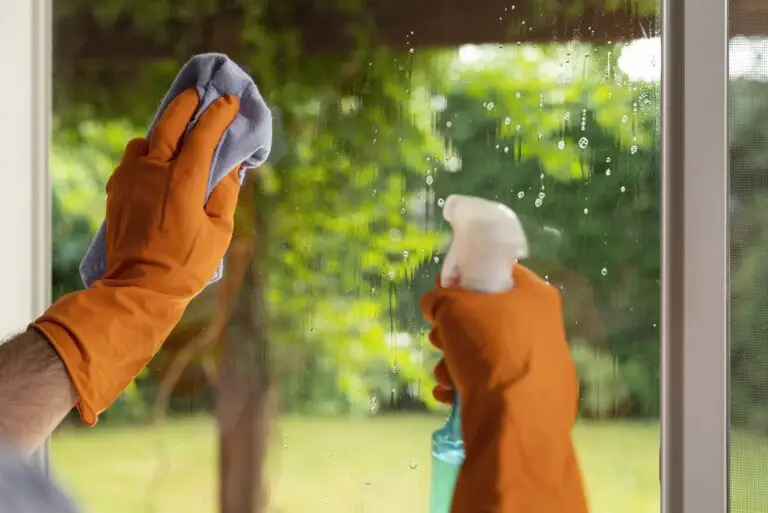
- Squeegee After Every Shower: Take 30 seconds to squeegee your shower walls and glass door to remove 90% of standing water before it can evaporate into the air.
- Run the Exhaust Fan Long Enough: Leave your bathroom ventilation fan running during your shower and for 20 to 30 minutes afterward to fully evacuate humid air. If you don’t have a fan, crack a window or use a small circulating fan.
- Hang Up Wet Linens: Spread out damp bath towels and rugs so they dry completely rather than staying rolled up in a humid heap.
Weekly Bathroom Cleaning Tasks
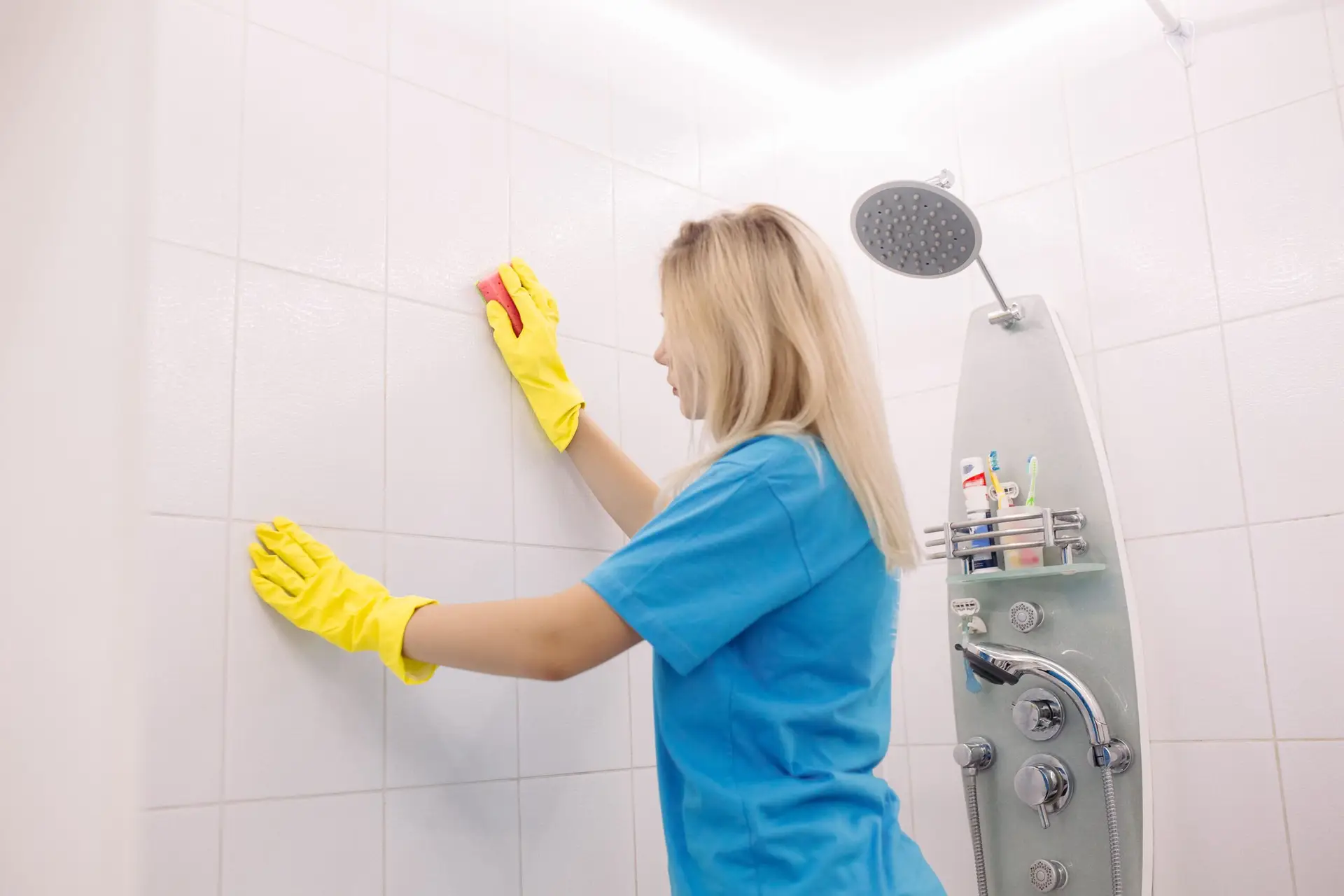
Tile and Grout
Shower Glass
Fixtures and Corners
Consistently wiping down surfaces removes the organic residue that mildew feeds on. Pay special attention to scrubbing porous lines and soap-prone glass—learn effective techniques in our guides on How to Clean Bathroom Tile and Grout and finding the Best Cleaner for Glass Shower Doors.
When Mildew Means You Need a Deeper Clean
Safety note: avoid diagnosing mold issues; keep focus on cleaning prevention.
While daily habits and weekly wipe-downs control everyday moisture, stubborn black spots can occasionally develop in neglected corners, textured caulking, or deep tile grout lines. If routine cleaning no longer keeps buildup at bay, or if you are preparing your home for seasonal maintenance, a comprehensive room reset is essential. To understand how intensive sanitization complements your daily moisture control, explore our insights on Deep Cleaning vs. Regular Cleaning House.
FAQ
What prevents mildew in bathrooms?
Consistent ventilation, keeping humidity low, wiping down wet shower walls after use, and removing organic soap scum weekly are the most effective ways to prevent mildew.
Does cleaning prevent bathroom mold?
Yes. Regular cleaning eliminates the dirt, skin cells, and soap residue that spores feed on, stopping mold and mildew colonies from establishing themselves on your bathroom surfaces.
How often should showers be cleaned to prevent mildew?
A quick daily squeegee and wipe down should be paired with a thorough weekly cleaning of your shower walls, glass doors, and fixtures to keep mildew completely at bay.