Best Cleaner for Fabric Chairs: What to Use and Avoid?
Choosing the wrong cleaner can lead to permanent water rings, fiber degradation, or color fading. At Harmony Cleaning, we see many “DIY disasters” that could have been avoided with a better understanding of chemical compatibility. This guide will help you navigate the world of upholstery cleaners and ensure your furniture stays in pristine condition.
What Makes a Good Fabric Chair Cleaner?
A high-quality upholstery cleaner should be pH-neutral, free of harsh bleaching agents, and designed to lift dirt to the surface without requiring excessive saturation. It should also be quick-drying; the faster the fabric dries, the less likely it is to develop mold or mildew in the underlying padding.
Best Cleaner Types for Fabric Chairs
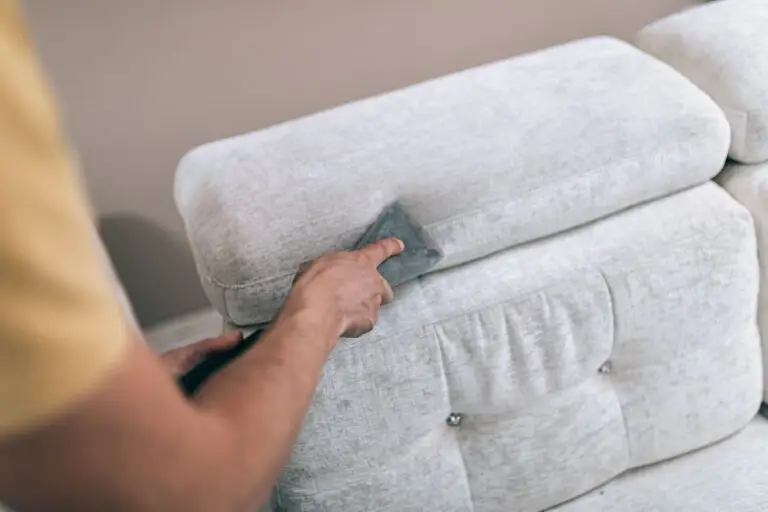
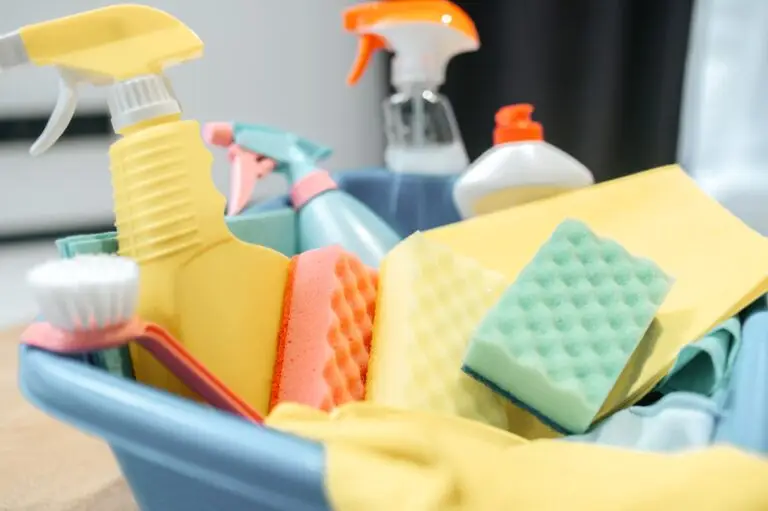
- Upholstery Sprays: Generally foam-based, these are designed to be “dry” cleaners that break down surface grime without soaking the cushion.
- Mild Soap and Water: The gold standard for “W” code fabrics. Use clear, fragrance-free dish soap to prevent residue buildup.
- Enzyme Cleaners: These are non-negotiable for pet stains. Enzymes digest organic proteins (urine, vomit, food) that regular soaps simply mask.
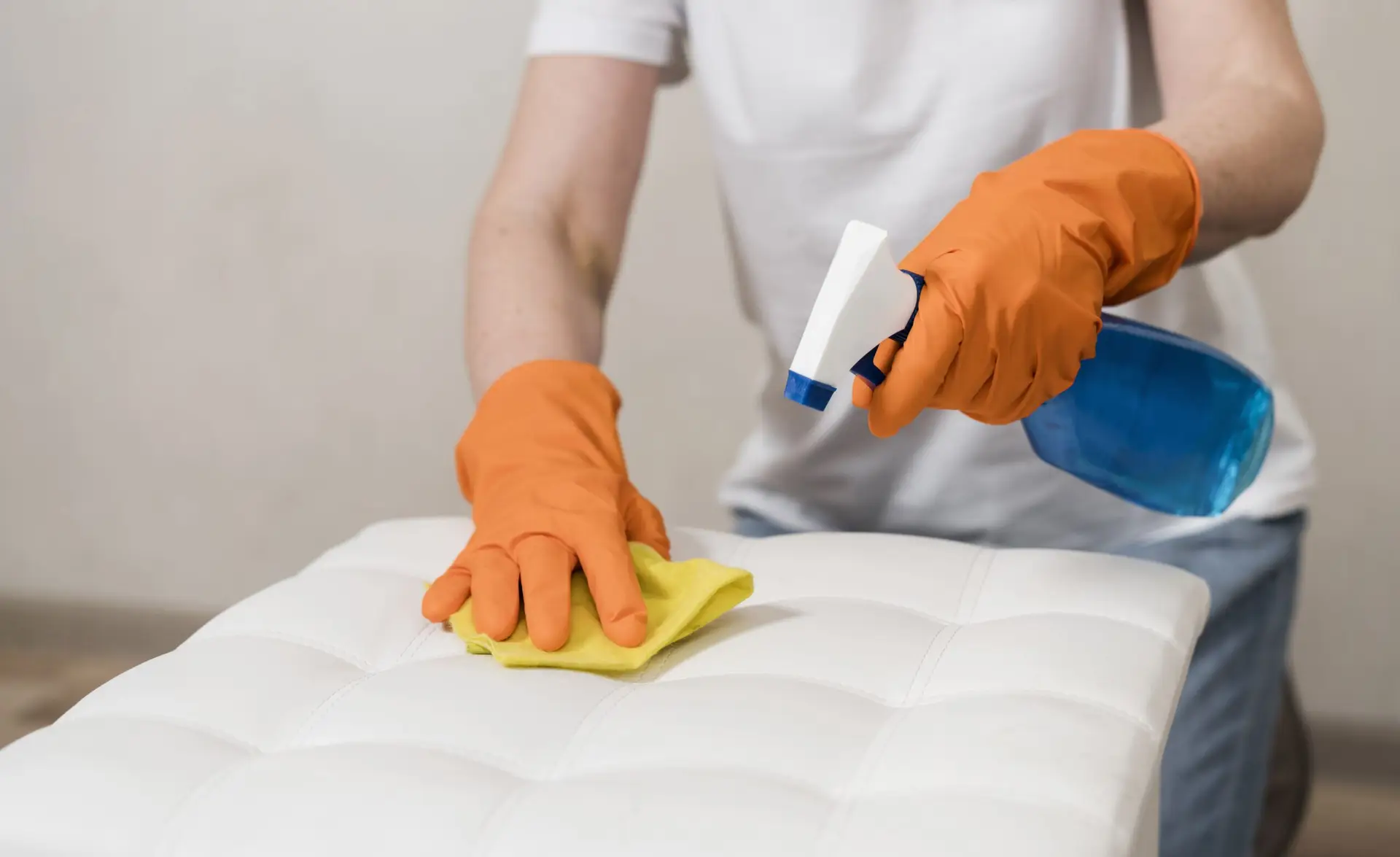
- Fabric-Safe Stain Removers: Look for products specifically labeled “upholstery safe.” Avoid all-purpose cleaners or heavy-duty grease fighters unless the fabric is extremely durable.
How to Choose a Cleaner Based on Fabric Type
- Synthetic Upholstery (Microfiber/Polyester): These are the most resilient. They generally handle mild water-based detergents well.
- Cotton and Linen Blends: Natural fibers are prone to shrinkage and water staining. Use minimal moisture and stick to professional-grade solvent cleaners when possible.
- Delicate or Vintage Fabrics: These often require “S” code care. Do not use household cleaners; stick to dry-cleaning methods or professional attention.
Best Cleaner for Everyday Maintenance
For general freshening, a mixture of two parts distilled water to one part white vinegar is often the safest “everyday” solution for “W” fabrics. It cuts through dust and body oils without leaving a sticky soap residue that attracts new dirt.
Best Cleaner for Deep Stains
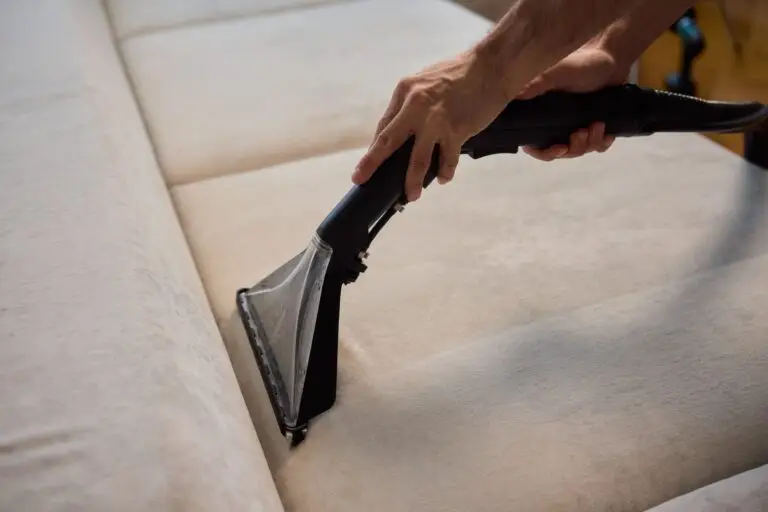
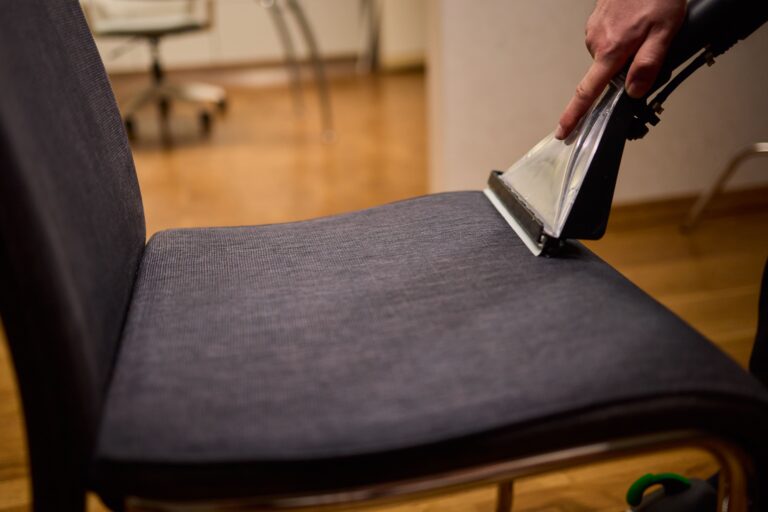
For deep, set-in stains, avoid harsh scrubs. Instead, use a specialized upholstery extraction cleaner. If you don’t own an extraction machine, rely on a foam-based spot cleaner that allows you to blot the stain out without forcing it deeper into the padding.
Natural Cleaning Solutions for Fabric Chairs
- Distilled Water: Always use distilled. Tap water contains minerals that can cause yellow water rings on light-colored fabrics.
- Baking Soda: Excellent for absorbing odors. Sprinkle it lightly on dry fabric, let it sit for 20 minutes, and vacuum it up thoroughly.
- Club Soda: The carbonation can help lift fresh, light stains, but it is not a substitute for deep cleaning.
Cleaners You Should Avoid on Upholstery
- Bleach: It will strip the color and weaken the fibers of almost any upholstery fabric.
- Colored Dish Soaps: The dyes can transfer to your light-colored fabric.
- Generic All-Purpose Sprays: Many contain harsh degreasers that leave an oily residue or bleach out local areas.
- Ammonia: Often too harsh and can cause significant color shifts in sensitive fibers.
How to Test a Fabric Cleaner Before Using It
- Locate an area of the chair that is never seen (e.g., the bottom back or under the skirt).
- Apply a small amount of the cleaner to a white cloth.
- Blot the fabric.
- If color transfers to the cloth, stop immediately.
- Let it air dry. If the fabric texture changes, stiffens, or rings appear, do not use the product on the rest of the chair.
Professional Upholstery Cleaning vs DIY Products
DIY products are excellent for spot cleaning, but they cannot replicate the power of a professional extraction machine. Home cleaners often leave behind a soapy residue that attracts dirt like a magnet. Professional services from Harmony Cleaning use high-powered extraction to rinse the fibers thoroughly, leaving the upholstery truly clean and residue-free.
FAQ
What is the best cleaner for fabric chairs?
The “best” is always determined by the manufacturer’s cleaning code (W, S, WS, or X). Always check the label before selecting a product.
Can I use carpet cleaner on fabric chairs?
Generally, no. Carpet cleaners are often too aggressive and formulated for much tougher, synthetic fibers. They may leave a heavy residue on delicate upholstery.
What removes stains from upholstery?
The specific solution depends on the stain. For food, a mild detergent; for organic stains, an enzyme cleaner; for ink or oil, professional solvent cleaners are usually required.
Is hydrogen peroxide safe for fabric chairs?
Not typically. Peroxide is a mild bleach and can cause permanent white or yellow spots on colored fabrics.
How do I remove odors from fabric chairs?
Vacuum thoroughly to remove embedded debris, then lightly dust with baking soda. Let it sit for 20 minutes before vacuuming it away. For pet-related odors, an enzyme cleaner is required.
Professional Cleaning for Lasting Beauty
When household products aren’t enough, Harmony Cleaning is here to help. We use industry-leading, fabric-safe technology to ensure your chairs look new without the risk of damage.
Book your expert upholstery assessment with Harmony Cleaning today!