How to Clean Glass Shower Doors Without Streaks?
Nothing defines a fresh, high-end bathroom quite like perfectly clear, sparkling glass shower doors. However, glass is notorious for trapping hard water minerals, soap scum, and oils that lead to those frustrating streaks. If your shower looks cloudy even after a scrub, it’s time to upgrade your technique.
At Harmony Cleaning, we’ve perfected a method that doesn’t rely on harsh, caustic chemicals. Here is our professional-grade guide to achieving a streak-free finish that lasts.
Quick Answer: The Best Streak-Free Method
The secret to streak-free glass isn’t just the product—it’s the dwell time and the final buff. Use a mixture of warm water, white vinegar, and a small drop of dish soap. Let it “dwell” on the glass for 10–15 minutes to break down minerals, scrub gently with a non-scratch sponge, rinse thoroughly, and immediately squeegee or buff dry with a high-quality microfiber cloth.
Why Glass Shower Doors Get Cloudy, Spotted, and Streaky
Glass is naturally porous on a microscopic level. Minerals in your water (calcium and magnesium) bond with soap residue to create a “soap scum” film.
- Hard Water: Leaves behind white, crusty mineral deposits.
- Soap Scum: Fats and oils from bar soap create a greasy film that attracts dust and dirt.
- Etching: Over time, if mineral buildup isn’t removed, it can actually “etch” into the glass, creating permanent cloudiness that no cleaner can fix.
Supplies You Need
Before you start, gather these essentials:
- Distilled white vinegar: The best natural solvent for mineral deposits.
- High-quality dish soap: Cuts through greasy soap scum.
- Spray bottle: For even application.
- Non-scratch sponge: Avoid green abrasive pads, which can leave permanent scratches.
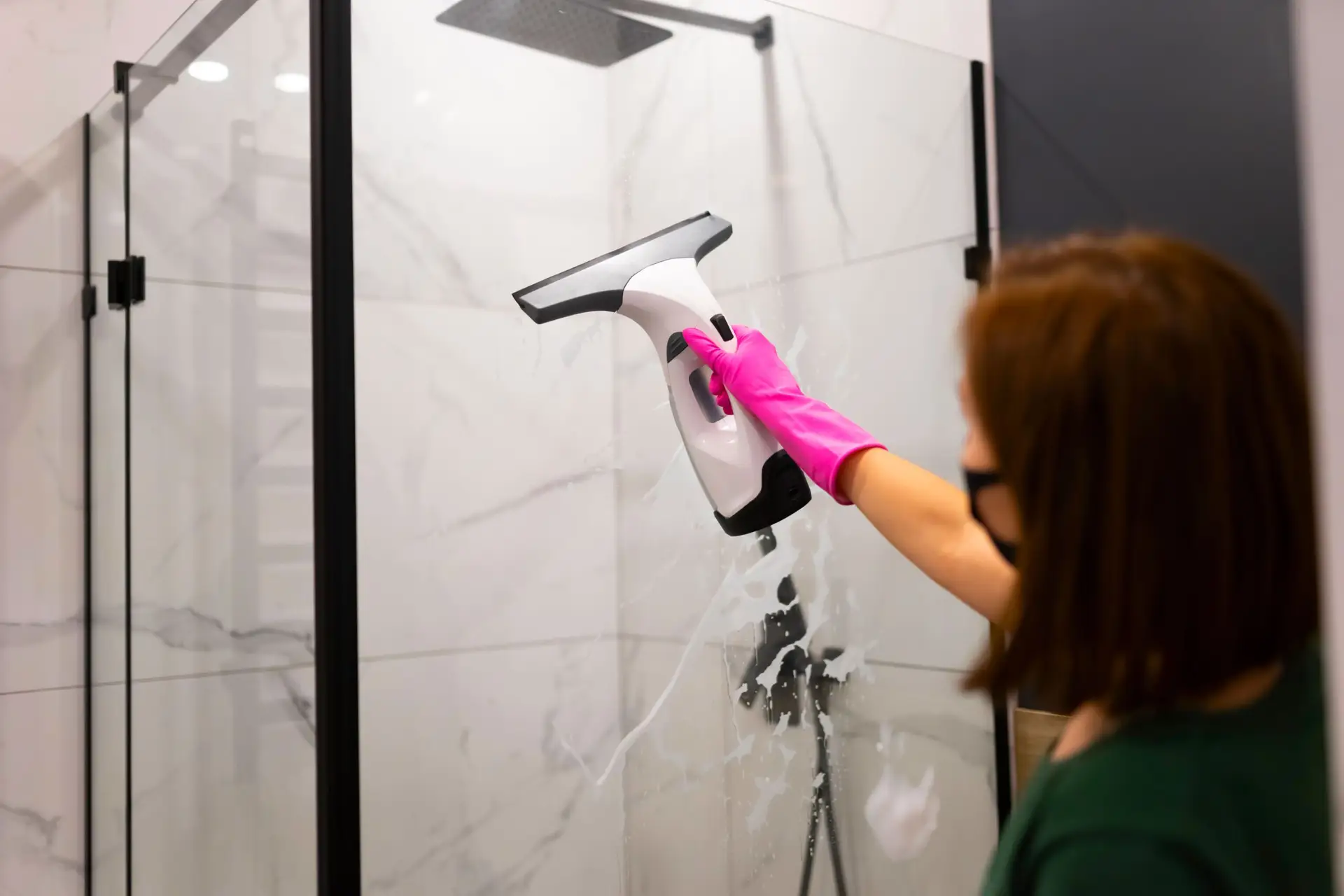
- Squeegee: Your best friend for preventing streaks.
- Microfiber cloths: Choose lint-free cloths for the final buff.
The Harmony Cleaning Step-by-Step Process
1. Pre-rinse and Loosen Soap Scum
Start by rinsing the glass with warm water. This removes surface-level grit that could cause micro-scratches during the scrubbing phase.
2. Apply the Right Cleaner Safely
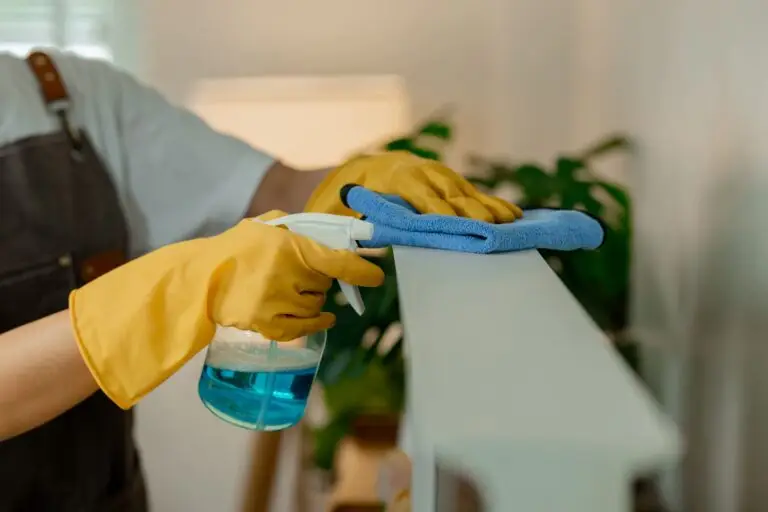
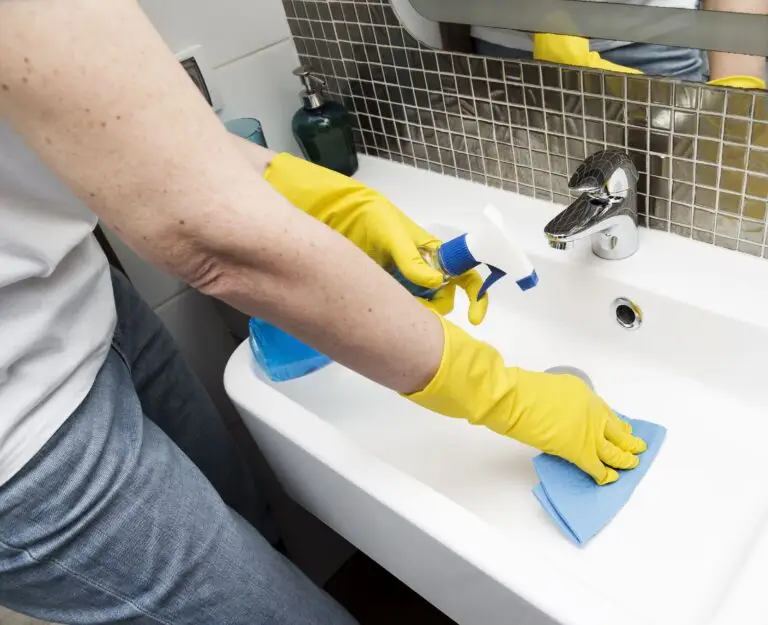
Mix a solution of equal parts white vinegar and warm water, plus a few drops of dish soap. Spray the glass from top to bottom.
- Pro Tip: Let the solution dwell for 10–15 minutes. Vinegar needs time to dissolve minerals. If it begins to dry, give it another light mist to keep it active.
3. Scrub Edges, Corners, and Tracks
Using your non-scratch sponge, gently work the cleaner in circular motions. Pay special attention to the bottom edges and the frame/track, where water pools and collects the most grime.
4. Rinse, Squeegee, and Dry Correctly
Rinse with warm water. Do not let the glass air dry. Air drying is the #1 cause of streaks and spots. Use a squeegee starting from the top, pulling down in straight lines, then finish by buffing any remaining moisture with a clean, dry microfiber cloth.
Natural Cleaners vs. Store-Bought
- Natural (Vinegar/Dish Soap): Safest for your health and most glass coatings. It’s highly effective for maintenance and light-to-moderate buildup.
- Store-Bought: Often contain ammonia or harsh solvents. These can strip protective glass coatings (like factory-applied “easy-clean” layers) and dull metal hardware over time. Only use these if the manufacturer specifically approves them.
Common Mistakes That Leave Streaks
- Cleaning in Direct Sun/Heat: Cleaning while the glass is hot or in direct sunlight causes the liquid to evaporate too fast, leaving residue behind.
- Spraying the Glass Directly: Spraying the glass allows the cleaner to seep into the door seals and hinges, which can corrode metal over time. Instead, spray your cloth or sponge and wipe the glass.
- Using Abrasive Tools: Never use steel wool or harsh green scouring pads, as these will permanently mar the glass finish.
How to Keep Shower Doors Cleaner Longer
- The Squeegee Rule: Keep a squeegee in the shower. A 30-second wipe-down after every use prevents minerals from settling into the glass.
- Switch Your Soap: Bar soaps are the primary culprit for thick, waxy scum. Switching to a liquid body wash can significantly reduce buildup.
- Apply a Hydrophobic Coating: Once the glass is perfectly clean, apply a glass water repellent (like Rain-X). This creates a barrier that forces water to bead and roll off, carrying dirt with it.
When Professional Deep Cleaning Makes Sense
If you have “etched” glass—where the surface looks permanently foggy regardless of how clean it is—you may need a professional. At Harmony Cleaning, we use specialized non-abrasive polishes and professional techniques to restore glass that has been neglected for years. If your hard water buildup has become “crusty,” a one-time professional deep clean can provide the reset button you need to restart your maintenance routine.
FAQ
- Can vinegar damage shower glass? Not standard glass, but it can damage natural stone (marble/travertine) surrounds. Always protect your stone or tile before spraying vinegar nearby.
- How often should I clean glass shower doors? A light squeegee wipe daily and a thorough vinegar clean once a week is the “gold standard” for a spotless look.
- What removes hard water stains from shower doors? The acidic nature of white vinegar or citric acid is the most effective way to dissolve calcium and magnesium deposits.
- Why do my shower doors look streaky after cleaning? Usually, it’s because you allowed the cleaner to air dry or used a cloth with fabric softener residue, which leaves a film on the glass.
Need a professional touch?
Tired of scrubbing and not seeing the results you want? Let the experts at Harmony Cleaning handle the grime. Contact us today to schedule your professional deep cleaning!
Want to stay ahead of the mess? Check out our Maintenance Cleaning Checklist for more pro-tips.