How to Clean Kitchen Backsplashes by Material Type?
Quick Answer: Match the Cleaner to the Surface
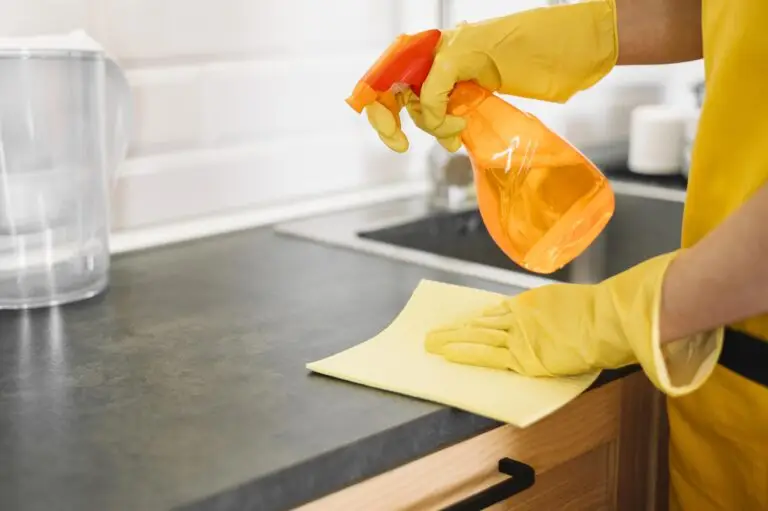
The most effective way to clean a kitchen backsplash is to match your cleaning solution to your specific material type, whether it is ceramic tile, glass, natural stone, or painted drywall. Because backsplashes sit directly behind your stove and sink, they absorb daily splashes of oil, water, and food particles. Using the right cleaner lifts stubborn grease instantly without dulling polishes, stripping paint, or etching natural stone.
Why Backsplashes Need Surface-Specific Cleaning
Grease Buildup
Food Splatter
Grout Lines and Seams
As you cook, microscopic oil droplets and sauce spatters travel upward, baking onto your backsplash over time. If left unattended, this film hardens and traps household dust, turning a simple wipe-down into a major scrubbing job. Furthermore, porous grout lines absorb grease and moisture, making specialized care essential for maintaining a clean finish.
How to Clean Tile Backsplashes
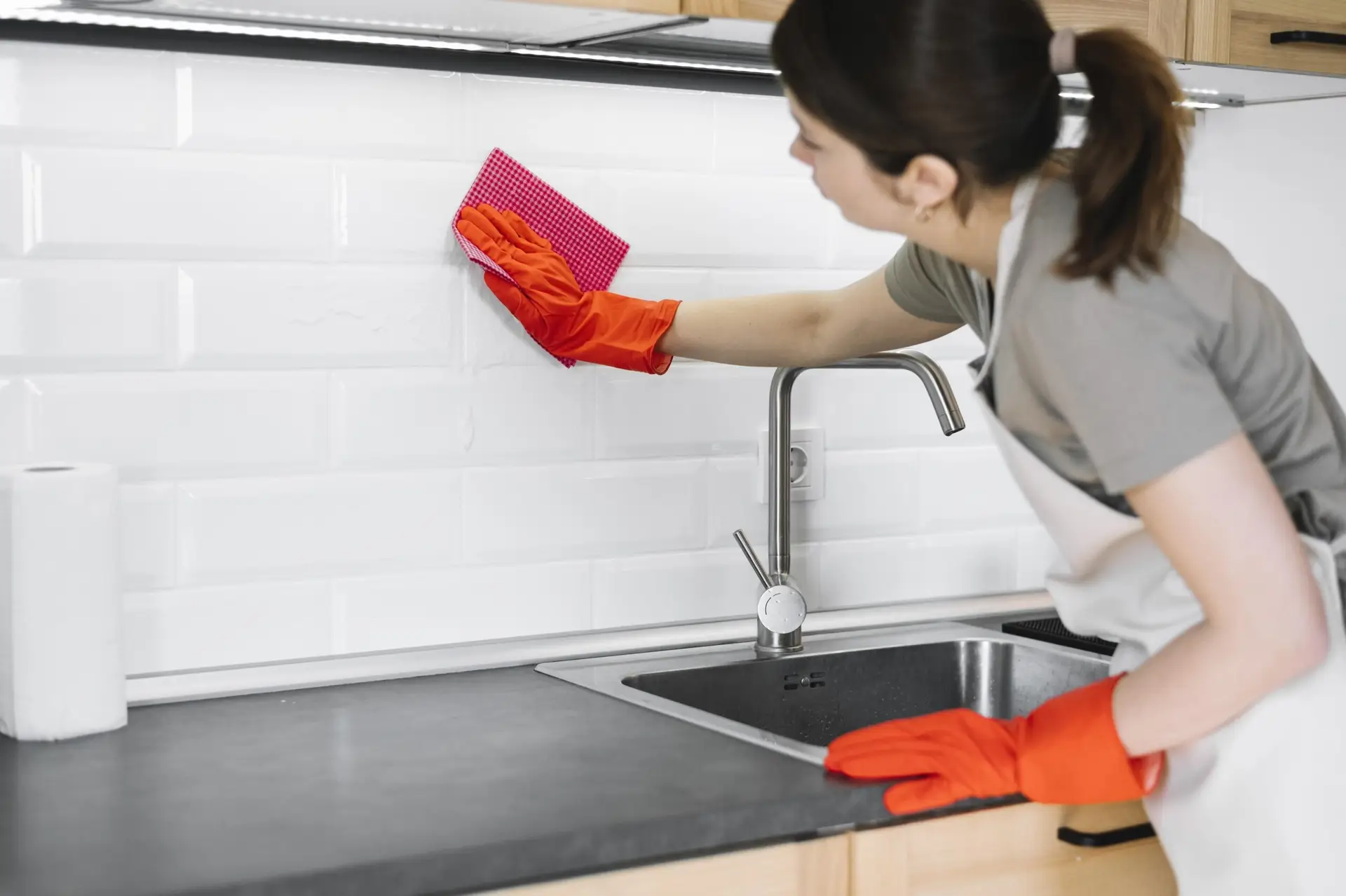
For ceramic or porcelain tile, mix warm water with a few drops of grease-cutting dish soap. Use a non-scratch sponge or microfiber cloth to wipe down the surface. To deep-clean discolored grout lines, apply a paste of baking soda and water, let it sit for 10 minutes, and scrub gently with a soft-bristled brush before rinsing clean.
How to Clean Glass Backsplashes
Glass backsplashes offer a sleek, modern look that is remarkably easy to maintain because they lack porous grout lines. Spray the glass with an ammonia-free glass cleaner or a 50/50 mixture of white vinegar and water, then buff dry with a clean microfiber cloth to prevent streaks and water spots.
How to Clean Stone Backsplashes
Why Acidic Cleaners Can Be a Problem
Material note: include natural stone warnings for acidic products.
If your backsplash features natural stone like marble, travertine, or limestone, you must exercise extreme caution. Never use acidic cleaners such as vinegar, lemon juice, or commercial bathroom descalers. Acid instantly etches and permanently dulls calcium-based natural stone. Instead, clean stone backsplashes using a damp microfiber cloth and a mild, pH-balanced stone cleaner or a drop of pH-neutral dish soap.
How to Clean Painted or Sealed Backsplashes
For backsplashes featuring painted drywall or specialty wallpaper sealed behind a stove, use a barely damp cloth with a tiny drop of mild soap. Avoid aggressive scrubbing or harsh chemical degreasers, which can strip protective clear coats, soften paint, or cause bubbling.
How Often Should You Clean a Kitchen Backsplash?
Give your backsplash a quick wipe down with a damp cloth after every heavy cooking session to prevent grease from hardening. A thorough cleaning of the entire surface and grout lines is recommended every month.
Partnering with Professional Cleaning Services
Service angle: position kitchen detail cleaning as part of deep cleaning.
Internal linking note: connect to counters, floors, and cabinet cleaning.
Maintaining a spotless kitchen requires looking at the room as an interconnected ecosystem. While wiping your backsplash handles the vertical surfaces, keeping your kitchen truly pristine means treating surrounding zones with equal care—explore our recommendations in Best Cleaner for Kitchen Counters by Surface Type, What Is the Best Kitchen Floor Cleaner?, and How to Clean Kitchen Cabinets. When grease and cooking film accumulate across multiple surfaces, scheduling a professional deep clean ensures your entire kitchen is restored to an immaculate, sparkling finish.
FAQ
What is the best cleaner for a kitchen backsplash?
For most ceramic, porcelain, or glass backsplashes, warm water mixed with a grease-cutting dish soap is the safest and most effective everyday cleaner.
Can vinegar damage backsplash tile?
White vinegar is generally safe for ceramic tile and glass, but it should never be used on natural stone like marble or limestone, as its acidity will etch and ruin the stone’s polished finish.
How do you remove grease from backsplash grout?
Apply a paste made from baking soda and warm water directly to the grout lines, let it sit for 10 to 15 minutes to lift the oil, scrub gently with a soft toothbrush, and rinse with clean water.