How to Clean a Washing Machine and Prevent Odors?
Quick Answer: Run a Cleaning Cycle and Wipe Hidden Areas
The best way to clean a washing machine and eliminate musty odors is to run a hot-water maintenance cycle with a specialized washer cleaner or white vinegar, wipe out the rubber door gasket, and clean the detergent dispenser drawer. Regular cleaning removes trapped mold, soap scum, and fabric softener buildup that accumulates out of sight.
Why Washing Machines Start to Smell
Detergent Residue
Moisture in the Drum
Dirty Gaskets and Dispensers
Modern washing machines are designed to be energy-efficient, using less water during wash cycles. However, this means detergent and fabric softener residue aren’t always completely rinsed away. When combined with trapped moisture inside a closed drum and dead skin or lint from laundry, this residue creates a breeding ground for mold and mildew.
How to Clean a Front-Load Washing Machine
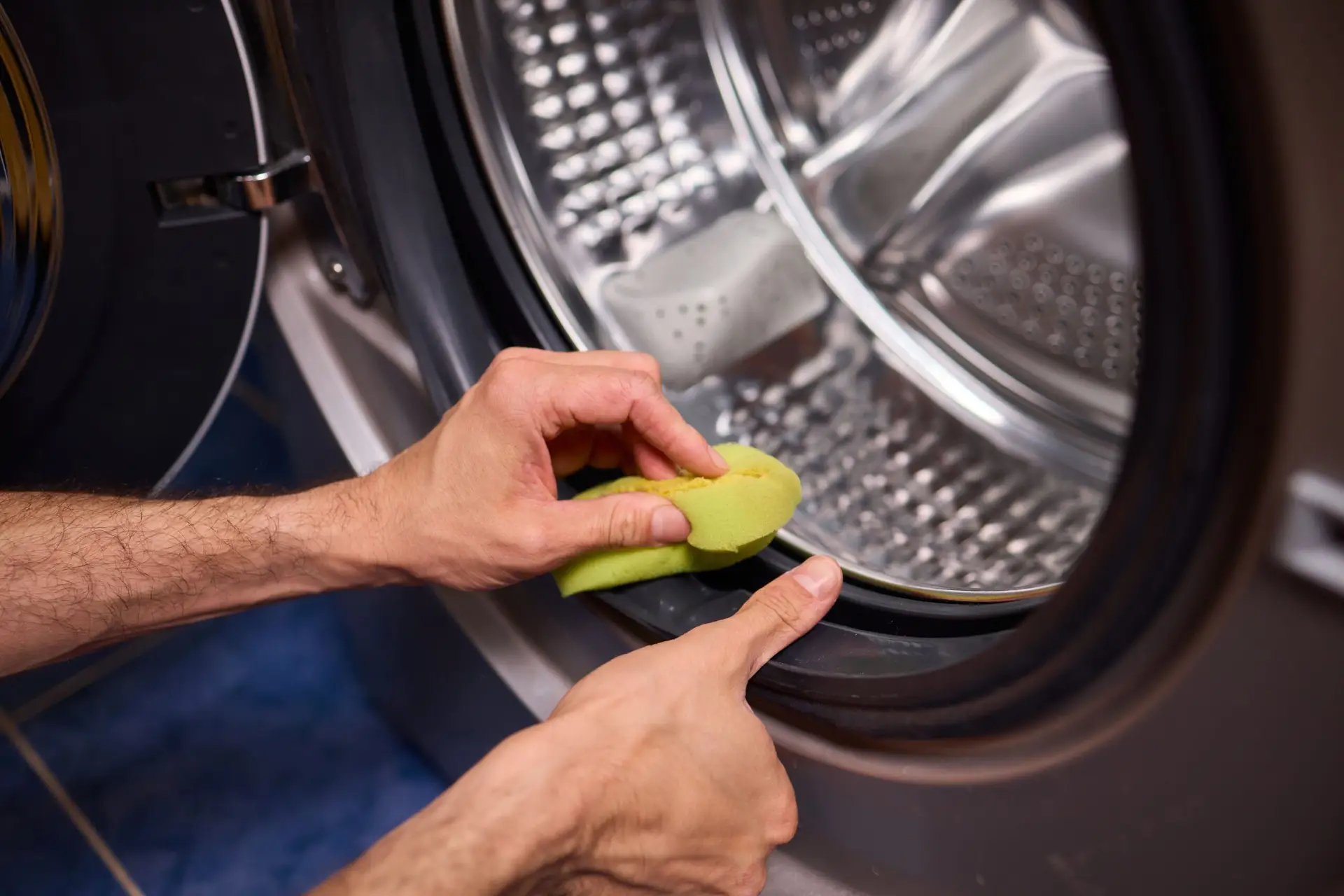
Clean the Gasket
Wash the Detergent Drawer
Run a Hot Cleaning Cycle
- Wipe the Rubber Gasket: Carefully pull back the folds of the rubber door seal. You will often find trapped hair, lint, mold, and sludge. Wipe it clean with a solution of equal parts water and white vinegar.
- Clean the Dispenser Drawer: Remove the soap and softener tray completely (most have a small release tab) and scrub away any slimy residue or hardened detergent under warm running water.
- Run a Maintenance Cycle: Add a washing machine cleaner tablet (or 2 cups of white vinegar in the drum and baking soda in the detergent tray) and run the hottest, longest cycle available.
How to Clean a Top-Load Washing Machine
For top-load washers, fill the tub with the hottest water setting, add 4 cups of white vinegar (and optionally 1 cup of baking soda), and let the machine agitate for a few minutes. Pause the cycle and let the solution sit for an hour to break down mineral deposits and scum, then resume and finish the cycle. Use a soft brush or toothbrush to clean around the agitator base and lid rim.
How to Prevent Washing Machine Odors
Leave the Door Open
Use the Right Amount of Detergent
Wipe After Heavy Laundry Loads
- Leave the Door Open: Always leave the washer door or lid cracked open after a cycle finishes to allow the drum to air out and dry completely.
- Use Less Detergent: Over-dosing liquid detergent creates thick suds that leave heavy residue behind. Follow manufacturer guidelines—usually, two tablespoons of high-efficiency (HE) detergent is more than enough.
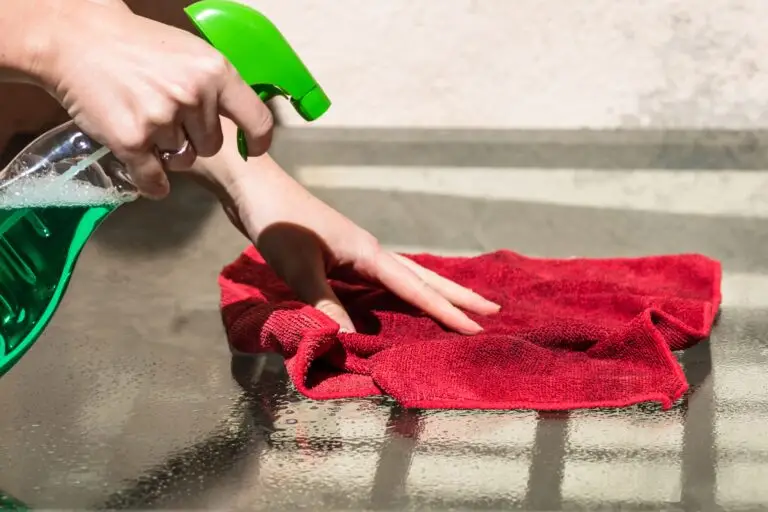
- Wipe Down Surfaces: Quickly run a dry microfiber cloth across the rubber seal and door glass after your final load of the day.
Partnering with Professional Cleaning Habits
Safety note: follow appliance manufacturer instructions.
Service angle: position appliance wipe-downs as part of kitchen and laundry maintenance.
Internal linking note: connect to cleaning supplies and weekly checklist pages.
Maintaining your laundry appliances is a crucial step in keeping your entire home fresh. For effective surface care, ensure your utility caddy is stocked with the items outlined in our guide on Cleaning Supplies Every Home Should Have. Furthermore, incorporating appliance wipe-downs into your broader housekeeping routine ensures no room is neglected—explore how to structure these tasks alongside your room maintenance in The Ultimate Weekly House Cleaning Checklist. Always consult your specific appliance manual before using aggressive chemical cleaners.
FAQ
What is the best way to clean a washing machine?
The best approach combines running a hot self-cleaning cycle with white vinegar or a specialty washer tablet, thoroughly scrubbing the removable soap dispenser drawer, and wiping out the rubber door seal.
Why does my washer smell after cleaning?
If a smell persists, mold or mildew may still be trapped deep within the outer tub or drain hose where a standard cycle cannot reach. Running a second hot cycle with liquid chlorine bleach (if recommended by your manual) or inspecting the drain filter usually resolves the issue.
Can vinegar damage a washing machine?
Using white vinegar occasionally to descale and deodorize is generally safe for most machines. However, running extremely acidic solutions too frequently can degrade rubber hoses and seals over time, so stick to recommended maintenance intervals.