How to Clean Fabric Chairs at Home? The Expert’s Guide
Fabric chairs are the unsung heroes of interior design, adding warmth and comfort to our dining rooms and home offices. However, because upholstery absorbs dust, allergens, and oils, they require a more thoughtful approach than hard surfaces. At Harmony Cleaning, we believe in a “safety-first” philosophy. Before you touch your fabric with a drop of water, you must understand its unique fiber anatomy.
Before You Start: Check the Fabric Cleaning Code
Every upholstered piece carries a manufacturer’s cleaning tag, usually found under the seat cushion or frame. Ignoring this code is the fastest way to ruin your furniture.
- W (Water): The safest fabric. It can be cleaned with water-based solutions.
- S (Solvent): Water is the enemy here. Use only professional, anhydrous (water-free) dry-cleaning solvents.
- WS (Water/Solvent): You can use both, but proceed with caution.
- X (Vacuum Only): The most delicate. Do not use liquids. Professional service is required.
Why Spot Testing Matters: Even if a code says “W,” dyes can sometimes bleed. Always test your cleaning solution on an inconspicuous area (like the back of the leg) and wait for it to dry completely before treating the main surface.
Best Supplies for Cleaning Fabric Chairs
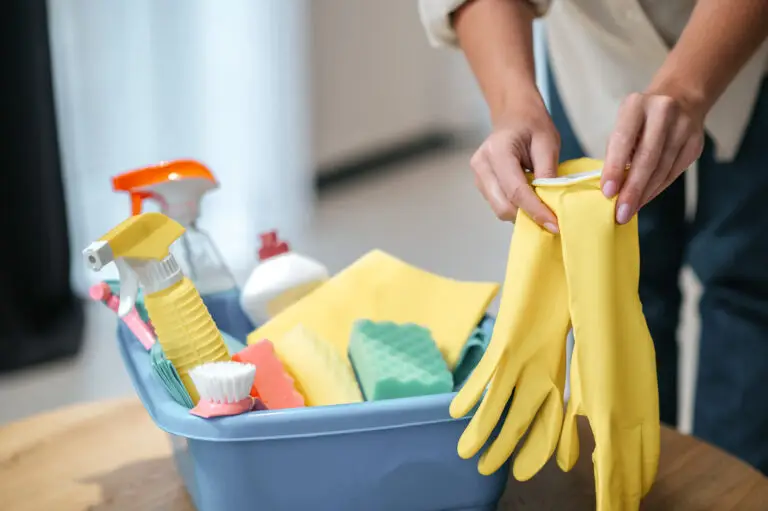
To maintain the integrity of your fibers, avoid heavy-duty household chemicals. Instead, keep a “Upholstery Kit” on hand:
- Vacuum with upholstery attachment: Essential for removing debris before it gets embedded.
- White vinegar and distilled water: A versatile, gentle cleaner for “W” codes.
- Mild clear dish soap: For organic stains.
- Clean, white microfiber cloths: Colored cloths can transfer dye to your fabric.
- Soft-bristled upholstery brush: To lift fibers gently.
How to Vacuum Fabric Chairs Properly
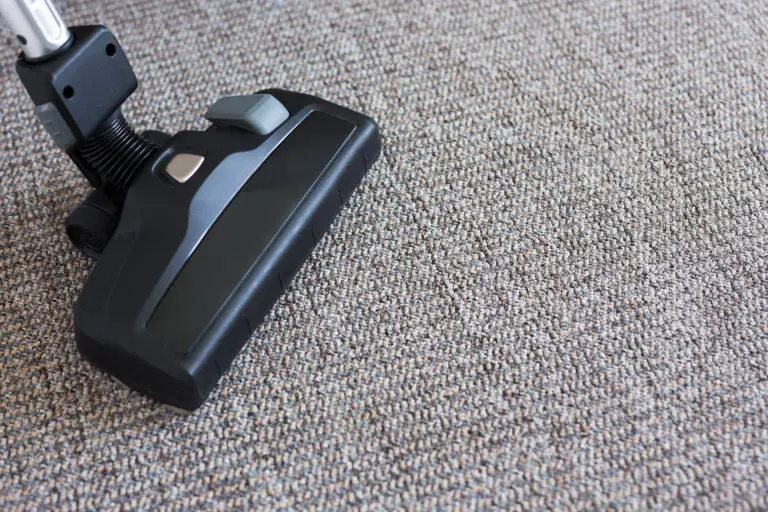
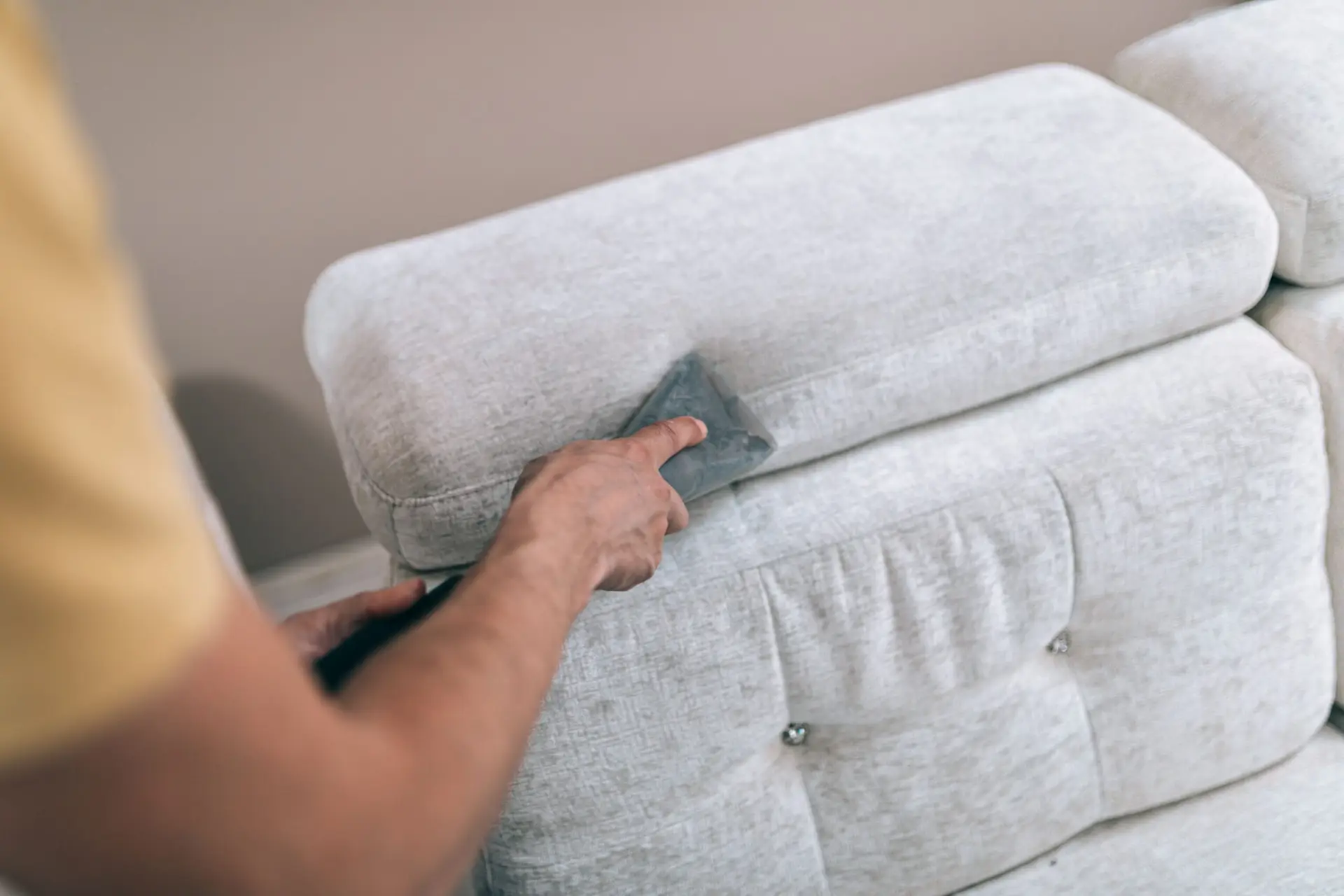
Vacuuming is the most effective preventative maintenance. Use the upholstery attachment to work in a grid pattern. Start at the top of the chair and work down. Don’t forget the crevices—use the crevice tool to reach deep into the folds where crumbs, pet hair, and allergens congregate, as these act like sandpaper, wearing down fabric fibers over time.
Step-by-Step: How to Clean Fabric Chairs at Home
- Dust Removal: Vacuum the entire chair thoroughly.
- Pre-Treat Stains: Gently blot the specific stain with your cleaning solution.
- Mild Application: Lightly mist the chair if doing a refresh, or apply the solution directly to the cloth, not the chair, to avoid overwetting.
- The Art of Blotting: Never scrub or rub. Scrubbing pushes dirt deeper into the cushion and can fray or “pill” the fabric. Blotting lifts the dirt up and out.
- Drying Time: Proper airflow is key. Speed up drying with a floor fan directed at the chair, but avoid direct heat sources like hair dryers, which can shrink or stiffen some fabrics.
How to Remove Common Stains From Fabric Chairs
- Food Stains: Gently remove solids with a dull knife. Blot with a mix of mild dish soap and cool water.
- Drink Stains: For coffee or juice, blot immediately with white vinegar and water. The acidity helps lift the tannins.
- Pet Stains: These require enzymatic cleaners. Standard soaps will only clean the surface; enzymes break down the organic proteins that cause lingering odors.
Can You Steam Clean Fabric Chairs?
Steam cleaning is effective but risky. It is only safe for “W” or “WS” fabrics. If you use a home steam cleaner, never stay in one spot too long, as excess heat can melt synthetic fibers or shrink natural fibers like linen. Always test in an inconspicuous area first.
How Often Should Fabric Chairs Be Cleaned?
- Monthly: Light vacuuming.
- Bi-Annually: A light upholstery refresh or deep vacuuming to keep allergens at bay.
- As Needed: Spot treating spills the moment they happen.
When to Hire a Professional Cleaner
If your chair is an antique, made of velvet or silk, or carries an “X” or “S” cleaning code, leave it to the professionals. Harmony Cleaning uses specialized equipment that extracts moisture efficiently, preventing the mold and water-staining that often occur when homeowners attempt to deep-clean high-end upholstery themselves.
FAQ
What is the easiest way to clean fabric chairs?
Regular, proactive vacuuming is the easiest way. It prevents deep-set dirt and extends the time needed between deep cleanings.
Can I clean upholstery with dish soap?
Yes, but only for “W” codes and only use a tiny amount of clear, mild soap mixed with a large amount of distilled water.
How do you get stains out of fabric chairs?
Identify the fabric code first, then blot (never rub) using a solution appropriate for that specific fabric type.
Is steam cleaning safe for all fabric chairs?
No. It is generally not safe for delicate fabrics, silk, or “S” and “X” coded upholstery.
How long does upholstery take to dry?
Depending on the humidity and fabric thickness, it usually takes 6 to 12 hours. Always ensure the room is well-ventilated.
Restore Your Favorite Chairs to Perfection
Don’t let a stubborn stain become a permanent part of your decor. At Harmony Cleaning, we specialize in professional upholstery care that removes odors and allergens without damaging your delicate fabrics.
Schedule your professional upholstery refresh with Harmony Cleaning today!