How to Reduce Dust Mites in Bedrooms Naturally?
Quick Answer: Wash Fabrics, Control Dust, and Vacuum Often
Reducing dust mites in your bedroom requires a consistent routine centered around washing bedding in hot water weekly, controlling indoor humidity, and using high-efficiency vacuuming habits. Because dust mites thrive in warm, humid environments filled with organic shedding like dead skin cells, cutting off their food supply and sanitizing their favorite nesting spots will significantly lower allergen levels in your sleeping space.
Where Dust Mites Build Up in Bedrooms
Mattresses and Pillows
Bedding and Blankets
Carpet and Rugs
Curtains and Upholstered Furniture
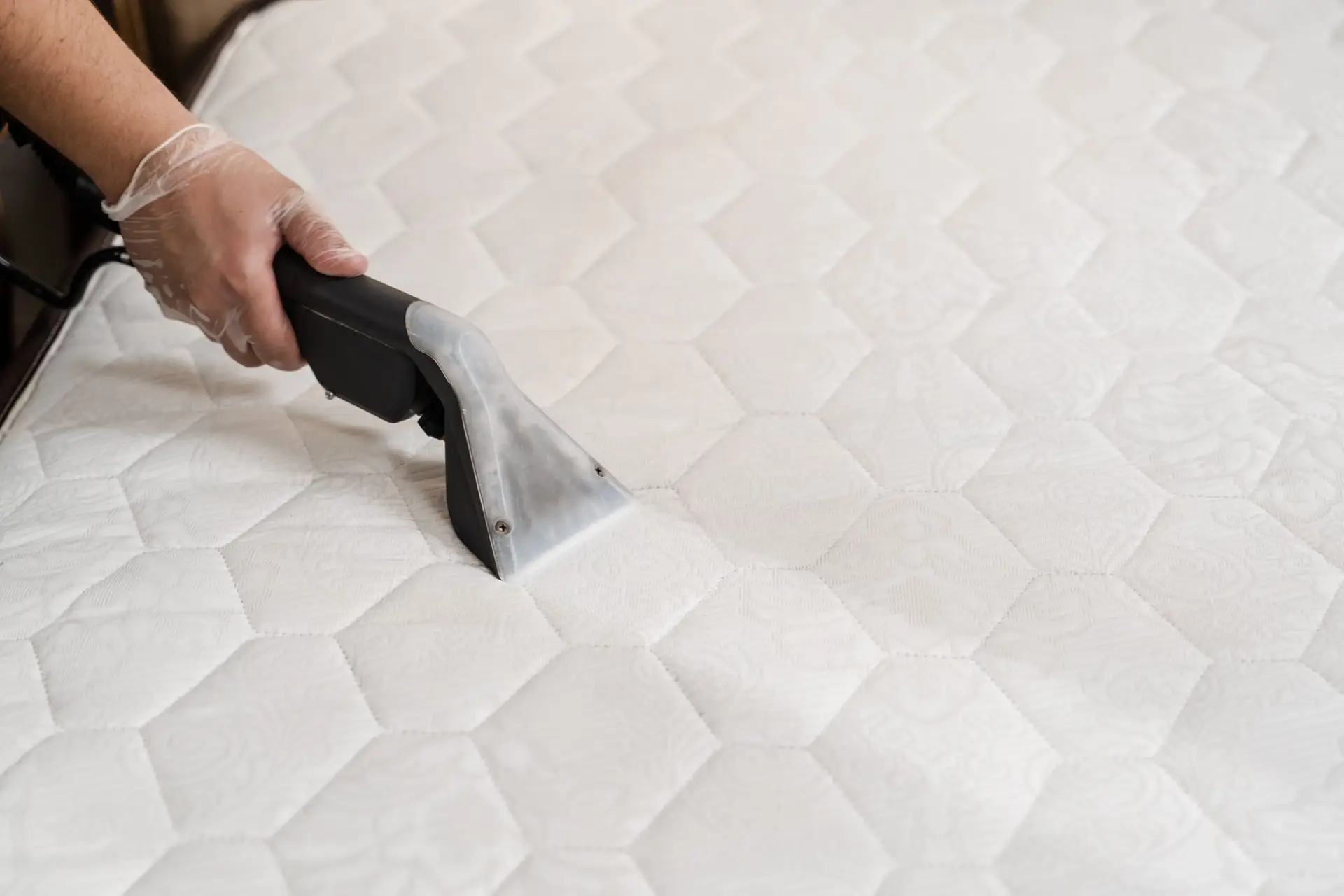
Dust mites are microscopic arachnids that do not bite, but their waste proteins are powerful airborne allergens. They gravitate toward cozy, high-friction environments where skin flakes accumulate. Your mattress, pillows, and heavy comforters are prime breeding grounds, alongside wall-to-wall carpeting and upholstered bedroom benches.
Bedroom Cleaning Habits That Help Reduce Dust Mites
Wash Bedding Weekly
Vacuum Floors and Fabric Surfaces
Dust Top to Bottom
Reduce Clutter That Collects Dust
- Wash Bedding in Hot Water Weekly: Sheets, pillowcases, and blankets should be washed weekly in water heated to at least 130°F (54°C) to effectively neutralize dust mites.
- Vacuum Regularly: Frequent vacuuming captures loose dust and dander before mites can feed on them—for best practices on frequency, check our guide on How Often Should You Vacuum Carpet.
- Dust Top to Bottom: Always clean high surfaces first so falling particles are captured during your final floor vacuuming.
- Minimize Clutter: Piles of books, decorative pillows, and unwashed stuffed animals serve as major dust collectors.
What Products and Tools Help Most?
HEPA Vacuuming
Microfiber Cloths
Washable Bedding Covers
Investing in the right cleaning tools makes allergen control much more efficient. A vacuum equipped with a HEPA (High-Efficiency Particulate Air) filter traps 99.97% of microscopic particles, preventing dust mites and their waste from blowing back out through the vacuum exhaust. Furthermore, switching from traditional feather dusters to damp microfiber cloths ensures dust is trapped rather than launched back into the air—explore more techniques in our guide on the Best Way to Remove Dust From Your Home.
When Professional Cleaning Helps With Allergens
Health note: avoid promising medical results; focus on cleaning habits.
Local angle: mention seasonal pollen and indoor dust in Massachusetts homes.
Managing indoor allergens can be especially challenging during transitional seasons in Massachusetts homes, when tightly sealed windows trap winter dust indoors while spring and autumn pollens easily drift inside. Establishing a reliable cleaning cadence helps keep airborne irritants under control. To maintain a consistently pristine environment, integrate your bedroom care into a structured routine like the one outlined in our Daily, Weekly, Monthly Cleaning Schedule in Essex County, MA. While proper cleaning habits significantly reduce dust mite populations and improve overall indoor air quality, they should be viewed as part of a clean home maintenance plan rather than a medical cure.
FAQ
What kills dust mites naturally?
Washing fabrics in hot water (above 130°F) or drying them on a high-heat cycle for at least 15 minutes is the most effective natural method to kill dust mites. Sunshine and UV exposure can also help disinfect items that cannot be washed.
Does vacuuming reduce dust mites?
Yes, provided your vacuum uses a sealed HEPA filter. Standard vacuums without HEPA filtration can inadvertently suck up dust mites and blast their waste particles back out into the air.
How often should bedrooms be cleaned for allergies?
Bedrooms prone to heavy dust or allergy triggers should be thoroughly cleaned weekly—including washing bedding, wiping hard surfaces with microfiber, and vacuuming both floors and upholstered items.