Best Way to Clean a Stove Without Damaging It
Cleaning a stove is a routine task that, if done incorrectly, can leave permanent scratches or chemical damage. The key to maintaining a beautiful and functional stove is using the right technique for your specific appliance.
Why Stove Cleaning Depends on the Type of Stove
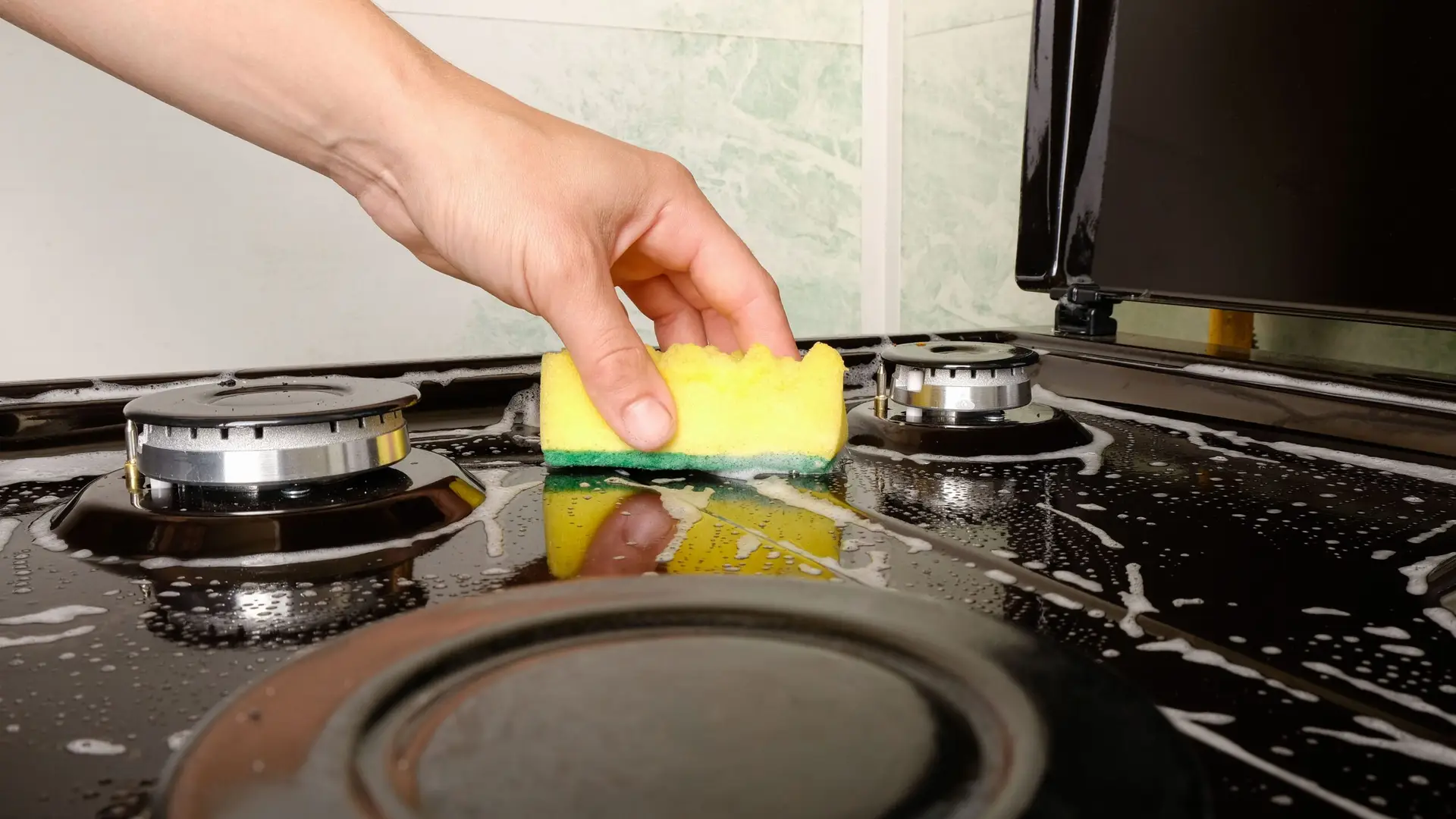
Not all stoves are built the same. Glass tops are susceptible to scratching and chemical etching, stainless steel shows streaks easily, and gas stoves have intricate burner components that require careful handling. Using a “one-size-fits-all” approach often leads to unintended damage.
Best Way to Clean a Glass Stove Top
- Cool Down: Ensure the surface is completely cool before applying any liquid.
- Apply Cleaner: Use a dedicated glass cooktop cleaner or a paste of baking soda and water.
- Gentle Wipe: Use a microfiber cloth to wipe the surface in circular motions.
- Scrape: Use a razor-edge glass scraper (held at a 45-degree angle) for burnt-on spots, but be extremely careful to avoid gouging.
Best Way to Clean a Gas Stove
Cleaning grates
Soak cast iron grates in hot, soapy water with a splash of vinegar. If they are dishwasher-safe, you can run them through a cycle, provided they are not overly greasy.
Cleaning burners
Remove the burner caps and heads. Clear any clogs in the ports using a needle or paperclip. Scrub gently with a soft nylon brush and soapy water, then air-dry completely before reassembling.
Removing grease around knobs
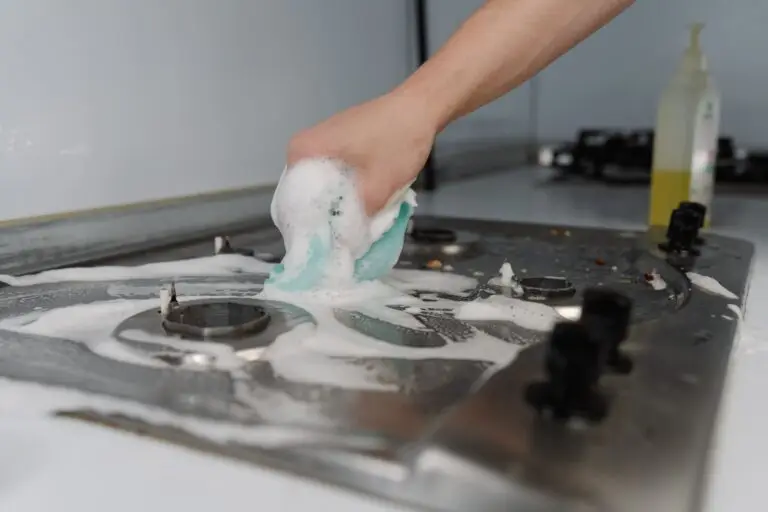
Use a toothbrush dipped in a mixture of dish soap and a little water. Wipe away residue with a damp cloth. Never spray cleaner directly onto the knobs to avoid liquid seeping into the internal electronics.
Best Way to Clean a Stainless Steel Stove
Always wipe with the grain of the stainless steel. Use a specialized stainless steel cleaner or a mix of mild dish soap and water. For a streak-free finish, buff the surface dry with a clean, dry microfiber cloth. A tiny drop of mineral oil can be used to polish it to a shine.
How to Remove Burnt-On Food and Grease
For stubborn messes, steam cleaning is best. Place a hot, wet towel over the area for 15 minutes. The moisture will rehydrate the burnt food, allowing you to lift it off easily without harsh scrubbing.
Natural Stove Cleaning Methods
- Baking Soda: Acts as a gentle abrasive to lift debris without scratching.
- White Vinegar: Breaks down grease and adds a streak-free shine.
- Lemon Juice: Can help cut through grease and leaves a pleasant, clean scent.
Cleaning Products to Avoid on Stove Tops
- Oven Cleaner: Highly caustic and causes chemical burns on most finishes.
- Steel Wool: Will permanently scratch glass and stainless steel.
- Bleach: Can discolor stainless steel and ruin enamel.
- Hard/Abrasive Scouring Pads: Will create micro-scratches that attract grease over time.
How Often Should You Clean Your Stove?
- Daily: Quick wipe down after cooking to prevent grease buildup.
- Weekly: A thorough cleaning of the surface and burner grates.
- Monthly: A deep clean including burner heads and hard-to-reach areas.
When Deep Kitchen Cleaning Is Worth It
If you are moving, preparing for a party, or dealing with a layer of hardened grease that has accumulated over months, professional deep kitchen cleaning is worth it. Pros have the right equipment to dissolve heavy grime safely, protecting your appliance investment.
FAQ
What is the best way to clean a stove?
The best way is to clean as you go—wiping up spills immediately—and using a mixture of mild dish soap and water for regular maintenance.
How do you clean a greasy stove top?
Use a grease-cutting dish soap in warm water. For heavier buildup, apply a baking soda paste, let it sit, and wipe clean.
Can baking soda clean a stove?
Yes, it is excellent as a non-scratch, mild abrasive for both glass and metal surfaces.
How do you clean burnt food off a stove?
Rehydrate the food using a hot, damp cloth for 15 minutes, then gently scrape it off with a plastic scraper.
What should you not use on a glass stove top?
Never use steel wool, abrasive scouring pads, oven cleaners, or any acidic cleaners that could etch the glass.