Cleaning Products You Should Never Mix
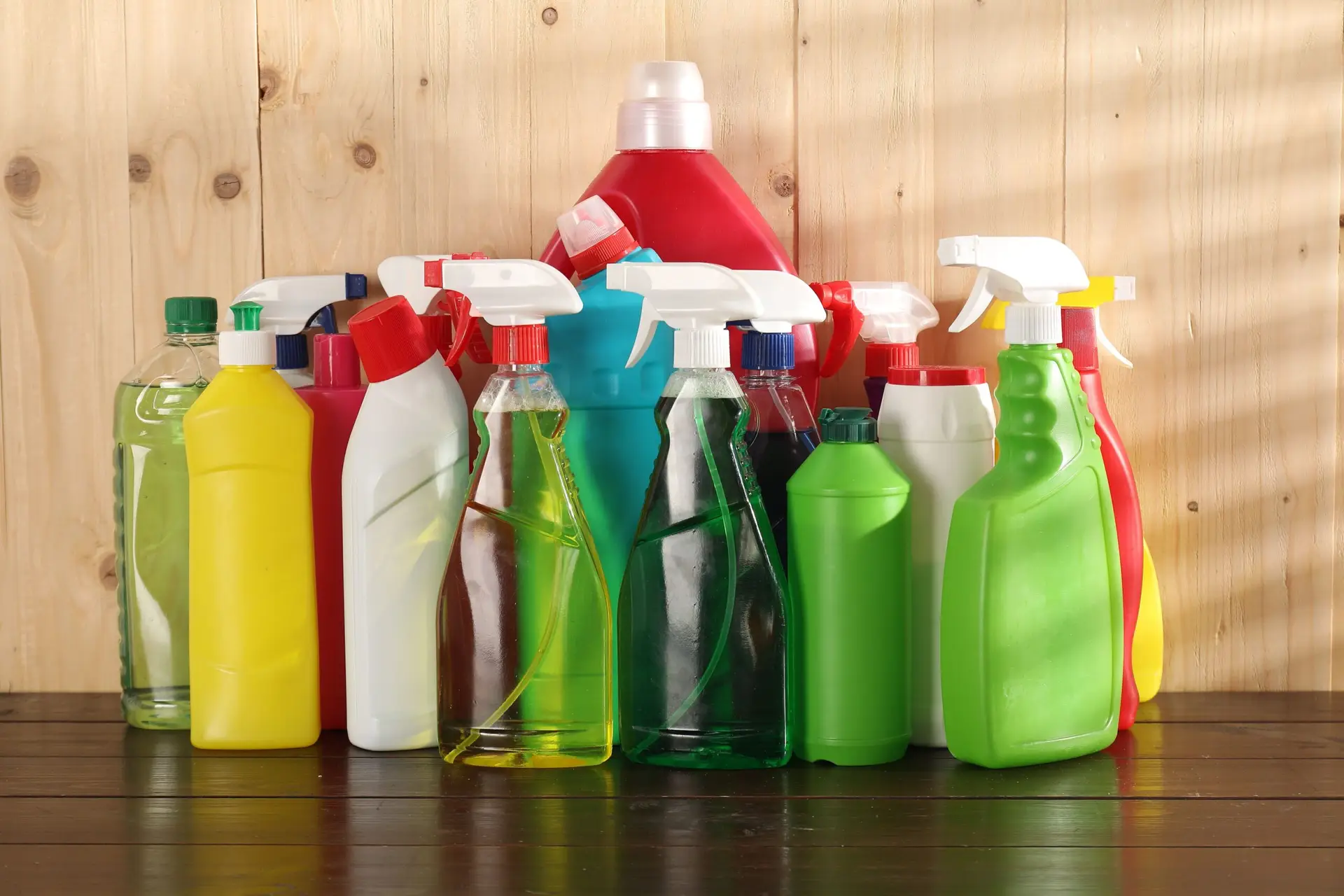
It’s tempting to believe that “more is better” when it comes to cleaning—that combining products will create a “super cleaner.” In reality, this is one of the most common and dangerous mistakes in home maintenance. Chemical reactions can produce toxic gases, corrosive acids, or even explosive compounds in a matter of seconds.
At Harmony Cleaning, safety is our primary pillar. Our team is trained on strict chemical handling protocols because we know that the health of your home depends on using products exactly as they were designed.
Quick Answer: Cleaning Combinations to Avoid
Never mix anything with bleach. Beyond that, never mix bleach with ammonia, bleach with vinegar, or hydrogen peroxide with vinegar. If you aren’t sure if two products are compatible, do not mix them. Stick to using one product at a time, and always rinse surfaces thoroughly with water before switching to a new cleaner.
Why Mixing Cleaning Products Is Dangerous
Household cleaners are formulated with specific chemical balances. When you introduce a second cleaner, you are performing an uncontrolled chemical experiment in your kitchen or bathroom. Reactions often produce:
- Toxic Gases: Such as chlorine or chloramine gas, which can damage the lungs.
- Corrosive Acids: Which can permanently damage surfaces like granite, stainless steel, or porcelain.
- Flammable Compounds: Which can pose a significant fire risk in a confined space like a cabinet or small bathroom.
Products You Should Never Mix
Bleach and Ammonia
Result: Toxic Chloramine Gas. This is one of the most common and dangerous household accidents. It causes immediate respiratory distress, chest pain, and severe irritation to the eyes and throat.
Bleach and Vinegar
Result: Toxic Chlorine Gas. This combination creates a dangerous gas that, even in small amounts, can cause coughing, breathing difficulties, and watery eyes. In higher concentrations, it can be fatal.
Hydrogen Peroxide and Vinegar
Result: Peracetic Acid. While both are individually good cleaners, mixing them in a single container creates peracetic acid, which is highly corrosive and can irritate the skin, eyes, and respiratory system.
Drain Cleaners with Other Chemicals
Result: Explosive/Corrosive Reaction. Drain cleaners are powerful, specialized chemicals. Mixing them with other cleaners—or even different types of drain cleaners—can cause a violent reaction that can blow back out of the drain, splashing dangerous chemicals onto your skin.
Bleach and Rubbing Alcohol
Result: Chloroform. This is not just a myth—it is a chemical reality. This combination can lead to dizziness, nausea, and loss of consciousness.
Safer Ways to Clean Without Mixing
You don’t need a chemical cocktail to get a clean home.
- Use Water as a Rinse: If you must switch products, rinse the surface with plain water and dry it completely before applying the second product.
- Trust the Single-Product Method: If a cleaner says “de-greaser,” use it for grease. If it says “disinfectant,” use it for germs. Don’t try to make one product do the job of two.
- Embrace Natural Power: For 90% of daily chores, a mix of hot water and a mild dish soap is safer and surprisingly effective.
Reading Product Labels
Labels are legally required to list warnings and ingredients.
- Check the “Hazard” section: Look for phrases like “Do not mix with other products” or “Contains bleach/ammonia.”
- Follow Dwell Times: Often, people mix cleaners because the first one “didn’t work.” Usually, the problem is just that they didn’t leave it on long enough. Check the label for the required “dwell time.”
What to Do If You Accidentally Mix Cleaners
- Evacuate Immediately: Get yourself, your family, and your pets out of the room.
- Ventilate: Open windows and doors if it is safe to do so.
- Do Not Clean Up the Mix: Do not try to “clean up” the spill with more products.
- Seek Help: If you have inhaled fumes and feel dizzy, having trouble breathing, or have burning eyes, call emergency services (911) or your local Poison Control Center immediately.
Why Professionals Follow Safety Systems
Professional cleaners utilize Safety Data Sheets (SDS) for every product in their kit. We are trained to understand the chemical composition of our tools and to recognize potential hazards before they happen. When you hire professional cleaners, you are paying for both the labor and the peace of mind that comes from knowing your home is being cleaned with industry-standard safety practices.
FAQ
- What happens if you mix bleach and vinegar? It produces toxic chlorine gas, which is harmful to the respiratory system.
- Can you mix bleach and dish soap? No. Many dish soaps contain ammonia, which, when mixed with bleach, creates toxic chloramine gas.
- Is it safe to mix hydrogen peroxide and vinegar? No. It creates peracetic acid, which is highly corrosive and unsafe for household surfaces or human health.
- What should I do if I mixed cleaning products by accident? Leave the area immediately to get fresh air and call Poison Control if you feel unwell.
Safety first, shine always. At Harmony Cleaning, we take the guesswork out of home care. Book a professional, science-backed clean for your home today!